
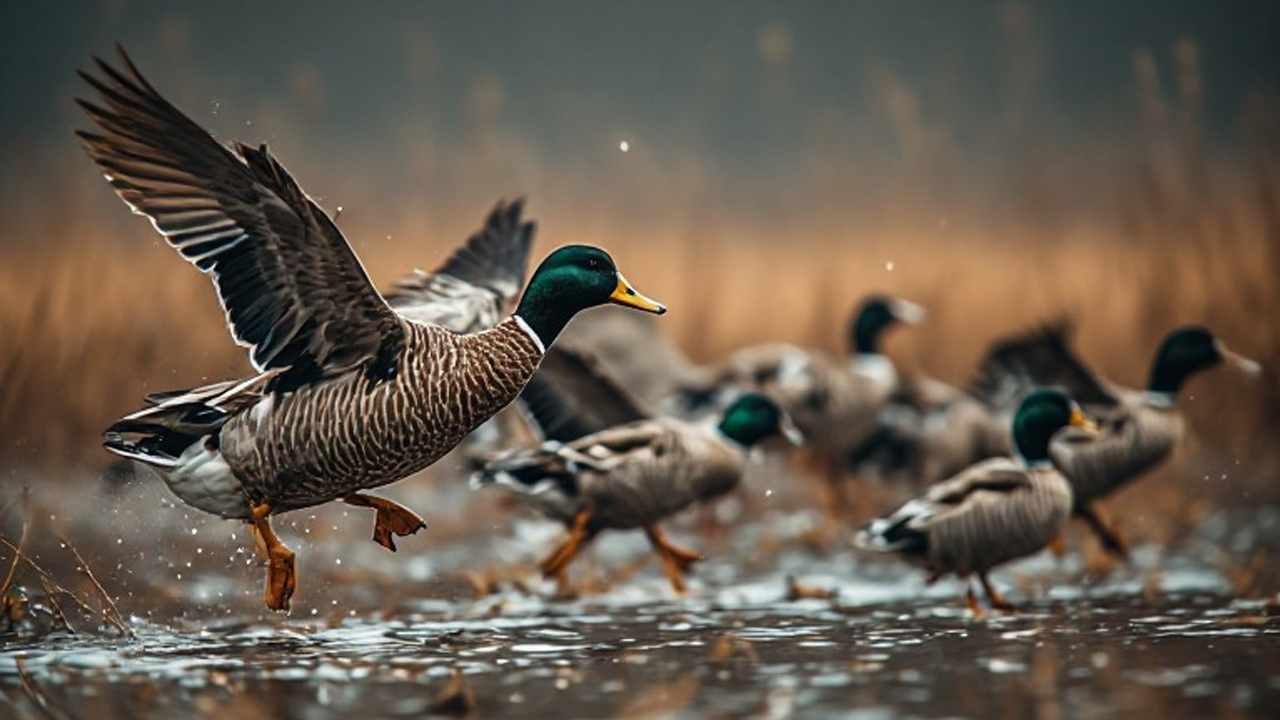
Canada Waterfowl Hunting Seasons 2026–2027: Full Provincial Migration & Dates
Canada’s 2026–2027 waterfowl hunting season opens province by province between September 1 and mid-October, and the short version is this: every hunter needs a federal Migratory Game Bird Hunting Permit with a Canadian Wildlife Habitat Conservation Stamp, daily duck limits run six birds per day across most provinces, eight on the prairies, and up to 25 for residents of Nunavut, and the season winds down for good in late January along the Atlantic coast. Environment and Climate Change Canada (ECCC) has already published the provincial summaries for the August 2026 to July 2027 hunting year, and the structure stays true to the familiar rhythm: prairie potholes fire first, the Great Lakes districts follow in late September, and the sea-duck flights along the Maritimes and Newfoundland hold out longest.
This guide lays out the complete 2026–2027 open dates for all ten provinces and three territories, the district-by-district zone systems that actually control when you can hunt, daily bag and possession limits, plus a practical migration calendar so you know when the birds — not just when the regs — put you in the right place. I’ve also flagged the rule changes quietly rolling into this season, because a few of them caught even seasoned waterfowlers off guard.
Full honesty before we dig in: my first prairie duck hunt ended with three mallards, one lost shell pouch, and a lifelong respect for wind direction. Seasons are data, but migration is weather — so treat the calendar below as your planning backbone and the live migration reports as your trigger finger. Either way, the tables here give you the legal foundation for a legal hunt, from Yukon field edges to Fundy tide lines.
What Actually Changed for the 2026–2027 Hunting Year
Regulatory tweaks rarely make headlines, but this season carries a few worth knowing before you buy shells:
- Atlantic goose adjustments: SOR/2026-118, published in the Canada Gazette in July 2026, refined goose open-season windows in Nova Scotia and surrounding areas for both 2026–2027 and 2027–2028. Zone-specific shifts are small but real — check your zone before picking your week.
- Spring snow goose season under review: ECCC is consulting on shortening the spring conservation season for snow and Ross’s geese to April 1–April 30 and trimming the combined daily bag from 20 to 12 birds, aimed at the 2027–2028 season. This year’s spring framework largely holds, but the direction of travel is clear.
- Prairie early-goose consultations: Proposed changes for early Canada goose seasons in Saskatchewan, Manitoba, and Alberta are moving through the consultation pipeline, with closures aligned to the existing duck-season end dates.
None of this reshapes the core 2026–2027 calendar, but it explains why your buddy’s “last year’s dates” might be off by a day or two.
The Federal Paperwork: What You Need Before Legal Light
Waterfowl is the one hunting category in Canada where the federal government sets the seasons and the permits, not the province. Four items cover almost every legal requirement:
- Migratory Game Bird Hunting (MGBH) Permit — issued by ECCC, valid in every province and territory, available through the federal e-permitting system.
- Canadian Wildlife Habitat Conservation Stamp — purchased with the permit; the proceeds fund wetland habitat work.
- Provincial hunting licence — most provinces and territories add their own licence and/or firearms requirements on top of the federal permit (for example, Saskatchewan’s Game Bird Licence and Wildlife Habitat Certificate).
- Non-toxic shot only — lead shot is prohibited while hunting migratory game birds (other than woodcock) across Canada, and inside National Wildlife Areas it’s banned for all hunting.
Youth hunters under 18 can get the Youth MGBH Permit free of charge (including the stamp) through the e-permitting system, hunt under a mentor who holds a permit, and carry their own bag and possession limits.
Canada Waterfowl Migration Calendar 2026–2027, By Flyway
Migration moves on weather, not wall calendars, but the windows below are remarkably consistent year over year. This is the timing table most other articles skip — it’s the difference between shooting at ducks and shooting with the migration.
| Flyway | Provinces covered | Early movers (Sep) | Peak push (Oct–Nov) | Late-season action (Dec–Jan) |
|---|---|---|---|---|
| Pacific | BC, Yukon | Blue-winged teal, wigeon | Mallards and Canada geese peak late Oct | Sea ducks on the coast; interior winds down |
| Central | AB, SK, MB | Pintails, gadwall, teal | Prairie mallard exodus mid-Oct to early Nov | Light geese linger; frozen sloughs end it |
| Mississippi | ON west of the Shield, QC | Wood ducks, teal | Mallards and divers early Nov | Lake Ontario divers, late mallards |
| Atlantic | QC east, NB, NS, PEI, NL | Wood ducks, early geese | Black ducks and mallards mid-Nov to early Dec | Scoters and eiders; longest-running season |
The classic trigger sequence repeats every fall: a hard frost on the prairies pushes the first big mallard wave south, cold rain on the Great Lakes stacks divers on the big water, and the first serious Atlantic ice sheet moves the black ducks. For live conditions through the season, keep an eye on Ducks Unlimited’s interactive waterfowl migration map, which hunters update with real-time concentration reports.
Provincial & Territorial Season Breakdown (All 13)
⚠️ Zone-date confirmation note: ECCC publishes the official zone-by-zone summaries for the 2026–2027 hunting year in the Environment and Climate Change Canada provincial summaries. Dates below marked —typical— follow the published 2025–26 structure and the 2026–27 framework; confirm your exact zone window before booking travel or lodging.
Alberta
Alberta splits waterfowl hunting between northern and southern zones, with the north opening earliest.
| Zone | Species | 2026–27 open window | Daily bag | Possession |
|---|---|---|---|---|
| Northern zone | Ducks and geese | Sept 1 – mid-Dec (typical) | 8 ducks | 3× daily |
| Southern zone | Ducks | early Sept – mid-Dec (typical) | 8 ducks | 3× daily |
| All zones | Light geese (snow/Ross’s) | fall window + spring conservation season (typical) | — | — |
Most Alberta duck pressure lands in the first three weeks of the season, when local birds mix with the first arrivals from the northern boreal fringe.
British Columbia
BC’s four climate zones — Coastal, Interior, Northern, and the Kootenay/Okanagan block — stagger their openers dramatically, with the coast intentionally starting late to protect staging birds.
| Zone | Species | 2026–27 open window | Daily bag | Notes |
|---|---|---|---|---|
| Coastal | Ducks | mid-Oct opener (typical) | 8 (max 4 mallards) | Sea-duck hunting later peak |
| Interior | Ducks, Canada geese | early Sept (typical) | 8 ducks | Fast-moving cold fronts |
| Northern | Ducks, geese | Sept 1 (typical) | 8 ducks | Shortest windows |
Manitoba
| Zone | Species | 2026–27 open window | Daily bag | Possession |
|---|---|---|---|---|
| Statewide (zones by district) | Ducks | Sept 1 – mid-Dec (typical) | 8 ducks | 24 |
| Statewide | Canada geese | early Sept – Dec (typical, zone-dependent) | 8 | — |
| Statewide | Light geese | fall + spring conservation (typical) | — | — |
New Brunswick
New Brunswick’s two zones gave us the clearest published structure this cycle, and the 2026–27 framework tracks it closely.
| Zone | Species | 2026–27 open window | Daily bag | Possession |
|---|---|---|---|---|
| Zone 1 | Ducks (other than mergansers, sea ducks) | Oct 15 – Jan 29 | 6 (max 1 Barrow’s Goldeneye) | 18 |
| Zone 1 | Sea ducks (scoters, eiders, long-tailed) | Oct 15 – Jan 5; Feb 1 – 24 | 6 | 12 |
| Zone 1 | All geese | Sept 1 – 15; Oct 15 – Jan 14 | 5 + 5 extra Canada/Cackling | 20 |
| Zone 2 | Ducks | Oct 1 – Jan 15 | 6 | 18 |
| Zone 2 | All geese | Sept 1 – 15; Oct 1 – Dec 31 | 5 + 5 extra | 20 |
Notable: eiders are only huntable Nov 2–Dec 31 in Zone 1, and the merged sea-duck group has strict species sub-limits.
Newfoundland and Labrador
The island’s coastal zones, inland zone, and four Labrador regions each carry their own windows; the bag limits below are the published values.
| Region | Species | Open window | Daily bag | Possession |
|---|---|---|---|---|
| Coastal & inland zones | Ducks | late Sept – Dec, by zone (typical) | 6 (max 1 Barrow’s Goldeneye) | 18 |
| All zones | All geese | Sept – Nov, by zone (typical) | 5 | — |
| Coastal zones | Sea ducks | Oct – Dec (typical) | 6 | — |
With bird densities that peak late on the island, Newfoundland hunts run deeper into December than most of the country.
Nova Scotia
| Zone | Species | 2026–27 open window | Daily bag | Possession |
|---|---|---|---|---|
| Zone 1 (mainland) | Ducks | Oct 1 – Jan 15 (typical) | 6 | 18 |
| Zone 2 (Cape Breton) | Ducks | mid-Oct – Jan (typical) | 6 | 18 |
| All zones | Canada geese | early Sept + regular window | 5 | — |
The SOR/2026-118 amendments touched Nova Scotia goose dates specifically — confirm the early-goose window against the official summary.
Ontario
Ontario’s four districts (Hudson–James Bay, Northern, Central, Southern) are the most complex structure in Canada, with wildlife management unit (WMU) sub-limits on geese in the south.
| District | Species | 2026–27 open window | Daily bag | Possession |
|---|---|---|---|---|
| Hudson–James Bay | Ducks | Sept 1 – mid-Dec (typical) | 6 | 18 |
| Hudson–James Bay | Canada/Cackling geese | Sept 1 – Dec 16 | 5 | No limit |
| Hudson–James Bay | Snow/Ross’s geese | Sept 1 – Dec 16 | 50 | No limit |
| Northern | Canada/Cackling geese | Sept 1 – 9, then Sept 10 – Dec 16 | 10 or 5 (by WMU) | No limit |
| Central | Canada/Cackling geese | Sept 1 – 19, then Sept 20 – Dec 16 | 10 or 5 (by WMU) | No limit |
| Southern | Ducks | Sept 26 – Dec 30 | 6 | 18 |
| Southern | Canada/Cackling geese | Sept 4 – 14; Sept 27 – Dec 31 (Jan 10 in non-Sunday municipalities) | 10 or 8 (by WMU) | No limit |
| Southern | Snow/Ross’s geese | Sept 27 – Jan 11; Feb 28 – Mar 7 | 20 | No limit |
Southern Ontario’s February 28 – March 7 goose reopen is a genuinely useful late-season window most hunters forget. For WMU-level breakdowns, the Ontario hunting seasons page keeps the district rules in one place.
Prince Edward Island
| Zone | Species | 2026–27 open window | Daily bag | Possession |
|---|---|---|---|---|
| Province-wide | Ducks | early Oct – mid-Jan (typical) | 6 (max 1 Barrow’s Goldeneye) | 18 |
| Province-wide | Geese | early Sept + Oct – Dec (typical) | 5 | — |
PEI’s small footprint means fields rotate fast; early-season goose hunting around the Northumberland Strait is where the action concentrates.
Quebec
Quebec’s numbered zones (1–7) run from the populated south to the northern taiga, with staggered openers that spread the season across three months.
| Zone | Species | 2026–27 open window | Daily bag | Notes |
|---|---|---|---|---|
| Southern zones | Ducks | late Sept – Dec (typical) | 6 | Heaviest goose pressure |
| Northern zones (5–7) | Ducks, geese | mid-Sept start (typical) | 6 | Short, intense windows |
| All zones | Canada geese | Sept – Oct staggered (typical) | 5 | Special harvest periods apply |
| All zones | Snow geese | fall + spring conservation season | — | Spring window is the draw |
Saskatchewan
The prairie province everyone books a flight for — and the one with the most hunter-friendly numbers in the country.
| Zone | Species | 2026–27 open window | Daily bag | Possession |
|---|---|---|---|---|
| All zones | Ducks | Sept 1 – Dec 16 | 8 ducks | 24 |
| All zones | Canada geese | Sept 1 – mid-Dec (typical) | 8 | — |
| All zones | Snow/Ross’s geese | fall + spring conservation season | — | — |
Add the Saskatchewan Game Bird Licence and Wildlife Habitat Certificate to the federal permit, and you’re legal field to field. If you’re weighing an outfitter trip, the Saskatchewan hunting seasons overview covers the local ground rules you’ll want before you book.
Northwest Territories
| Zone | Species | 2026–27 open window | Daily bag | Possession |
|---|---|---|---|---|
| Northern zones | Ducks, geese | Sept 1 – Nov/Dec, by zone (typical) | 8 ducks | — |
| Southern zones | Ducks, geese | Sept 1 – mid-Dec (typical) | 8 ducks | — |
The NWT is expedition hunting — logistics override date math, so plan around road access and ice-up dates.
Nunavut
Nunavut is the outlier: general open seasons are limited and region-specific, and most harvest happens under land-claim and community-based provisions. Where open seasons apply, the published limits are generous.
| Region | Species | Open window | Daily bag (residents / non-residents) |
|---|---|---|---|
| Most of Nunavut | All ducks | Region-specific | 25 / 8 |
| Most of Nunavut | Geese (Canada, cackling, white-fronted, brant) | Region-specific | 15 / 5 |
| James Bay (south of 55°N) | Ducks | Region-specific | Lower, area-specific limits |
Yukon
| Zone | Species | 2026–27 open window | Daily bag | Notes |
|---|---|---|---|---|
| Territory-wide | Ducks | Sept 1 – late Oct (typical) | 8 ducks | Fast freeze-up |
| Territory-wide | Canada geese | Sept – mid-Oct (typical) | 8 | Early flights are the best |
Yukon’s waterfowl season is a sprint, not a marathon — the window between opener and hard freeze is often under six weeks.
Daily Bag & Possession Limits Cheat Sheet
| Province/Territory | Ducks per day | Geese per day | Possession rule |
|---|---|---|---|
| Alberta | 8 | 8 (typical) | 3× daily |
| British Columbia | 8 (max 4 mallards) | — | 3× daily |
| Manitoba | 8 | 8 (typical) | 3× daily |
| Saskatchewan | 8 | 8 | 24 ducks |
| Ontario | 6 | 5–10 (by district/WMU) | 18 ducks; geese no limit |
| Quebec | 6 | 5 | 3× daily |
| New Brunswick | 6 | 5 (+5 extra Canada in early season) | 18 ducks / 20 geese |
| Nova Scotia | 6 | 5 | 18 ducks |
| PEI | 6 | 5 | 18 ducks |
| Newfoundland & Labrador | 6 | 5 | 18 ducks |
| NWT | 8 | — | 3× daily |
| Yukon | 8 | 8 (typical) | 3× daily |
| Nunavut | 25 (res.) / 8 (non-res.) | 15 (res.) / 5 (non-res.) | Region-specific |
Across the Atlantic provinces, the daily duck bag includes a maximum of one Barrow’s Goldeneye, and there is no open season for Harlequin Ducks anywhere.
The Rules That Get Hunters Fined (Not the Birds)
Quick legal checklist that applies coast to coast:
- Legal shooting hours: one-half hour before sunrise to one-half hour after sunset — sharp.
- Magazine plug: shotguns must be plugged to hold no more than three shells.
- Electronic calls: prohibited for ducks and geese in most of Canada; only the spring snow goose conservation season allows them.
- Live decoys and baiting: both prohibited on migratory birds.
- Species at risk: Barrow’s Goldeneye capped at one per day; Harlequin Duck fully closed.
- Bands: report any banded bird at 1-800-327-BAND (2263) — the data feeds the very population models that set these seasons.
Frequently Asked Questions
When does duck season open in Canada in 2026–2027?
Saskatchewan, Manitoba, and the northern districts of Ontario open September 1, with most other provinces following between mid-September and mid-October. Coastal British Columbia opens last, typically mid-October.
What is the daily bag limit for ducks in Canada?
Eight ducks per day on the prairies and in BC, six per day across most of central and eastern Canada, and up to 25 for residents hunting in Nunavut (8 for non-residents). Species sub-limits — like the four-mallard cap in BC — apply on top.
Do I need a federal permit to hunt waterfowl in Canada?
Yes. The Migratory Game Bird Hunting Permit plus the Canadian Wildlife Habitat Conservation Stamp are mandatory everywhere, and most provinces add their own licence. The federal permit is valid across all 13 provinces and territories.
Which provinces have the longest waterfowl seasons?
New Brunswick (Zone 2) and Nova Scotia run ducks from October into mid-to-late January, while Ontario’s snow goose windows extend into March — the longest combined spread in the country.
When is the snow goose spring conservation season?
Spring conservation hunts vary by province but typically run mid-March through mid-June in the prairies and through late spring in Ontario and Quebec. Note the 2027–2028 proposal that would shorten it to April 1–30 with a 12-bird daily cap.
Can non-residents hunt waterfowl in Canada?
Yes — non-residents need the same federal permit and a provincial licence, and can often hunt with a licensed outfitter or guide. Nunavut applies substantially lower bag limits to non-residents (8 ducks and 5 geese per day).
Conclusion
Lock in your federal permit and stamp now, circle your district’s opener from the tables above, and let the migration map do the rest of the talking. The 2026–2027 waterfowl year is shaping up to be one of the most predictable schedules in recent memory — the only variable left is the weather, and that’s a problem you solve from the edge of a field at legal light.

- Canada Hunting Youth Regulations 2026–2027: Age Requirements, Licences & Hunter Rules by Province - October 10, 2026
- Where to Hunt in Canada: Provinces, Species & Planning Guide - October 10, 2026
- Hunting Tags in Canada: Validation, Attachment and Transport Rules Every Hunter Must Know - October 5, 2026