
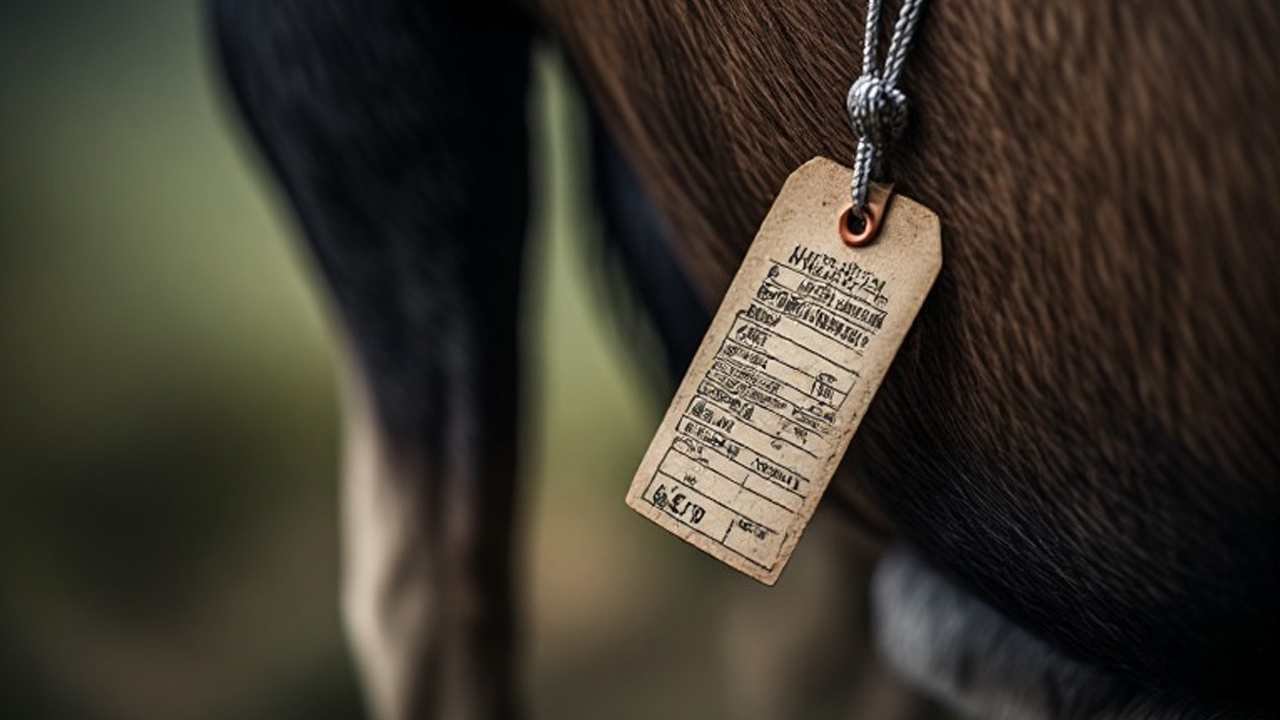
Hunting Tags in Canada: Validation, Attachment and Transport Rules Every Hunter Must Know
In Canada, a hunting tag must be validated — notched or cancelled — immediately after the kill, attached to the carcass whenever you are not physically beside the animal, and kept with it in transit until the meat is cut and packaged for storage. Each province runs its own system. Ontario requires you to notch the day, month and time at the kill site before the animal is moved. British Columbia hunters cancel their species licence on the spot. Quebec uses a numbered transportation coupon written on the animal in indelible ink. Miss any of these steps and you risk charges, a seized animal, or a suspended licence.
Seasoned hunters can lose track of this at the worst possible moment — a bull down at dusk, half an hour of daylight left, and suddenly the paperwork matters more than the shot. That is exactly when mistakes happen. The rules are not complicated, but they are unforgiving, and they change at the provincial border. This guide walks through every stage in order: what a tag actually is, how to validate it, where it goes on the animal, and how to move a harvest home without giving a conservation officer a reason to write anyone up.
What Exactly Is a Hunting Tag in Canada?
Canada has no single national permit system. Each province and territory controls its own licensing, which is why the vocabulary shifts as you cross borders. Getting these terms straight matters, because officers do not treat them as interchangeable.
| Term | What It Means | Example Jurisdiction |
|---|---|---|
| Licence | Authorizes the hunter to hunt at all | Every province |
| Tag or seal | Authorizes and identifies one specific harvest | Ontario, Saskatchewan, Alberta draws |
| Species licence | Separate paper permit for a specific game species | British Columbia |
| Transportation coupon | Numbered slip recorded on the harvested carcass | Quebec |
| Validation / notching | Marking the permit void the moment game is taken | Ontario, B.C. |
| Harvest report | Mandatory post-season filing for some species | B.C. moose and caribou |
Three quick principles cover most situations:
- A tag belongs to one animal. Harvesting a second one requires a second authorization.
- Paper beats screens. Ontario, for instance, explicitly prohibits presenting a permit on a phone during an inspection.
- The licence authorizes the hunter; the tag identifies the kill. Officers check both.
If you are building your paperwork from scratch for the season, the walkthrough of Canadian hunting tag and seal requirements pairs well with the province-by-province breakdown of how to get a Canadian hunting licence. For the exact legal wording, the Ontario hunting regulations summary on tags and the B.C. species licence page are the two official references I keep bookmarked.
Validation: Notching or Cancelling Without Errors
Validation is the act of marking your authorization as used, the moment game is down. Do it before anything else — before photos, before field dressing, before texting the truck.
Follow this sequence every time:
- Confirm the animal is dead and safe to approach.
- Match it against your paperwork — species, sex, age class, and the wildlife management zone on the permit.
- Notch or cancel immediately at the kill site. In Ontario this means the day, month and time, before the animal is moved. In British Columbia you notch the species licence to cancel it as soon as you harvest the animal.
- Record the location where the animal was taken, in case a report or registration is required later.
- Attach the tag if you will be separated from the carcass (details below).
- File any mandatory harvest report by the stated deadline — skipping this is one of the most common offences on the books.
Province-level validation rules differ more than most hunters expect:
| Province | How Validation Works | Key Deadline or Quirk |
|---|---|---|
| Ontario | Notch day, month and time on the paper permit | Done at the kill site, before the animal moves |
| British Columbia | Notch the species licence to cancel it | Carry both cancelled and uncancelled licences all season |
| Alberta | Mark the animal as soon as the kill happens | Draw licences: primary holder must carry the seal |
| Quebec | Write the coupon’s unique number on the carcass in indelible ink | Registration station visit required for moose and deer |
| Manitoba | Cut out the game tag and secure it to the big game animal | Attached immediately upon reaching your vehicle or transport |
| Saskatchewan | Seal attached to harvested big game | Confirm the exact steps in the current Hunters’ Guide |
| Elsewhere | Systems vary by stamp, sticker or report | Always check that province’s current annual guide |
Two validation warnings worth repeating. First, cut only the required sections — if you accidentally notch the wrong spaces, report it and request a replacement rather than “fixing” it with a pen. Second, never notch in advance “just in case.” A pre-validated authorization can cost you a legal harvest later in the trip.
Where and How to Attach a Tag to Harvested Game
Attachment rules answer one question: can an officer inspect the animal without the hunter standing next to it? If the answer is no, the tag goes on the carcass.
Ontario’s rule is the clearest example, and other provinces follow the same logic. You are exempt from attaching only while you are immediately accompanying the animal or can produce the paperwork on the spot. The moment you are not — trucking the animal in one vehicle while you ride in another, leaving it at camp, or dropping it at a butcher — the tag must be attached and clearly visible. When in doubt, attach it.
Species-specific placement matters just as much as timing. Here is Ontario’s official placement summary, which illustrates how detailed these requirements get:
| Species | Tag Placement | Identifying Features That Must Stay With the Carcass |
|---|---|---|
| White-tailed deer | Through the ear or on an antler | Head kept with the animal |
| Elk | Through the ear or on an antler | Head kept with the animal |
| Bull moose | One hind leg, with the scrotal sac attached to that leg | Evidence of sex on the tagged quarter |
| Cow moose | One hind leg, with the vulva attached to that leg | Evidence of sex on the tagged quarter |
| Moose calf | Lower jaw, left whole | Jaw kept with the animal |
| Black bear | Through the cartilage separating the nostrils | Sex evidence retained |
| Wild turkey | Lower part of a leg | — |
| Wolf / coyote | Through the nasal cartilage | — |
Field-tested attachment tips:
- Use a heavy zip tie or a dedicated holder, not a twist tie that freezes, snaps or falls off a bumpy quad trail.
- Keep the number readable and uncovered. Dirt, blood and a bunched hide have ruined more than one inspection.
- Protect your paperwork before the season starts. A resealable plastic bag costs nothing; a replacement costs a fee and, in some provinces, a trip to an office. Ontario charges $10.50 for reprints, and B.C. charges $10.
- Zip it to the animal, not to your pack. It needs to stay with the carcass through every handling.
Transport Rules: Moving Game Legally
Transport is where most tagging offences actually occur, because it is the stage with the most moving parts — vehicles, camps, butchers and provincial borders.
| Situation | What the Law Expects |
|---|---|
| You stay with the carcass at all times | Tag can stay in your pocket in Ontario, provided you can produce it immediately |
| Animal travels without you | It must be attached and visible on the carcass |
| Carcass is quartered before transport | Carry the permit holder’s details: name, licence number, kill date and location |
| Evidence of sex | Alberta forbids removing sex and species evidence until the carcass reaches a residence for processing or a licensed facility; the same principle applies to moose quarters in Ontario and Quebec |
| Moving someone else’s game (Alberta) | A signed bill of lading with licence number, animal description, route and date |
| Registration | Moose and deer in Quebec must pass a registration station; moose arrive whole or in identifiable quarters with the head or jaw |
| Exporting out of province | Quebec requires the coupon number and registration proof; black bear parts leaving Canada generally need a CITES permit |
Evidence-of-sex rules deserve their own checklist, because quartering game in the field destroys the proof an officer needs:
- Keep external reproductive organs naturally attached to at least one quarter, usually the tagged one.
- For antlered game, some jurisdictions require the skull plate or jaw to travel with the meat — Alberta, for example, requires the complete skull plate with a male elk carcass.
- Do not skin game early if your province forbids it before registration. Quebec is explicit: no skin or hoof removal before the harvest is registered.
- Tag removal happens only at the final processing point — your home or a commercial butcher — never at the truck.
Province-by-Province Quick Reference
For hunters who cross borders on multi-species trips, this condensed comparison covers the highest-traffic provinces. Where a row says “check the current guide,” the province publishes rules that change frequently enough that I would rather point you to the annual summary than paraphrase it from memory.
| Province | Document Carried | Validate By | Attach When | Registration or Report |
|---|---|---|---|---|
| Ontario | Paper tag (never digital) | Notch date/time at kill site | When separated from the animal | Species-specific harvest reporting |
| British Columbia | Species licence plus basic licence | Notch to cancel immediately | Follow current B.C. instructions | Mandatory report for moose and caribou |
| Alberta | Licence with attached seal for draws | Mark as soon as the kill | Seal stays on until processing | Bill of lading for others’ game |
| Quebec | Transportation coupon on licence | Unique number written in ink | Number must stay legible on animal | Station registration for moose, deer, bear, turkey |
| Manitoba | Cut-out game tag | Cut out after the kill | Secure immediately upon reaching transportation | Check current provincial guide |
| Saskatchewan | Draw and regular seals | Notch per current guide | Attach to harvested big game | Check current Hunters’ Guide |
| Nova Scotia | Deer hunting stamp system | Affix and sign per regulations | Per current summary of regulations | Check current summary of regulations |
Species timing matters here too. Tag rules interact with season dates, so line up your paperwork against the season calendar for your own province before opening day — the Alberta hunting seasons calendar is a good model of what to look for.
Common Violations That Cost Hunters Their Harvest
Conservation officers hear the same explanations every fall. These are the failures that actually end up as charges:
| Mistake | Why It Happens | Typical Consequence |
|---|---|---|
| Notching hours later, at camp | “We were still packing out” | Charges for failing to validate immediately |
| Permit left in the truck while the meat hauls in another vehicle | Splitting up the crew | Failing-to-attach offence |
| Wrong notch: day marked, time skipped | Hurry and bad light | Treated as an invalid validation |
| Evidence of sex discarded in the field | Quartering before the tag quarter was chosen | Unlawful possession of big game |
| Phone screenshot shown instead of paper | Modern habit, outdated paperwork | Refusal of inspection, possible charge |
| Skipping the mandatory harvest report | Forgot over the winter | Fines and, in some provinces, future draw ineligibility |
Lost, Damaged or Mis-Notched Tags
Losing paperwork mid-trip is fixable, but only through the official channel. Ontario requires replacements through ServiceOntario or a licence issuer, and the damaged original gets surrendered. British Columbia sends you to a FrontCounter BC office with your licence number; replacing a cancelled licence there means declaring the original’s date, region and antler details. The universal rule: never print, photocopy or reconstruct a replacement yourself. Duplicates are treated as fraud, not as an honest error.
Frequently Asked Questions
Do I have to attach my tag if I am dragging the animal out myself?
No, not in Ontario. While you are immediately accompanying the animal, the notched tag can stay in your pocket as long as you can produce it for inspection on request. The moment the animal moves without you — a partner drives it out, it sits at camp, or it goes to a butcher — the tag must be attached to the carcass.
Can I show a digital tag on my phone during an inspection?
No. Ontario requires tags to be carried in paper format and expressly rules out presenting them on an electronic device. Print your paperwork before the season and carry a weatherproof copy.
What happens if I notch my tag in the wrong spot or too early?
Cutting the wrong sections is still an offence in some provinces, even when it is accidental. Stop, note what happened, and contact the licensing office for a replacement rather than attempting to alter the document. Altering the document is treated far more seriously than damaging one.
Can I transport a deer or moose my hunting partner shot?
Rules differ. Alberta generally requires a signed bill of lading describing the licence, the animal, the route and the date when someone other than the licence holder moves the game. Other provinces require you to know the permit holder’s name, licence number, kill date and location if an officer asks. Carry that information in writing.
Do I need extra permits to take my harvest across a provincial border or out of Canada?
Within Canada, keeping your tag or coupon number with the animal plus proof of registration usually satisfies the provinces. Leaving the country is stricter: black bear parts, for example, typically require a CITES permit to exit Canada, and your destination may demand its own paperwork.
Is one tag valid for more than one animal?
No. Each permit covers a single animal of the species, sex and zone printed on it. Hunting a second one requires a second authorization, where the province offers one.

- Canada Hunting Youth Regulations 2026–2027: Age Requirements, Licences & Hunter Rules by Province - October 10, 2026
- Where to Hunt in Canada: Provinces, Species & Planning Guide - October 10, 2026
- Hunting Tags in Canada: Validation, Attachment and Transport Rules Every Hunter Must Know - October 5, 2026