
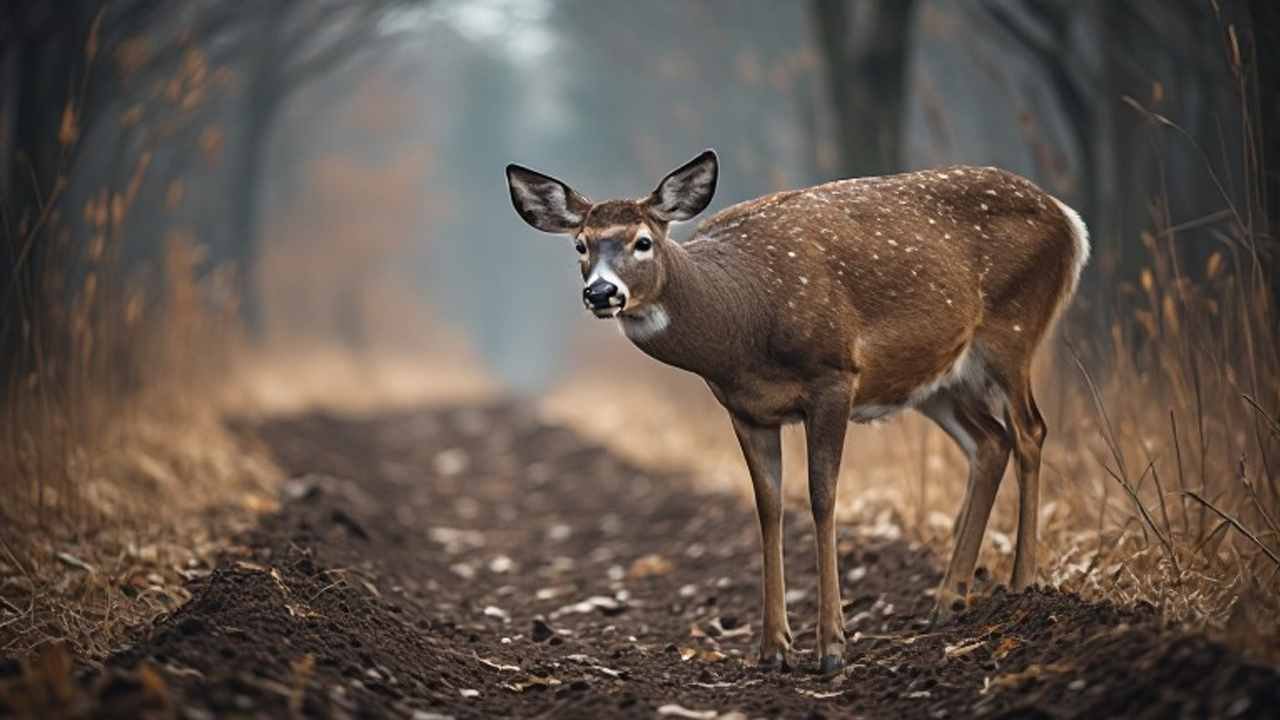
Early Season vs Late Season Deer Hunting: Weather Triggers and Rut Windows for 2026-2027
Early season hunting in Canada rewards scouting, patience, and reading September food sources, while late season hunting rewards weather-tracking discipline and cold-front timing. The Canadian rut runs on photoperiod — not the moon — with peak breeding arriving in early to mid-November from Ontario to Alberta, so the 2026-2027 playbook comes down to matching your sit to the rut phase in your zone and letting the weather, not habit, pick your hunt days.
Here’s something most hunters only learn after burning a few tags: the animals you watch in September behave like a completely different species in December. I’ve watched bucks that were nearly predictable in early October vanish for two weeks during peak breeding, then reappear on the same food source the day after the first real snow. That transformation — from lazy bachelor groups to nocturnal breeding machines to desperate winter survivors — is the entire story of early versus late season hunting in Canada. And in 2026-2027, that story matters more than ever, because forecasters expect a split fall across the country: warmer and drier on the Prairies, cooler with earlier snow in the East. Plan for both, and you’ll be covered either way.
The core question for every Canadian hunter mapping out the 2026-2027 season is straightforward: hunt early, when food and deer patterns are most predictable, or hunt late, when weather becomes your strongest ally? The practical answer is that you need both, but for different reasons. Early season offers forgiving temperatures and consistent movement between bedding and food. Late season offers the biggest bucks, because mature animals that survived the rut only move in daylight when snow and cold fronts force them to feed. Across all 13 provinces and territories, the biology is consistent: conception-date studies show the Canadian rut peaks in early to mid-November with almost no year-to-year variation, regardless of moon phase or temperature. What actually changes is the weather on either side of that window — and that weather decides whether you fill a tag or fill a story.
Early Season vs Late Season at a Glance
| Factor | Early Season (Sept – mid-Oct) | Peak Rut (Nov) | Late Season (Dec – Jan) |
|---|---|---|---|
| Deer movement trigger | Food, cover, low pressure | Hormones, doe estrus | Cold fronts, snow, hunger |
| Daylight activity | High, predictable | Chaotic but intense | Low unless weather hits |
| Buck behavior | Bachelor groups, summer patterns | Cruising, scraping, chasing, lockdown | Feeding heavily, nocturnal, rehab |
| Best time of day | Dawn and dusk | All day, especially midday | Last hour before dark |
| Weather that helps | Cool mornings, light NW wind | 10°C-plus temperature drops | Snowstorms, sub-zero cold snaps |
| Weather that hurts | Heat waves, 80°F afternoons | Unseasonably warm spells | Thaws, windless warm days |
| Ideal setup | Food edges, field corners | Travel corridors, doe bedding | Standing crops, winter food plots |
| Pressure level | Low | High | Highest — deer are educated |
| Tag risk | Low (deer predictable) | Moderate (unpredictable) | High (few daylight chances) |
| Maturity of harvestable bucks | Yearling-heavy | Mixed | Highest |
That table is the entire season in one glance, but the beauty of Canada is that no two provinces play out the same way. Latitude rules everything, so let’s look at the science first, then the calendar.
Hunters interested in upland birds should also check the provincial season dates and bag limits before planning a trip, and our guide to Canada Grouse & Ptarmigan Hunting Seasons provides a useful provincial reference.
The Photoperiod Science: Why the Canadian Rut Is So Reliable
Biologists agree on one point that surprises most hunters: weather doesn’t set the rut’s start date. A diminishing ratio of daylight to darkness triggers the hormonal cascade that drives breeding, which is why northern whitetails breed in early to mid-November every single year. Long-term conception-date studies across the northern United States and Canada — including the regional rut timing research from Vortex Optics — show these dates barely move, whether the fall is warm or cold Vortex Optics.
What weather does control is how much of that rutting activity you actually witness. A hard cold front can pack a week’s worth of daylight cruising into two mornings. An unseasonably warm stretch can pin bucks to their beds and turn them nocturnal overnight. Translation: pick your hunting days around weather, not around moon charts.
| Region / Province Group | Typical Peak Breeding | Rut Phase You’ll Actually See |
|---|---|---|
| Southern Ontario, southern Quebec | Nov 5 – Nov 15 | Chasing by early Nov, lockdown mid-Nov |
| Prairie provinces (AB, SK, MB) | Nov 8 – Nov 18 | Intense cruising through the second week |
| Maritimes (NB, NS, PEI*) | Nov 10 – Nov 20 | Later, slightly longer, weather-dependent |
| Boreal and northern regions | Nov 11 – Nov 25 | Shorter chase phase, harsher weather swings |
| Territories (YT, NT, NU) | Late Sept – Oct (caribou/moose) | Rut overlaps the hunting season itself |
*PEI has no open deer season — more on that below.
Weather Variables That Control Movement in Both Seasons
| Weather Event | Early Season Effect | Late Season Effect | Best Response |
|---|---|---|---|
| First cold snap (10-15°C drop) | Big bucks hit food early | N/A — already cold | Hunt food edges immediately |
| Snowstorm arrival | Rare, minor | Deer hunker down during, explode after | Wait for the evening after |
| Post-storm clearing | N/A | Best movement window of the year | Hunt the first evening post-storm |
| Extreme cold (below -20°C) | N/A | Deer feed earlier and longer | All-day sits on high-energy food |
| High winds (40+ km/h) | Poor — deer bed tight | Mixed — edge hunting only | Hunt sheltered leeward pockets |
| Warm spell | Deer night-shift to dark | Disaster — nocturnal again | Take a break, rest the area |
| Light snow falling | N/A | Pushes deer to food mid-day | Sit all day, especially midday |
| Rising pressure after rain | Moderate boost | Good | Evening hunts, standing crops |
The late season movement analysis at MeatEater makes the same point with more detail: deer burn serious calories just staying warm in winter, so the first day or two after a cold front, they hit food sources earlier and stay longer — and that’s when the giants slip up MeatEater.
Complete 2026-2027 Season Breakdown by Province and Territory
Every jurisdiction below lists its own key windows. Where 2026-2027 dates are finalized by regulators, they’re stated as such; where only the 2025-2026 pattern is public so far, it’s flagged as expected.
Alberta
Rifle whitetail seasons run roughly Oct 25 – Nov 30 across most southern and central WMUs, with antlered-only September windows in northern boreal units (500-series) from Sept 1 – Oct 31. Archery opens in early September. This is one of the few provinces where rifle season overlaps peak rut directly — expect peak chasing around Nov 8 – Nov 18. Weather swings from -25°C to +10°C are normal, so dress for both and hunt stands that give you quick access to food plots and alfalfa edges.
British Columbia
BC’s 2026-2028 Hunting and Trapping Regulations Synopsis took effect July 1, 2026, and openings are unit-specific across 240+ management units. Archery season generally opens in early September, with modern firearm seasons stretching into late November or early December depending on the regional district. Coastal zones hunt milder, wetter conditions; interior and northern units (Peace, Kootenay) behave more like Prairie seasons with hard frosts arriving by mid-October. Expect rut timing to track the local mule deer and whitetail mix — mule deer breed slightly later and their rut is less explosive.
Manitoba
Manitoba is one of the best-structured deer provinces on the calendar. Archery and muzzleloader run Oct 19 – Nov 7, 2026, then rifle season splits into three consecutive windows: Nov 9-14, Nov 16-21, and Nov 23-28. That structure is a gift — you can hunt archery through the peak of the rut window, then switch to rifle for the tail end. The full Manitoba game calendar breaks down zone-specific options in detail canadahunting.org. Watch for brutal cold snaps in late November; they compress deer movement into short, violent feeding windows.
New Brunswick
Tentative season dates place whitetail hunting from mid-October through November 30 in southern zones (Zone 1), with northern zones opening later and running into early December. The province’s deer herd is rebounding in places, which changes antlerless opportunities by zone — check the zone map before buying a tag. Expect peak breeding around Nov 12-20, slightly later than the Prairies, and plan late-season sits around coastal weather systems that dump early snow.
Newfoundland and Labrador
This province is moose and caribou country first, deer second — and the moose rut is the show. On the island, moose seasons run from Sept 12 through December depending on management area, with Zone 1 running Sept 26, 2026 – Jan 31, 2027 and bow hunting opening as early as Aug 29. Across the Strait, Labrador moose seasons can extend to early March. Rifle hunters hunt September-to-December big game, while bow hunters get a head start in August. The moose rut peaks in late September to early October — hunt calling and raking during that window, then switch to food-source hunting as snow arrives.
Nova Scotia
Nova Scotia runs a long archery/muzzleloader season from Sept 14 – Dec 12, 2026, with bow-only hunting for the first two weeks (Sept 14-26). The general (rifle) deer season opens Oct 30 and runs to Dec 12, with an early general season in Zones 2-4 starting the second Monday of September. Antlerless tags flow through a draw for designated deer management zones (103, 104, 106, 108, 110). Because the archery window covers the entire rut, bowhunters here get first crack at pre-rut patterns in late October — arguably the best all-rounder schedule in Atlantic Canada.
Ontario
Ontario’s deer seasons are WMU-specific, but the pattern is consistent: archery from early October, rifle seasons opening around the third full week of November, and muzzleloader windows in late November through mid-December in many units. Some WMUs run combined windows from Sept 19 – Dec 15. That late rifle opening is a double-edged sword — you miss the peak rut chase in some zones but hit the tail end and the post-rut food push. Focus on December muzzleloader sits near standing corn and oak ridges.
Prince Edward Island
PEI is the outlier on every map: there is no open deer season on the island, and regulators keep it that way because the province doesn’t support a huntable herd. Island hunters pivot to small game, coyotes, and waterfowl, with migratory bird seasons on fixed federal dates — typically Sept 26 – Dec 10 for most species, with some windows to Jan 15. If you live on PEI and want big-game experience, your realistic options are a mainland trip or a licensed outfitter hunt elsewhere.
Quebec
Quebec publishes detailed zone-by-zone 2026-2027 whitetail seasons, and they’re worth studying because they vary wildly by zone. Zone 2 (Macpès) is bow and crossbow only from Oct 3-16, 2026. In Zone 11 East, deer seasons fall in Sept 19-23, Oct 10-14, and Oct 17-21 windows. Starting in 2026, Quebec expanded two-deer hunting to zones 4, 5 East, 5 West, 6 North, 6 South, 7 South, 8 East, and 8 North — a meaningful new opportunity for hunters with access to multiple zones. Rut timing runs a little later in western zones, so plan accordingly.
Saskatchewan
Saskatchewan’s 2026-2027 specifics were still being finalized at the time of writing; based on the 2025-2026 pattern, expect archery from early September, a muzzleloader window in October, and rifle seasons through November, with antlerless opportunities tied to licence availability per RM. SK hunts notoriously cold November weather — a blessing for daylight movement, a curse for your fingers. The whitetail rut peaks around Nov 8-18, matching the Prairie-wide pattern.
Northwest Territories
The Territories are a different game entirely — caribou, moose, and bison replace whitetails. Boreal caribou seasons run July 15 – Dec 15 under the current framework, while barren-ground caribou open in summer (Jul 1 – Aug 31) and fall (Sept 1 – Oct 15) windows, mostly under quota draw. That means “early season” up here means hunting the late-summer caribou migration, and “late season” means hunting bulls during the September rut — which is the peak of the year for trophy quality. Wolves are often a bonus species on these hunts.
Nunavut
Nunavut runs exclusively on quota systems managed through community harvesters and licensed outfitters. Barren-ground caribou offer a summer window from early July to late August and a fall run from early September to mid-October — the fall window overlaps the rut, when bulls carry their heaviest antlers and most striking winter coats. There are no “early vs late” strategy debates here; you hunt when your quota tag says you can, and you plan around herd migrations, not food plots. The whole territory is an adventure-hunt destination, not a pattern-hunting one.
Yukon
Yukon’s 2026-2027 season is anchored by moose and caribou drawing hunts. Moose rut hunts run from early September into early October, with dedicated late-season moose windows in late October (roughly Oct 22-31) once the rut subsides. Caribou hunts run from late August through early October depending on herd and management zone. Combination hunts — moose plus caribou, often with black bear — are common because the timing overlaps so neatly. For a full province-by-province reference, our complete list of whitetail hunting seasons in Canada is a good companion read canadahunting.org.
Early Season Tactics That Work (and One That Doesn’t)
- Hunt food, period. Early season deer are calorie machines stacking for winter.
- Set up between bedding and food, not on top of either.
- Morning hunts work, but evenings near field edges are more forgiving.
- Use trail cameras on field corners, not deep timber — you want entry/exit intel.
- Scouting from afar beats bumping deer. One intrusion can torch a week of patterns.
- The mistake everyone makes: overhunting the same stand. Rotate every 2-3 sits.
Peak Rut Tactics for November
- Hunt all day. Midday is prime rut time — most Canadian trophy bucks are killed 10 a.m. to 2 p.m.
- Set up on travel corridors between doe bedding areas.
- Call aggressively but judiciously: grunts and light rattling work; non-stop calling doesn’t.
- Watch scrapes — but hunt the downwind side of them, never on top.
- When lockdown hits (roughly Nov 13-18 in most provinces), don’t panic. Bucks reappear within days.
- Cold-front timing beats everything: be in the stand the day temperatures plummet (10°C-plus drop).
Late Season Tactics for December and January
| Tactic | Why It Works | When to Employ |
|---|---|---|
| Hunt high-energy food (corn, soybeans, brassicas) | Winter calorie deficits drive movement | Every cold day |
| Target the evening after a snowstorm | Pent-up deer feed hard once it clears | Immediately post-storm |
| Sit all day on extreme cold snaps | Calorie needs push midday feeding | Below -15°C |
| Hunt leeward pockets in high wind | Deer shelter but still feed | 30-40 km/h winds |
| Glass from afar before entering | Late-season deer are educated | Every hunt |
| Take breaks during warm spells | Forcing warm days burns stands | 5°C+ above normal |
Species-Specific Rut Timelines Worth Knowing
| Species | Rut Window in Canada | Early vs Late Advice |
|---|---|---|
| Whitetail | Early to mid-November | Hunt archery early, rifle post-rut |
| Mule deer | Mid to late November | Peak slightly later than whitetails |
| Moose | Late Sept – early Oct | Peak calling window, then food hunts |
| Elk | Mid-September | Bugling peaks before most rifle opens |
| Caribou | Late Sept – early Oct | Rut overlaps fall quota windows |
| Black bear | Spring (May-June) | Not rut-driven; food-driven instead |
Frequently Asked Questions
Is early season or late season better for big bucks in Canada?
Late season produces more mature bucks in most provinces, because by December the young bucks are mostly harvested and the survivors are pushed to daylight by winter. That said, early season offers the most predictable sits. If you want the biggest rack and can handle cold, hunt the post-rut.
Does weather really change the rut date in Canada?
No. Photoperiod — day length — sets breeding timing, and Canadian data shows conception dates barely move year to year. Weather only changes how much rut activity you see in daylight. Cold fronts reveal the rut; warm spells hide it.
When is the 2026 rut peak in Ontario and Quebec?
Expect peak breeding around November 5-15 in southern Ontario and November 10-20 in Quebec depending on the zone. The chase phase typically fires up 7-10 days before peak breeding.
What temperature is best for late season deer movement?
The first big cold snap is the classic trigger — a drop of 10°C or more. Below -15°C, midday movement around food sources often beats dawn and dusk. Snowfall pushes deer to feed earlier and longer.
Can I hunt the rut during late season?
Partially. The tail end of the rut — the “second rut” when a small number of unbred does cycle again — falls in late November to early December. It’s unpredictable but can be excellent for mature bucks.
Do the territories have a fall rut hunt?
Yes. Caribou rut hunts in Yukon, NWT, and Nunavut fall in late September to mid-October, and moose rut hunts in early October. Quota draws apply, so application deadlines matter far more than weather planning.
A Few Honest Notes Before You Book Your Weekends
where a 2026-2027 date above is marked “expected,” it’s because the regulator’s official edition wasn’t public at the time of writing — always confirm against your province’s current hunting synopsis before buying a licence or planning travel. And one last piece of advice from years of chasing Canadian whitetails: the hunters who consistently kill big deer aren’t the ones with the most expensive gear. They’re the ones who check the forecast, wait for the weather window, and sit through the uncomfortable days when everyone else stays home. That’s the real edge in 2026-2027, and it costs nothing but patience.

- Canada Hunting Youth Regulations 2026–2027: Age Requirements, Licences & Hunter Rules by Province - October 10, 2026
- Where to Hunt in Canada: Provinces, Species & Planning Guide - October 10, 2026
- Hunting Tags in Canada: Validation, Attachment and Transport Rules Every Hunter Must Know - October 5, 2026