
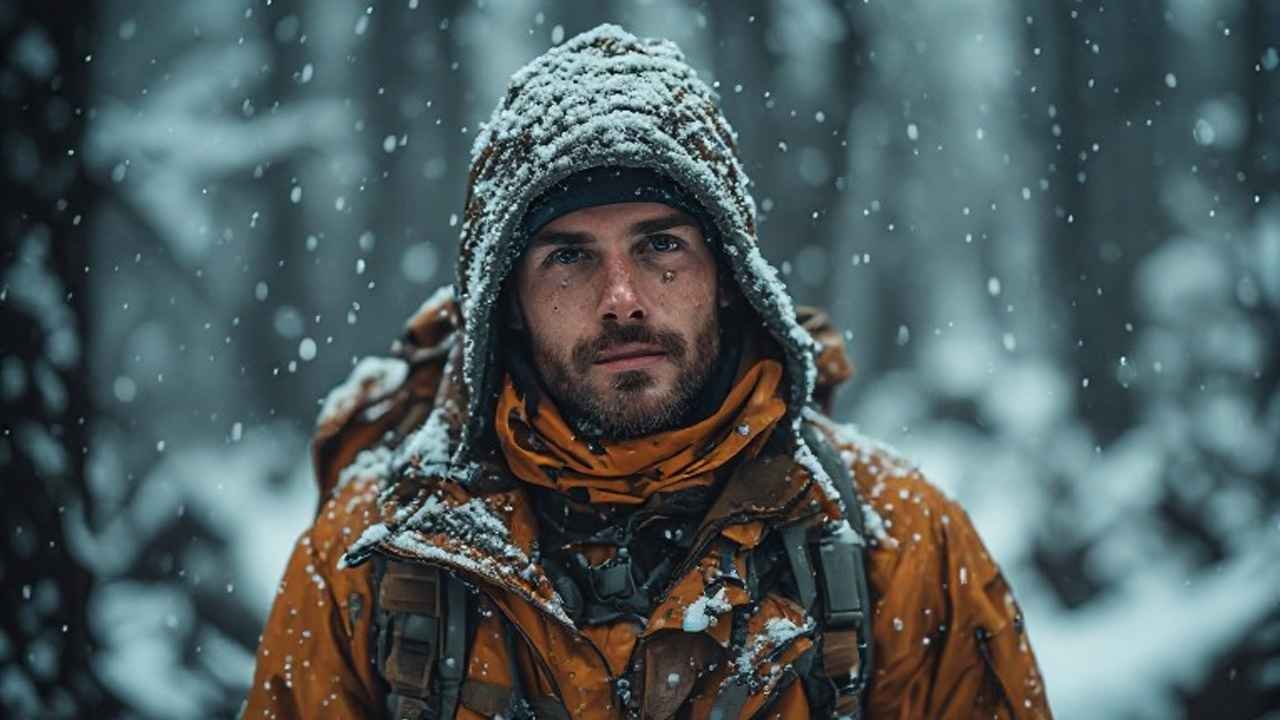
How to Layer for Canadian Hunting: Cold & Wet Weather Clothing Systems by Province
For Canadian hunting in cold and wet weather, the right setup is simple in theory: a moisture-moving base layer, breathable insulation, and a weatherproof outer shell, adjusted by activity level and wind chill instead of temperature alone. If you sweat on the hike in, then sit still in damp clothes, you get cold fast. That is why the best Canadian hunting layering system is not the heaviest one. It is the one that keeps you dry while moving, warm while stopped, and protected when rain, snow, brush moisture, or wind hit hard.
This matters even more in Canada because one “cold hunt” can mean very different things. British Columbia can give you wet coastal brush and steady rain. Saskatchewan can hit you with dry cold and relentless wind. Newfoundland and Labrador can mix bog, sleet, and sideways weather in the same day. Up north, small mistakes get expensive. If you have ever walked in feeling perfect, then started glassing and felt the chill crawl in through damp sleeves and compressed insulation, you already know the real problem: it is rarely just the temperature. It is your system management.
Staying warm and dry requires a strategic layering system that adapts to changing conditions. For your feet, explore our top picks for waterproof and insulated hunting boots to complete your outfit.
The Core Rule of Layering for Canadian Hunts
| Rule | What to do | Why it works in the field |
|---|---|---|
| Start dry | Put on a base layer that moves sweat away from skin | Damp skin becomes cold skin fast |
| Dress for the first 20 minutes, not the truck | Begin slightly cool before hiking | Prevents early overheating |
| Separate “moving warmth” from “sitting warmth” | Use breathable midlayers while active; carry lofted insulation for stops | Keeps sweat down and warmth up |
| Treat wind as a force multiplier | Add a shell earlier when wind rises | Wind strips warmth even when snowfall is light |
| Use waterproof gear only when conditions demand it | Avoid trapping too much heat under a shell during heavy exertion | Better temperature control |
| Protect extremities early | Upgrade gloves, socks, hat, and neck coverage before you feel miserable | Hands, feet, face, and ears fail first |
| Carry one true emergency warmth layer | Keep a puffy dry in the pack | Saves a hunt when weather turns ugly |
The Best Clothing System From Skin to Shell
| Layer | Main job | Best materials | Best use case | Avoid |
|---|---|---|---|---|
| Base layer | Move moisture, regulate next-to-skin comfort | Merino wool, merino blend, technical synthetic | All hunts, all seasons | Cotton |
| Light active midlayer | Add breathable warmth while climbing or walking | Grid fleece, light fleece, active insulation | Spot-and-stalk, ridgelines, cutblocks | Heavy down while moving |
| Warm static layer | Trap heat during glassing, stand time, breaks | Synthetic puffy or down puffy | Whitetail sits, glassing knobs, lunch stops | Wearing under a too-tight shell |
| Softshell | Block light wind, light moisture, brush abrasion | Stretch woven softshell | Dry cold, mixed movement hunts | Trusting it in all-day rain |
| Hardshell / rain shell | Block rain, wet snow, hard wind | Waterproof breathable laminate | Coastal hunts, snow, sleet, boat spray | Cheap noisy shells with poor venting |
| Hunting pants | Manage brush, movement, and leg temperature | Softshell, nylon blend, lined pants for colder use | Most ground hunts | Jeans |
| Rain pants | Protect lower body from wet brush and extended rain | Waterproof breathable shell | BC coast, Atlantic bogs, soaked grass, late snow | Leaving them behind “just in case” |
Quick-Use Layer Stacks for Real Hunting Scenarios
| Scenario | Base | Midlayer | Insulation for stops | Outer layer | Notes |
|---|---|---|---|---|---|
| Early cold morning, active walk-in | Lightweight merino or synthetic | Light grid fleece | Packed, not worn | Softshell or none at start | Start cool on purpose |
| All-day still-hunting in damp bush | Midweight merino | Fleece or active insulated jacket | Light puffy in pack | Quiet softshell plus packable rain shell | Great for mixed output days |
| Tree stand or blind in freezing wind | Midweight to heavy merino | Fleece plus insulated vest/jacket | Heavy puffy | Windproof shell | Build for inactivity |
| Waterfowl in sleet or marsh spray | Synthetic or merino blend | Fleece | Synthetic puffy kept dry | Waterproof shell and bibs | Wet protection matters most |
| Late-season prairie hunt | Merino base | Fleece or active insulation | Puffy | Windproof shell | Wind can beat dry cold |
| Alpine or mountain hunt in wet snow | Synthetic base | Breathable active insulation | Puffy in dry bag | Waterproof shell | Moisture management beats bulk |
| Northern extreme cold with limited movement | Heavy merino | Fleece plus insulated layer | Expedition puffy | Windproof shell over all | Do not underdress hands and face |
Province-by-Province and Territory-by-Territory Layer Planning
| Province / Territory | Typical cold & wet hunting pattern | Best base layer choice | Best outer strategy | Smart extra item |
|---|---|---|---|---|
| Alberta | Dry cold, foothill wind, variable mountain moisture | Merino or merino blend | Softshell for dry days, waterproof shell in foothills and snow | Packable puffy for glassing |
| British Columbia | Coastal rain, wet brush, mountain swings, soaked vegetation | Fast-drying synthetic or merino blend | True waterproof shell is non-negotiable | Rain pants or gaiters |
| Manitoba | Sharp cold, open-country wind, snow, wet edges in waterfowl zones | Midweight merino | Windproof shell with waterproof backup | Heavy gloves plus spare pair |
| New Brunswick | Wet woods, mixed rain and snow, dense cover | Merino blend | Quiet shell with strong water resistance; full rain shell in steady weather | Extra socks |
| Newfoundland and Labrador | Bog, sleet, wet brush, marine wind | Synthetic or merino blend | Waterproof shell and leg protection | Spare gloves in dry bag |
| Nova Scotia | Damp cold, coastal wind, drizzle, wet forest floor | Merino blend | Waterproof breathable shell | Neck gaiter |
| Ontario | Huge range: boreal cold, southern wet, stand hunting, bush travel | Merino for most hunters | Match shell to zone: waterproof in wet bush, windproof in drier cold | Sit-time puffy |
| Prince Edward Island | Coastal damp, wind, moderate cold | Merino blend | Windproof waterproof outer layer | Waterproof cap or hood |
| Quebec | Strong late-season cold, wet snow, forest moisture | Midweight merino | Softshell plus waterproof shell depending on precipitation | Insulated overmitts |
| Saskatchewan | Dry cold, aggressive wind, open fields, snow exposure | Merino or synthetic-merino blend | Windproof shell is critical; waterproof shell when snow turns wet | Face protection |
| Northwest Territories | Severe cold, strong exposure, long inactive periods | Heavy merino | Windproof shell over serious insulation | Expedition mitts |
| Nunavut | Extreme cold, exposure, wind, low margin for error | Heavy merino or expedition synthetic system | Full windproof shell plus high-loft insulation | Face mask and backup handwear |
| Yukon | Mountain swings, snow, wind, effort changes, cold mornings | Synthetic or merino blend | Layered shell strategy: softshell while moving, waterproof shell ready | Dry-bagged puffy |
Regional Clothing Priorities at a Glance
| Region | Biggest threat | Build your system around this |
|---|---|---|
| Pacific | Saturation from rain, brush, wet snow | Waterproof shell, quick-dry layers, spare gloves |
| Prairies | Wind exposure and stop-start cold | Windproof outerwear, breathable mids, insulated sit layer |
| Central Canada | Mixed-use flexibility | Modular kit that handles walking and sitting |
| Atlantic | Damp cold and persistent moisture | Shell performance, boot management, backup dry items |
| Northern territories | Severe cold plus exposure time | Loft, wind blocking, face protection, redundancy |
Fabric Choice: What Actually Works Best
| Fabric / Insulation Type | Strengths | Weaknesses | Best Canadian use |
|---|---|---|---|
| Merino wool | Odor control, comfort, broad temperature range | Slower drying than some synthetics, pricier | Multi-day hunts, stand hunting, mixed-output days |
| Synthetic base layer | Dries fast, durable, great for hard movement | Can hold odor | Mountain hunts, coastal hikes, heavy exertion |
| Grid fleece | Breathable warmth, excellent active layer | Not weatherproof | Walk-in and stalk days |
| Classic fleece | Reliable warmth, affordable, quiet | Bulky for warmth level | Whitetail, mixed bush hunts |
| Down insulation | Very high warmth-to-weight | Loses value when wet unless well protected | Dry cold, backup static warmth in protected carry |
| Synthetic insulation | Warms even when damp, versatile | Heavier than down for same loft | Wet snow, coastal, late-season mixed weather |
| Softshell fabric | Quiet, brush-friendly, wind resistant | Not enough for real rain | Dry cold and active hunts |
| Waterproof breathable shell | Rain, wet snow, hard wind protection | Can trap heat, some models are noisy | BC, Atlantic, mountain storms, waterfowl |
Temperature-and-Condition Decision Table
| Feels-like condition | Upper body setup | Lower body setup | Best glove strategy | Risk note |
|---|---|---|---|---|
| +5°C to -2°C, wet and windy | Light base, fleece, waterproof shell | Regular hunting pants plus rain shell if soaked brush | Waterproof light gloves | Sweat control matters more than bulk |
| -3°C to -10°C, mixed movement | Midweight base, active midlayer, softshell or shell | Softshell pants, optional base bottoms | Midweight insulated gloves | Easy to overdress on the hike in |
| -11°C to -20°C, stop-and-go | Midweight base, fleece, puffy for stops, shell as needed | Base bottoms plus lined or shell-backed pants | Insulated gloves with liners | Bring a dry hat or spare gloves |
| -21°C to -30°C, windy | Heavy base, fleece, lofted insulation, windproof shell | Base bottoms, insulated pants or shell system | Mitt system over liner gloves | Exposed skin becomes the weak point |
| Below -30°C or severe wind chill | Expedition system with layered insulation and full shell | Heavy lower-body insulation plus wind block | Expedition mitts, chemical warmers if needed | Hunt only with conservative safety margins |
If you want a broader equipment view beyond clothing alone, this guide to best hunting gear for Canada’s climate by season pairs well with your apparel planning.
Best Layering Systems by Hunting Style
| Hunting style | What usually goes wrong | Better clothing approach |
|---|---|---|
| Whitetail stand hunting | Hunters wear active layers that are fine while walking, then freeze while sitting | Keep walk-in light; add loft only at the stand |
| Spot-and-stalk mule deer or elk | Too much insulation during climbs, soaked back and chest | Use breathable layers while moving, then deploy puffy on stops |
| Moose in wet timber | Outerwear wets out or lower body gets soaked in brush | Prioritize shell durability and leg protection |
| Waterfowl from blind or boat | Spray, kneeling moisture, and wind chill overwhelm standard systems | Waterproof outer layer, insulated core, dry backup gloves |
| Black bear spring hunts | Mild starts turn cold at dawn/dusk and in rain | Light base plus flexible shell system |
| Northern barren-ground or tundra travel | Wind exposure and long inactivity outmatch “normal” late-season gear | Build around windproofing and emergency warmth redundancy |
What to Pack in the Daypack So Your Layering System Actually Works
| Pack item | Why it earns a spot |
|---|---|
| Dry puffy jacket in waterproof stuff sack | Emergency warmth when movement stops |
| Spare gloves | Wet gloves end dexterity fast |
| Spare merino or synthetic socks | Foot comfort and heat retention improve immediately |
| Neck gaiter or balaclava | Huge heat gain for minimal weight |
| Lightweight rain pants | Protects from soaked grass, brush, sleet, and kneeling moisture |
| Beanie plus brimmed cap | Helps adapt to effort and precipitation |
| Hand warmers | Good insurance for stand hunting and cold glassing |
| Dry base top for truck or camp | Useful after sweat-heavy pack-outs |
The Most Common Layering Mistakes Hunters Make in Canada
| Mistake | Why it hurts performance | Better move |
|---|---|---|
| Wearing cotton base layers | Holds moisture and chills quickly | Use merino or technical synthetic |
| Starting the walk-in too warm | Causes sweat buildup early | Start slightly cool |
| Using one jacket for every phase of the day | One piece rarely handles movement and stillness well | Separate active warmth from static warmth |
| Trusting a softshell in constant rain | Eventually wets through | Carry a real waterproof shell |
| Wearing tight boots with thick socks | Restricts circulation | Fit boots for hunting socks, not casual socks |
| Ignoring lower-body layering | Wet or cold legs drain overall comfort | Use base bottoms or shell pants when conditions call for it |
| No spare hand protection | Wet gloves can end accuracy and safety | Carry backup gloves |
| Packing the puffy where it gets damp | Loses value right when needed | Keep it sealed in a dry bag |
Buying Priorities if You Are Building a System From Scratch
| Priority rank | Piece to buy first | Why it matters most | High-value commercial keyword fit |
|---|---|---|---|
| 1 | Merino or synthetic base layers | Everything starts here | merino wool hunting base layers |
| 2 | Waterproof breathable shell jacket | Rain, sleet, and wind protection changes bad hunts | waterproof hunting jacket |
| 3 | Versatile midlayer fleece or active insulation | Gives usable warmth without constant overheating | insulated hunting jacket |
| 4 | Waterproof or insulated hunting boots that fit properly | Cold feet ruin decision-making fast | insulated hunting boots |
| 5 | Quiet hunting pants or softshell pants | Comfort, abrasion resistance, mobility | softshell hunting pants |
| 6 | Packable puffy | Critical for glassing, stands, and long waits | packable down hunting jacket |
| 7 | Quality gloves and mitt system | Hand function matters for safety and shot control | waterproof insulated hunting gloves |
How to Adjust Layers Through the Day
| Hunt phase | What to wear | What to avoid |
|---|---|---|
| Leaving the truck | Base plus light active layer | Wearing full insulation from the start |
| First climb or hard walk | Vent early, remove shell if weather allows | Sweating because you waited too long |
| Slower still-hunt pace | Add light shell or keep fleece on | Letting damp wind hit your chest |
| Glassing or sitting | Put puffy on immediately | Waiting until you already feel cold |
| Rain or wet snow arrives | Add waterproof shell before saturation starts | Waiting until inner layers are already damp |
| Pack-out or drag-out | Strip heavy insulation, protect from wind | Trying to power through in stand clothes |
| Back at vehicle | Change socks or base if soaked | Driving home in wet layers |
For Canadian planning, it is smart to check Canada’s wind chill index guide before late-season hunts. Once wind chill gets deep into the danger range, exposed skin can freeze far faster than most hunters expect, and your clothing decisions need to become more conservative.
Final Takeaway
The best way to layer for Canadian hunting is to think in functions, not outfits. Your next-to-skin layer must keep you dry. Your active layer must breathe. Your stop layer must trap heat fast. Your shell must match the actual threat, whether that threat is rain in British Columbia, prairie wind in Saskatchewan, damp hardwood cold in Ontario, or full exposure in Nunavut. If you solve those jobs one by one, you stop guessing and start building a system that works anywhere in the country.
More importantly, do not judge your setup while you are walking comfortably. Judge it by what happens 20 minutes after you stop moving. That is where weak systems get exposed.
FAQs
What is the best base layer for hunting in cold Canadian weather?
Merino wool works well for many Canadian hunts because it manages odor, feels comfortable across a wide temperature range, and still insulates when damp. However, for high-output mountain hunting or consistently wet conditions, a quality synthetic base can dry faster and stay more comfortable during repeated climbs.
Should I wear down or synthetic insulation for wet-weather hunting?
Choose synthetic insulation when you expect repeated moisture, wet snow, coastal rain, or heavy condensation inside outerwear. Down still works very well in dry cold and offers excellent warmth for the weight, but it needs better moisture protection and smarter pack management.
Is a softshell enough for most Canadian hunts?
Sometimes, but not always. A softshell is excellent in dry cold, light wind, and active hunts where noise and mobility matter. It is not enough for steady rain, soaked brush, or long wet-snow exposure. In Canada, many hunters do best with a softshell on the body and a waterproof shell in the pack.
How many layers should I wear for late-season whitetail hunting?
Usually, three working layers plus a separate stop layer do the job better than piling on everything at once. A good setup is base layer, fleece or active insulation, weather shell, and then a lofted puffy added only when you settle into the stand or blind.
What is the biggest mistake on cold and wet hunts?
Overdressing during movement. Hunters often try to stay warm on the walk in, sweat through the base layer, and then get cold when the pace drops. Start cooler, vent early, and add insulation the moment activity slows.
Do I need different systems for each province?
You do not need totally different wardrobes, but you do need different priorities. British Columbia and Atlantic provinces demand stronger wet-weather protection. The Prairies reward wind management. Northern territories demand serious insulation and exposure planning. A modular system handles all of that better than one heavy all-purpose jacket.

- Canada Hunting Youth Regulations 2026–2027: Age Requirements, Licences & Hunter Rules by Province - October 10, 2026
- Where to Hunt in Canada: Provinces, Species & Planning Guide - October 10, 2026
- Hunting Tags in Canada: Validation, Attachment and Transport Rules Every Hunter Must Know - October 5, 2026