
Alaska–Canada Hunting Trips: Planning, Border Rules, and Travel Requirements Explained
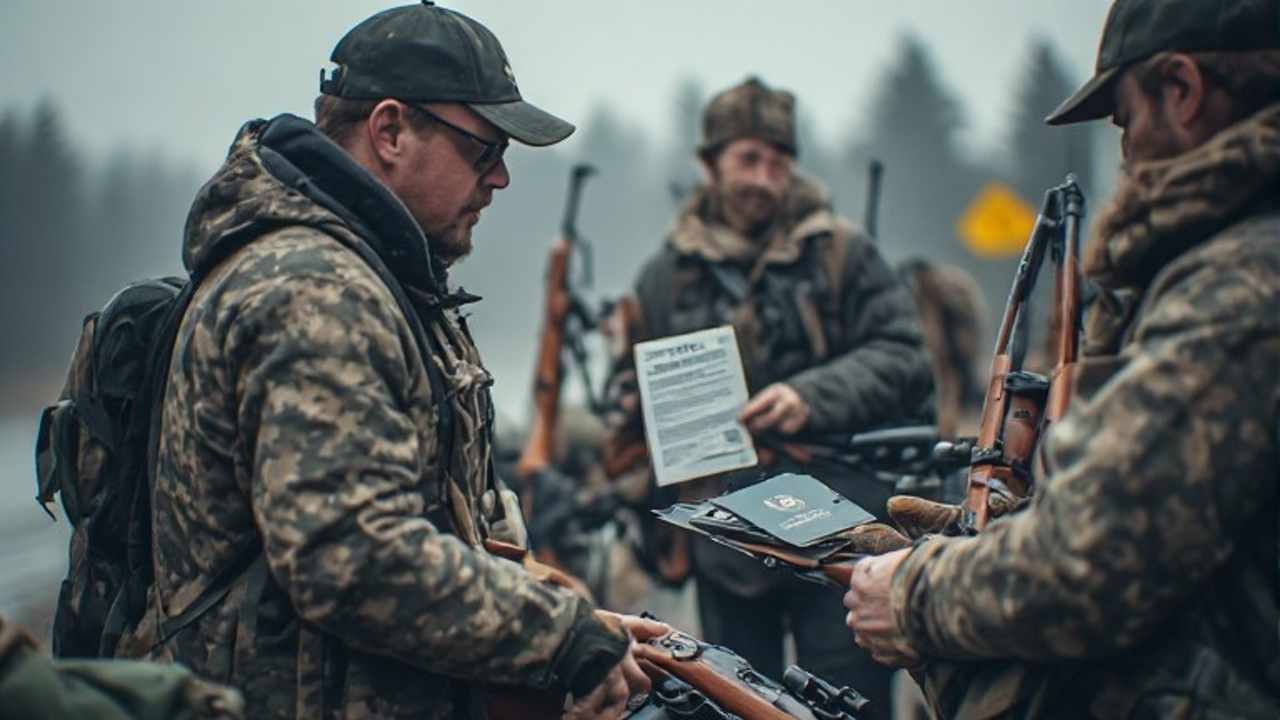
Planning an Alaska–Canada hunting trip really comes down to three documents, one fee, and a short list of rules that stop more hunters than any mountain range ever will. You need a valid passport, a Non-Resident Firearm Declaration (form CAFC 909, the renumbered RCMP 5589) if you are bringing rifles or shotguns through Canada without a license, and an honest picture of which firearms Canada classifies as prohibited. Get those right, declare everything at the border, and the hardest part of the expedition is already behind you. Get them wrong, and you are looking at confiscated firearms, fines that run into the thousands of dollars, and possibly a ban from entering Canada again — the exact scenario hundreds of American travelers stumble into each year while transiting through the country to hunt Alaska.
Let’s be straight: the stalk is the easy part. The border is where trips die. Seasoned hunters show up at a crossing with a handgun in the door pocket, or a box of .30-06 ammo they forgot in a hunting pack from last fall, and the look on their faces when the officer says “step inside” is unforgettable. This guide exists so that never happens to you. Everything below is organized into checklists and reference tables you can screenshot, print, and keep in the truck—written for Canadian hunters heading north into Alaska and for U.S. hunters driving through Canada to get there.
Before you pack a single shell, here’s the short of it: there are really only two kinds of people who end up here. The first is the Canadian hunter pointing his truck north toward Alaska’s big country. The second is the American hunter rolling up the Alaska Highway, who just needs to get his firearms across Canadian ground without a hitch. Both want the same five things: what papers to carry, which roads to take, how to handle guns and ammunition, what tags and guides will cost, and how to get meat and trophies back over the line. This guide covers all five, plain and simple.
Before you cross into Canada with any rifle or shotgun, make sure you understand the country’s firearm laws inside and out—our full breakdown of Canadian firearms regulations and PAL requirements covers everything from restricted weapons to temporary import permits.
The 10-Minute Pre-Trip Checklist
| Priority | Item | Why It Matters | Where to Get It |
|---|---|---|---|
| 1 | Valid passport (or NEXUS card) | Mandatory for both directions of travel | Passport office or Service Canada |
| 2 | Non-Resident Firearm Declaration, CAFC 909 | Acts as your temporary license for up to 60 days | Download before you leave; sign only in front of a border officer |
| 3 | Provincial hunting license and species tags | You cannot legally hunt without them | Provincial wildlife agency or your outfitter |
| 4 | Outfitter confirmation and hunt itinerary | Needed to prove a valid hunting purpose at the border | Your outfitter |
| 5 | USFWS Form 3-177 (for trophy/meat export) | Required to bring hides, skulls, or meat back | US Fish & Wildlife Service office |
| 6 | ATF/CBP ownership record (Form 4457 or serial-list) | Proves you owned your firearms before leaving the U.S. | US Customs office, before departure |
| 7 | Rabies certificate (if a dog travels with you) | Dogs over three months need proof of vaccination | Your veterinarian |
| 8 | Printed hunt dates and season table | Border officers ask; have it on paper | Provincial regulations booklet |
The single biggest border mistake is signing your firearm declaration before you reach the booth. A CBSA officer must witness your signature; if you sign it at home, the form is void and you fill it out again under pressure at the counter.
Choosing Your Border Route: Entry Points That Matter
Driving routes dictate everything else, so plan the crossing before the calendar. For hunters rolling through Canada toward Alaska, the practical ports are few and your choice affects wait times, geographic access, and where your outfitter expects you.
| Border Crossing (U.S. side – Canadian side) | Best For | Notes for Hunters |
|---|---|---|
| Sumas, WA – Abbotsford/Huntingdon, BC | Lower-48 hunters starting west | Heavy truck traffic; arrive early |
| Blaine, WA – Surrey, BC | Interstate 5 corridor | Busiest port in the west; long waits on holiday weekends |
| Oroville, WA – Osoyoos, BC | Quieter alternative to Vancouver-area ports | Fast, rural, walk-up friendly |
| Eastport, ID – Kingsgate, BC | Hunters from the Rockies/Interior West | Connects well to Highway 93 north |
| Sweetgrass, MT – Coutts, AB | Prairie and Midwest hunters | The classic Alcan kickoff for eastern travellers |
Whatever port you pick, arrive with your vehicle unloaded of hunting gear except firearms declared in plain sight, and expect a secondary inspection the first time you cross with guns. That is normal, not a problem — unless you were not honest on the declaration.
Firearms and Ammo: What Canada Allows, In Plain Numbers
Canada sorts every firearm into three buckets, and your entire legal position hangs on which bucket yours sits in. Here is the honest breakdown:
| Class | Examples | Can a Visitor Bring It? | Conditions |
|---|---|---|---|
| Non-restricted | Most hunting rifles, shotguns, muzzleloaders | Yes | Declared on CAFC 909; used for hunting or wildlife protection |
| Restricted | Handguns, some semi-automatics | Only with an Authorization to Transport | Permit issued by a Chief Firearms Officer; hunting use is not an accepted purpose |
| Prohibited | Fully-automatic arms, 2020-ban assault-style models, handguns under 105 mm, .25/.32 calibre | Never, under any circumstances | Confiscation plus charges, guaranteed |
The declaration itself is cheap — CAN$25, valid for 60 days, and it works for multiple entries in that window. Ammunition rides along too: non-residents may bring 200 rounds duty-free for hunting, or up to 1,500 rounds if a recognized competition is the purpose. Beyond those limits, expect duties and questions.
Transport rules are equally non-negotiable. All firearms travel unloaded, out of sight, and inside a locked area of the vehicle — the trunk, ideally. Restricted arms also need a locked case and a locking safety device. Never leave ammunition loose anywhere reachable from the driver’s seat; officers check.
What about self-defence gear? Bear spray is fine when the label clearly says “animal repellent,” and honestly, that is what you want in bear country anyway. Personal pepper spray, mace, and tasers aimed at people are classified as prohibited weapons, so leave them home.
Licenses, Tags, and the Outfitter Question
Big game across most of Yukon, British Columbia, and the territories requires non-resident hunters to book through a licensed outfitter. That is not a suggestion; it is regulation in most jurisdictions, and it quietly solves half your paperwork because guides routinely pre-purchase licenses and explain the tag system. The non-resident picture differs meaningfully from province to province, which is why you should read the province-by-province rules for non-resident hunters before committing to a destination — the differences between, say, BC and Yukon can change your entire budget.
| Jurisdiction | Outfitter Required for Big Game? | Notes |
|---|---|---|
| Yukon | Yes (non-residents) | Sheep, moose, caribou, grizzly allocations |
| British Columbia | Yes for most species | Some resident-class hunts have separate rules |
| Alberta | Yes for non-residents | Elk and moose draws are competitive |
| Northwest Territories | Yes | Fly-in caribou and muskox hunts dominate |
If you are weighing where to point the truck for a follow-up season, our rundown of the best hunting destinations across Canada helps narrow the shortlist. Remember that every province issues its own license, so the tag in your pocket for BC means nothing the moment you cross into Yukon.
Species and Season Snapshot: What You Can Actually Hunt
| Species | Prime Window (roughly) | Typical Region on Alaska–Canada Routes | Notes |
|---|---|---|---|
| Moose | Late Aug – Oct | Yukon, BC, Alaska interior | The classic draw; fitness matters more than gear |
| Caribou | Aug – Oct | Yukon, NWT, Alaska | Herd movements shift tags yearly |
| Dall sheep | Aug – Sept | Yukon and Alaska mountains | Physically demanding; 10+ day hunts are normal |
| Mountain goat | Aug – Oct | BC and Alaska coastal ranges | Steepest terrain in North America |
| Black bear | May – June / Aug – Oct | Almost everywhere on route | Often paired with other hunts |
| Grizzly | Spring and fall | Yukon, BC, Alaska | Strict quotas; guided hunts only |
| Elk | Sept – Oct | Alberta, BC foothills | Bugle season overlaps moose hunts |
| Waterfowl | Sept – Dec | Stopover wetlands along the corridor | Federal permit plus stamps required |
Seasons shift every year, so treat this table as orientation, never gospel — the provincial reg book is the final word.
Crossing the border for a hunting trip adds complexity with customs, firearms, and import rules. For a multi-destination adventure within Canada, check out our tips on planning a cross-province hunting road trip without wasting time.
The Real Cost of a Cross-Border Hunt
| Line Item | Realistic Range (CAD) |
|---|---|
| Firearm declaration (CAFC 909) | $25 |
| Provincial non-resident license bundle | $400 – $1,200 |
| Guided big game hunt (7–10 days) | $6,000 – $18,000 |
| Fly-in remote hunts | $10,000 – $25,000+ |
| Fuel for the Alaska Highway drive | $700 – $1,400 |
| Ammo (200-round allowance) | $200 – $400 |
| Trophy export paperwork and taxidermy | $300 – $1,500 |
| Return meat shipping | $150 – $600 |
Notice what is missing from that list: the fine for an undeclared firearm, which can hit several thousand dollars and is not budgeted by anyone who actually got caught.
Bringing Meat and Trophies Home Without Losing Them
This is the least understood step, and honestly, the one where good hunts go wrong. Cervid meat — moose, caribou, elk, deer — faces import scrutiny aimed at chronic wasting disease, so expect questions about where the animal was taken and which tag covered it.
| Item | Crossing Into Canada (from Alaska) | Crossing Into the U.S. |
|---|---|---|
| Boned-out meat | Allowed with license/tag and species declaration | Allowed; declare species and origin |
| Whole carcass with spine/brain intact | Heavily restricted (CWD rules) | Generally refused; bone it out first |
| Hide, skull, antlers | Allowed; clean and free of flesh | USFWS Form 3-177 required |
| Finished taxidermy | Allowed with documentation | Form 3-177 plus species permit checks |
| Bear hides/claws | CITES paperwork may apply | Restricted; check both directions |
The rule of thumb that saves everyone: bone out your meat, clean every trophy to the bone, and carry your license and tag receipts physically, not just as a photo. Officers cannot process what they cannot verify.
Packing and Entry Logistics Worth Memorizing
- Keep your firearm declaration, license, and itinerary in one waterproof folder within arm’s reach of the driver.
- Remove stray ammunition from old jackets, cargo pockets, and range bags before leaving home — a single forgotten shell is enough for a confiscation.
- Arrive at the border fuelled and patient; secondary inspections with firearms routinely take 20 to 45 minutes.
- Pay-at-the-pump stations across Canada need a credit or debit card with a PIN — set one up internationally before you leave.
- If you fly instead of drive, contact the airline directly about firearm check-in rules; every carrier differs, and Air North and Air Canada have separate policies.
- Carry some cash in Canadian dollars for phone-free zones and small outfitter payments; exchange rates at border towns are rarely in your favour.
Frequently Asked Questions
Do I need a Canadian hunting license just to drive through Canada to Alaska?
Yes, if you are transiting with hunting firearms. The CAFC 909 declaration covers transport and hunting use for 60 days, but officers expect to see a legitimate purpose — a booked hunt with a license or an outfitter confirmation — when you are crossing with rifles in the vehicle.
Can I bring my handgun into Canada for bear protection while hunting?
Essentially, no. Handguns are restricted firearms, and hunting is not a valid purpose for an Authorization to Transport. Carry bear spray instead; it is legal when labelled as animal repellent and is the practical tool for encounters anyway.
How much ammunition can I bring into Canada?
Non-residents with a declaration or license can import 200 rounds duty-free for hunting purposes, or up to 1,500 rounds for a recognized shooting competition. Anything beyond that is dutiable and will likely draw extra questions.
What happens if I fail to declare a firearm at the Canadian border?
The firearm is confiscated permanently, you face fines and potential criminal charges, your vehicle can be impounded, and you may be banned from entering Canada. There is no grace period and no appeal-friendly path — declare first, always.
Do outfitters handle licenses and tags for me?
Most do. Licensed outfitters usually purchase the required licenses and explain tag draws in advance, which removes most of the administrative friction. You should still verify every document yourself before crossing.
Is my U.S. hunting license valid in Yukon or BC?
No. Licenses are issued per province or territory, and each jurisdiction sells its own. U.S. licenses prove nothing at a Canadian check station, and Canadian tags do not transfer the other direction either.
Border guidance in this article follows the current CBSA firearms import rules — verify any fee or form number against the CBSA’s official firearms import guidance and the CBSA’s hunting-season border notice before you roll, since Canadian firearm classifications changed as recently as 2020 and paperwork does get renumbered.

- Canada Hunting Youth Regulations 2026–2027: Age Requirements, Licences & Hunter Rules by Province - October 10, 2026
- Where to Hunt in Canada: Provinces, Species & Planning Guide - October 10, 2026
- Hunting Tags in Canada: Validation, Attachment and Transport Rules Every Hunter Must Know - October 5, 2026