Remote Hunting in Canada: How to Plan Transportation, Camp, and Tags Like a Pro
Planning a remote hunting trip in Canada comes down to three decisions: how you get there, where you stay, and how far ahead you book. As a rule of thumb, first-time visitors should reserve a licensed outfitter 12 to 18 months before opening day, expect a float plane or bush charter for true backcountry access, and budget for a package that bundles camp, meals, and guiding — because running a DIY remote hunt in the Canadian North is a completely different animal. The upside is real: 25 of North America’s 30 big-game species call Canada home, and much of the country is Crown land with more moose, caribou, bear, and whitetail per square mile than you’ll find anywhere stateside.
The good news for international hunters is that the border process, while paperwork-heavy, is predictable. You’ll clear it with a passport, a clean criminal record, and a completed Non-Resident Firearm Declaration (form CAFC 909) if you’re bringing your own rifle. From there, costs scale with remoteness: a spring bear hunt at a full-service camp often lands in the $4,000–$5,000 range, while a fly-in moose or caribou package commonly runs $8,000–$12,000 or more per hunter. This guide walks through every transport mode, every accommodation type, the real budget line items, and a month-by-month planning timeline so you can price your trip, avoid border headaches, and show up with the right gear the first time.
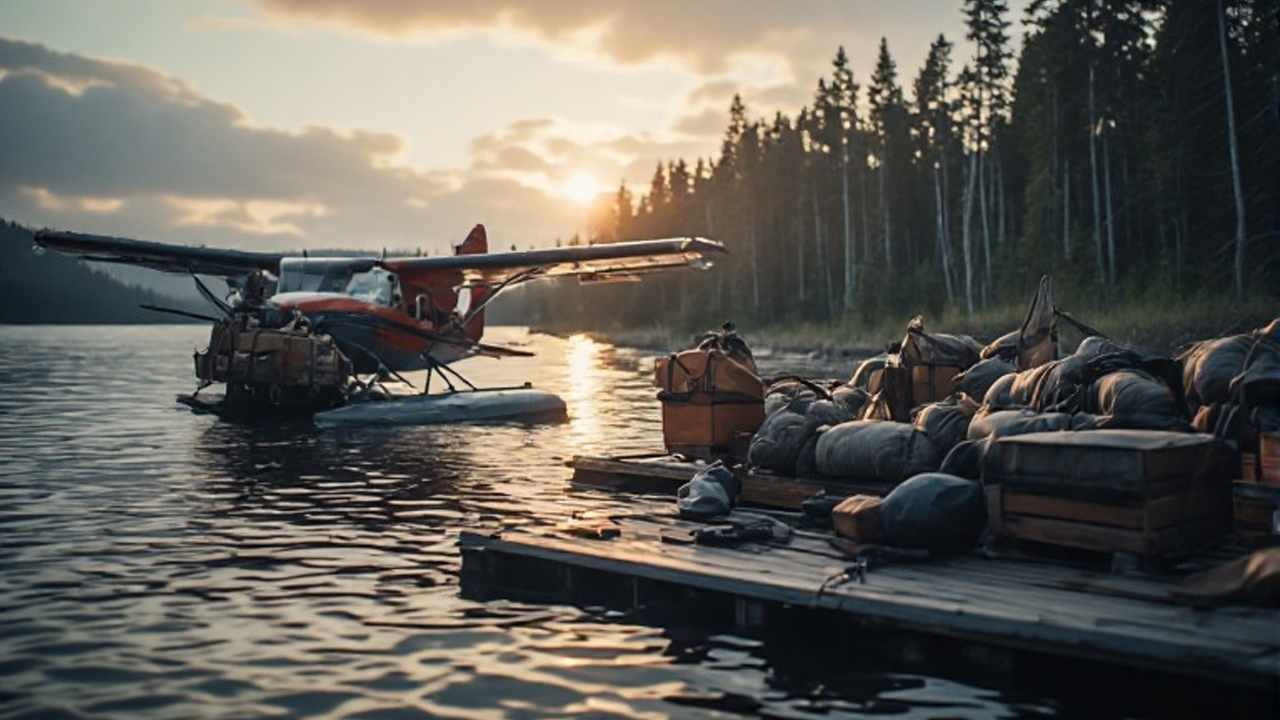
I’ll be honest—the first time you watch a De Havilland Beaver lift off a lake, leaving you and your rifle on a dock half a day’s flight from the nearest road, the silence feels loud. That’s the version of Canada hunting you’re planning for. It rewards preparation, punishes shortcuts, and spoils every hunt that follows.
What “Remote Hunting in Canada” Actually Involves
Remote doesn’t mean one thing. In practice, you’ll hear four distinct hunt styles, and each one changes your logistics:
- Fly-in outpost hunts — a float plane drops you at a self-serve cabin on a lake. No guides, no electricity, true solitude.
- Full-service lodge hunts — guided hunts from a main lodge with meals, heating, and often hot showers. The most beginner-friendly option.
- Wall-tent and spike camps — horse packers, snowmobiles, or ATVs move you into alpine or boreal camps with canvas shelters.
- DIY Crown-land hunts — you drive, carry everything, and navigate regulations solo. Cheapest, but the steepest learning curve.
Here’s what first-timers consistently underestimate: remoteness multiplies every mistake. A forgotten license pouch is a 20-minute fix at home and a full-day disaster at a fly-in camp. That’s why outfitters exist, and why even experienced hunters use them for their first Canadian trip.
Transportation to Remote Hunting Areas: Every Option Compared
Choosing how you move is the single biggest planning decision, because it drives cost, weight limits, and how much gear you can bring. First, decide the gateway; then, the final leg.
| Transport mode | Best suited for | Typical cost picture | What to know |
|---|---|---|---|
| Drive-in (personal vehicle) | Ontario, Quebec, Manitoba, Saskatchewan, New Brunswick | Fuel + accommodation only; cheapest overall | Most driveable provinces sit within 8–12 hours of the US border; check border crossing hours before you travel |
| Commercial flight + outfitter transfer | Every province and territory | $300–$900 return from major hubs | Fly into a regional airport, and the outfitter’s truck or boat handles the rest |
| Float plane / bush charter | Fly-in lodges and outpost camps | The charter is often included in package pricing; standalone Beaver charters have historically run roughly $9–$10 per air mile | Weight limits are strict — usually 40–60 lbs of personal gear per hunter; soft duffels beat hard cases here |
| Boat / kayak access | Coastal BC, Labrador, northern Ontario rivers | Budget for fuel and motor rental | Great for waterfowl and moose along waterways; weather windows can close fast |
| Snowmobile / ATV | Late-season and winter predator hunts | Rental often folded into guided packages | Track access disappears when the freeze-up comes; book this only through outfitters who run the route daily |
The single most important tip: ask what transportation is included before you compare prices. Most full-service packages include charter flights to camp, transport within the hunting area, and the ride back to the airport The Hunt N Fish Network. If a quoted price excludes the flight leg, you’re not comparing apples to apples.
Major Gateway Airports for Remote Hunts
Where you land shapes everything downstream. These hubs anchor most remote hunting logistics:
- Yellowknife (NT) — caribou, barren-ground, and NWT trophy hunts; float plane hub.
- Fort McMurray (AB) — classic fly-in moose and whitetail country; outfitters run the pickup circuit daily.
- Thunder Bay & Red Lake (ON) — northwestern Ontario outpost camps and bear bait hunts.
- Saskatoon (SK) — waterfowl and whitetail country; limited direct fall flights, so book early Prairies Edge Outfitting.
- Goose Bay & Deer Lake (NL) — Labrador caribou and Newfoundland moose.
- Fort Nelson & Terrace (BC) — Stone sheep, mountain caribou, and grizzly country.
Tip: fly in the day before your hunt and leave on a late-afternoon flight on closing day. Hunters who rush the travel are the ones who miss the first morning in the stand.
Firearms, Ammunition & Border Logistics
This is where trips fall apart, so handle it like a checklist, in this order:
- Confirm admissibility first. Any criminal record — including a DUI — can block entry to Canada. Sort this out months ahead, not at the border.
- Complete the Non-Resident Firearm Declaration (CAFC 909) at the first customs point of entry. It costs a small fee, covers you for 60 days, and lets you hunt with your firearm.
- Know the magazine rules. Centerfire semi-automatic magazines are capped at five rounds, and pump or semi-auto shotguns must be plugged to hold three shells.
- Bring ammunition with limits in mind. Up to 200 rounds enter duty-free; beyond that, expect to pay duty. Ammunition must be stored separately from the firearm.
- Declare everything — firearms, ammo, alcohol, and tobacco. Failing to declare a firearm is grounds for seizure, fines, and even criminal charges.
For the official process and current fees, the Canada Border Services Agency firearm guidelines are the definitive source. Non-residents don’t need a Canadian PAL or RPAL, but you do need to satisfy the border officer that the firearm’s purpose is hunting. Details on classification and approval sit with the RCMP Canadian Firearms Program, which is worth a skim before you fly.
Accommodation in Remote Hunting Country: Lodge vs. Outpost vs. Camp
The roof over your head defines the whole experience. Here’s the honest comparison:
| Accommodation type | What you get | Who it’s right for | Typical price picture |
|---|---|---|---|
| Full-service hunting lodge | Guides, all meals, heat, power, private rooms, trophy care | First-timers, older hunters, anyone who wants comfort after the hunt | Premium of $1,500–$3,000+ over equivalent outpost stays for the week |
| Outpost cabin (self-serve) | Secluded cabin, stove, sometimes solar power; you cook, clean, and hunt solo | Experienced wilderness hunters; groups | Often the cheapest fly-in option; some outfitters run them unguiaded |
| Wall-tent / spike camp | Canvas shelter, wood stove, air mattresses; carried or packed in | Backcountry purists chasing elk, sheep, or mountain game | Usually part of a guided package rather than a standalone item |
| Boat-in camp | Cabin accessible only by water; mooring and boat included | Waterfowl, moose, and bear hunters along river systems | Mid-range; transport usually bundled |
| Hotel / B&B base | Warm bed and restaurant near the hunting area; daily truck or boat runs | Drive-in hunters covering multiple zones | Cheapest of all; add daily travel time |
Do not book accommodation and transportation separately. Outfitters who own their camps and their planes can quote one number and one set of rules. When you bundle, a weather delay that grounds flights for two days is the outfitter’s problem to manage — not a double-charged invoice on your card.
Realistic Budget Breakdown for a Remote Canadian Hunt
Prices vary by province, species, and season, but the line items are consistent. Plan around these:
| Cost component | Typical range (per hunter) | Notes |
|---|---|---|
| Guided package (lodge/outpost + meals + hunting) | $4,000–$12,000+ USD | Bear hunts at the low end; moose, caribou, and sheep at the top |
| Non-resident licence + big-game tags | Several hundred dollars, strongly variable | Buy through the outfitter or provincial portal before arrival where required |
| Charter / float plane (if not included) | Often $500–$1,500 return | Ask for a written inclusion list before booking |
| Travel insurance + evacuation cover | $100–$300 for the trip | Non-negotiable for fly-in hunts; medevac runs into five figures |
| Gratuities | 10–15% of package | Cash is standard in the North |
| Taxidermy & trophy shipping | $500–$2,000+ | Budget it after the hunt, not at the border |
| Ammo, clothing, incidentals | $300–$800 | Gear you buy new, one-time |
For a province-by-province look at what fly-in caribou and moose hunts really cost, our detailed breakdown of fly-in caribou and moose hunt costs by province compares published outfitter rates side by side.
The Remote Hunting Trip Planning Timeline
Reverse-engineer your calendar from opening day. As a general schedule:
- 12–18 months out — pick species and province; shortlist licensed outfitters; check non-resident tag availability.
- 9–12 months out — book your hunt with a deposit; reserve flights as soon as they open.
- 6 months out — resolve any admissibility issues; apply for or renew your passport; buy travel insurance.
- 3–4 months out — confirm gear list; order boots early and break them in; book taxidermy ship-home arrangements.
- 6–8 weeks out — verify season dates and your outfitter’s confirmed transportation; download the CAFC 909 form and rules.
- 2 weeks out — pack your soft duffel under the plane’s weight limit; zero your rifle; print contracts and licences.
- 48 hours out — check border crossing hours, weather, and flight status; notify your credit card and phone carriers about travel.
One rule I’ve learned the hard way: the trip starts when you book it, not when you land. Every delay between booking and departure is cheaper than any delay in the bush.
Gear & Packing Priorities for Backcountry Hunts
Planes have weight limits, so pack for function, not comfort. The essentials, in order of importance:
| Priority | Item | Why it matters |
|---|---|---|
| 1 | Layered clothing system (base, mid, shell) | Canadian weather swings 30°F in a day; cotton kills |
| 2 | Quality boots, broken in for 50+ miles | Blisters end hunts faster than poor shooting |
| 3 | Satellite communicator (Garmin inReach or similar) | Cell coverage ends at the tree line |
| 4 | Headlamp + spare batteries | The North gets dark early in fall |
| 5 | First-aid kit with trauma supplies | Evac times are measured in hours, not minutes |
| 6 | Meat care kit: game bags, knife, saw, butcher paper | Proper care starts in the field, in the cold |
| 7 | Survival kit (fire, shelter, water) | A pinned-down plane or a lost partner changes everything |
| 8 | Warranted firearm + spare ammo (within the 200-round limit) | Ship ammo separate from the firearm per customs rules |
Before you finalize anything, run through our complete Canadian hunting trip pre-season checklist — it catches the small stuff (calls, releases, tags) that nobody remembers at midnight before departure.
Outfitter vs. DIY: Which Remote Hunt Should You Book?
Both routes work; they just suit different hunters. The comparison:
- Book a licensed outfitter if it’s your first Canadian hunt, you’re chasing a once-in-a-lifetime species, or you want tags handled for you. American residents are required to hunt with a licensed outfitter in several provinces for resident-controlled species like moose — Ontario, for example, ties moose tags to outfitter allocations Visit Sunset Country.
- Go DIY if you already know the country, you’re hunting waterfowl or small game on Crown land, and you can navigate provincial licence portals blindfolded. You’ll save 30–50% — and you’ll earn every mile of it.
- Split the difference with a semi-guided or self-guided outpost booking: outfitter logistics, your own hunting.
Weather, Safety, and the Insurance You Shouldn’t Skip
Remote hunting is aviation-dependent, and aviation is weather-dependent. Plan for it:
- Build a buffer day into both ends of your trip. Outfitters schedule float planes around weather windows; you schedule flights around outfitters.
- Buy trip cancellation and medical evacuation insurance before you pay your deposit. At a fly-in camp, a medevac can cost more than the hunt itself.
- File a trip plan with your outfitter and someone at home — where you are, when you expect to return, and your comms device.
- Hunter orange rules vary by province — Ontario, for instance, requires it for most big-game hunting — so confirm local requirements, not your home state’s.
Common Planning Mistakes That Ruin Remote Hunts
Avoid these, and you’re ahead of most hunters in camp:
- Booking a hunt without confirming what transportation is included.
- Assuming your rifle meets Canadian magazine and firearms rules.
- Packing a hard rifle case that won’t fit in a float plane.
- Ignoring lightning-strike border issues like a past DUI.
- Leaving the trip-plan until after the outfitter is sold out.
- Skimping on insurance because “nothing will go wrong.”
That last one is the irony of remote hunting — the remoteness is exactly why everything can go wrong, and exactly why it’s worth it.
Frequently Asked Questions
Do I need an outfitter to hunt remotely in Canada?
Not always, but often. Several provinces require non-residents to hunt big game like moose with a licensed outfitter, and extending outfitter access often comes with tags. If you’re hunting species or provinces where DIY is allowed, you can go solo — just budget more planning time.
Can I bring my own rifle to Canada for a hunting trip?
Yes, with paperwork. Complete the Non-Resident Firearm Declaration (CAFC 909) at the border, pay the fee, and follow the magazine and storage rules. Declare it clearly, and keep ammo (up to 200 rounds duty-free) separate from the firearm.
How much does a fly-in hunting trip in Canada cost?
Expect $4,000–$5,000 for a guided spring bear hunt, and $8,000–$12,000 or more for moose, caribou, or sheep packages when flights, food, and lodging are included. DIY and self-guided outpost options come in meaningfully lower.
How far in advance should I book a remote Canadian hunt?
For top outfitters and marquee species, 12–18 months. For flexibility on dates and lodges, 6–9 months still works. Waterfowl in Saskatchewan and bear hunts in Ontario book out fastest.
What insurance do I need for a remote hunt in Canada?
At minimum, trip cancellation and medical/evacuation coverage. Standard US health insurance generally won’t cover care in Canada, and medevac from a fly-in camp can cost more than the hunt itself.
Is a float plane safe and is flying included?
Bush flying with licensed charter operators is routine — these pilots fly the same lakes daily. Always confirm whether flights are included in your package; most full-service outfitters buy them in, and solo charters are priced per air mile.

- Canada Hunting Youth Regulations 2026–2027: Age Requirements, Licences & Hunter Rules by Province - October 10, 2026
- Where to Hunt in Canada: Provinces, Species & Planning Guide - October 10, 2026
- Hunting Tags in Canada: Validation, Attachment and Transport Rules Every Hunter Must Know - October 5, 2026