
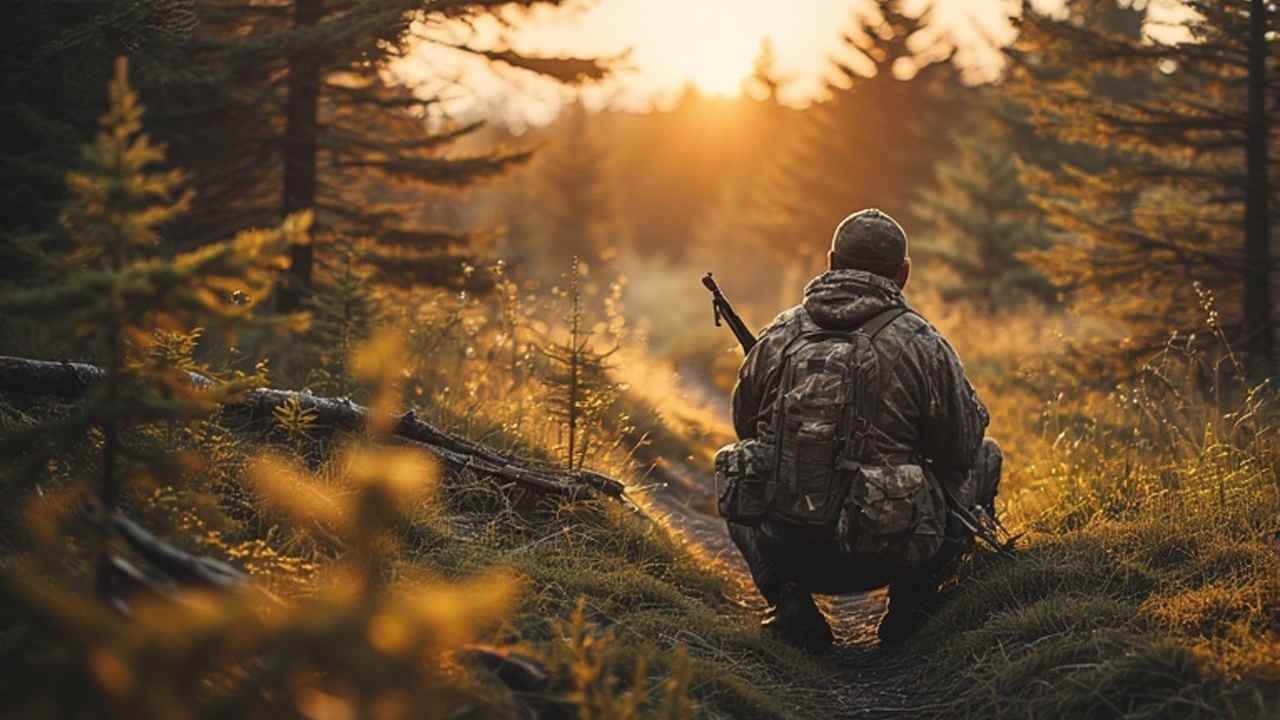
Nova Scotia Hunting Season Guide 2026-2027
Nova Scotia’s 2026–2027 hunting season offers regulated opportunities for deer, black bear, small game and furbearers, with hunters required to hold the appropriate licenses, stamps and certifications before heading afield. Deer archery and muzzleloader season runs from September 14 through December 12, 2026, although September 14–26 is bow-only; the general deer season is October 30–December 12, while the youth deer hunt is October 16–24 for supervised hunters aged 12–17. Black bear hunting is open September 14–December 5, with resident-only bear snaring available October 1–December 5; however, firearm use for bear is restricted in Moose Management Zones 2–4 during part of the fall. Cape Breton’s moose hunt remains suspended for 2026 as a conservation measure, while small-game options include ruffed grouse from October 1–December 31, snowshoe hare from November 1, 2026 to late February 2027, and pheasant seasons ending December 15. Sunday hunting is permitted from the first Sunday after October 1 through the last Sunday of December for eligible species.
Nova Scotia may look compact on a map, but hunters quickly discover that the province has a mixture of forest, farmland, coastal country and heavily worked rural landscapes. Deer hunters, small-game hunters and waterfowl hunters can find very different conditions depending on where they are hunting, and the timing of a season can matter just as much as the species on the license. That makes the 2026–2027 calendar worth checking before you arrange time off, secure access to private land or make a scouting trip.
For Nova Scotia hunters, the details can include more than simply an opening and closing date. Deer opportunities, bear seasons, small-game regulations, migratory bird rules, bag limits and area-specific provisions can all affect what you can legally do in the field. The information below is organized to make those details easier to find, but regulations can be updated by the province or federal authorities. Always verify the applicable rules, license requirements and dates before hunting.
📅 Quick Reference Points
- Deer: Archery/muzzleloader runs September 14 to December 12, 2026, with bow-only from September 14 to September 26; general deer runs October 30 to December 12, 2026.
- Youth deer: October 16 to October 24, 2026 for ages 12–17 under immediate supervision.
- Bear: Hunting season is September 14 to December 5, 2026; resident bear snaring is October 1 to December 5, 2026.
- Moose: No Cape Breton moose hunt in 2026; the province is not holding a moose draw for the year.
- Snowshoe hare: Hunting runs November 1, 2026 to February 27, 2027; snaring runs one day longer, through February 28, 2027.
- Ruffed grouse: October 1 to December 31.
- Pheasant: Male only; October 1 to December 15 in most counties, but November 1 to December 15 in Annapolis, Kings, and Hants.
- Waterfowl: Goose opens September 1 to September 15 everywhere, then reopens later by zone; duck timing starts October 1 in Zone 1 and October 8 in Zone 2.
- Sunday opportunities: Sunday access extends from the first Sunday immediately after October 1 through the last Sunday in December for harvestable species, subject to applicable rules.
- Antlerless deer draw: For 2026, applications opened July 6, closed July 31, and results were scheduled for August 18.
🦌 Big Game Schedules
| Species | Method / Season Type | 2026-2027 Dates | Bag Limit | Permit / Zone Notes |
|---|---|---|---|---|
| Deer | Archery & Muzzleloader | Sep 14–Dec 12, 2026 | 1 | Early portion Sep 14–Sep 26 is bow only |
| Deer | Youth | Oct 16–24, 2026 | 1 | Ages 12–17 under immediate adult supervision |
| Deer | General | Oct 30–Dec 12, 2026 | 1 | Standard firearm season |
| Bear | Hunting | Sep 14–Dec 5, 2026 | 1 | Residents and non-residents may buy bear licenses |
| Bear | Snaring | Oct 1–Dec 5, 2026 | 2 | Residents only, age 16+, Fur Harvester certified |
| Moose | Draw hunt | No open season in 2026 | — | Cape Breton hunt suspended; no provincial draw held |
A few deer details matter more than most beginners expect. Nova Scotia uses 12 deer management zones, numbered 101 to 112. Zones 101, 102, 105, 107, and 109 are open for deer of either sex without an antlerless draw stamp. In zones 103, 104, 106, 108, 110, 111, and 112, antlerless access is controlled by stamp allocation.
For 2026, the province listed antlerless availability as follows: 103 (2,200), 104 (425), 106 (900), 108 (850), 110 (850), 111 (500), and 112 (300). Bonus deer stamps were also available in several zones, but for 2026 they were restricted to antlerless-only harvest.
One extra bear rule is easy to miss: in Moose Management Zones 2, 3, and 4 on Cape Breton, rifles, shotguns, and muzzleloaders are prohibited for bear from September 14 to October 11, 2026. In those areas, hunters need to pay close attention to the allowed methods.
🦃 Turkey Schedules
Nova Scotia’s 2026 provincial summary does not list an open wild turkey season.
| Turkey Hunt Type | Dates | Bag Limit | Notes |
|---|---|---|---|
| Spring turkey | No open season listed | — | Treat as closed unless a later official update says otherwise |
| Fall turkey | No open season listed | — | No general fall framework published |
| Youth turkey | No youth season listed | — | No separate youth turkey opportunity published |
If you’re used to turkey opportunities in other provinces or U.S. states, don’t assume they exist here. Always confirm before making plans.
🦝 Furbearer Season Dates
| Species | Dates | Limit | Notes |
|---|---|---|---|
| Beaver | Nov 1, 2026–Mar 31, 2027 | 20–30 by zone | County-based beaver zones apply |
| Bobcat | Nov 1, 2026–Feb 28, 2027 | 5 | Fur Harvester license required |
| Otter | Nov 1, 2026–Feb 28, 2027 | No limit | Carcass and pelt stamping required |
| Mink | Nov 1, 2026–Mar 31, 2027 | No limit | Fur Harvester rules apply |
| Muskrat | Nov 1, 2026–Mar 31, 2027 | No limit | Fur Harvester rules apply |
| Red squirrel | Nov 1, 2026–Mar 31, 2027 | No limit | Fur Harvester season |
| Skunk | Nov 1, 2026–Mar 31, 2027 | No limit | Fur Harvester season |
| Weasel | Nov 1, 2026–Mar 31, 2027 | No limit | Fur Harvester season |
| Fox | Oct 15, 2026–Mar 31, 2027 | No limit | Fur Harvester season |
| Coyote | Oct 15, 2026–Mar 31, 2027 | No limit | Fur Harvester season; see note below |
| Raccoon | Hunting: Oct 15, 2026–Mar 31, 2027; Trapping: Nov 1, 2026–Mar 31, 2027 | No limit | Wildlife Habitat + Fur Harvester stamps required |
| Lynx | Closed | — | No open season |
| Marten | Closed | — | No open season |
| Fisher | Closed season, incidental rules only | — | One accidental trap catch may be retained under specific rules |
Important coyote note: Nova Scotia also lists coyote as other harvestable wildlife from January 1 to December 31, 2026, with no bag limit. That creates a practical distinction between general take and the stricter furharvester framework for trapping and pelt handling.
🐦 Small Games Dates
| Species | Dates | Daily Bag Limit | Notes |
|---|---|---|---|
| Snowshoe hare | Nov 1, 2026–Feb 27, 2027 | None | Residents need Habitat Stamp; no small-game license required for resident hare hunting |
| Snowshoe hare (snaring) | Nov 1, 2026–Feb 28, 2027 | None | No dogs allowed for hare hunting Nov 1–15 |
| Ruffed grouse | Oct 1–Dec 31 | 5 | Possession limit 10 after day one |
| Ring-necked pheasant (male only) | Most counties: Oct 1–Dec 15 | 2 | Possession limit 4 after day one |
| Ring-necked pheasant (male only) | Annapolis, Kings, Hants: Nov 1–Dec 15 | 2 | Later opener in those counties |
If you’re also building a broader Maritimes trip, it’s smart to compare these dates with the nearby New Brunswick hunting seasons page before packing licenses and ammo for both provinces.
🦆 Complete Waterfowl Seasons
Nova Scotia’s migratory bird framework is split into Zone 1 and Zone 2.
| Species / Group | Zone 1 Dates | Zone 2 Dates | Daily Bag | Possession |
|---|---|---|---|---|
| Ducks (most dabblers/divers except special group) | Oct 1, 2026–Jan 15, 2027 | Oct 8, 2026–Jan 22, 2027 | 6 | 18 |
| Mergansers, long-tailed ducks, eiders, scoters | Oct 1–Nov 1; Nov 2–Dec 31; Jan 1–Jan 15 | Oct 8–Nov 1; Nov 2–Dec 31; Jan 1–Jan 22 | 5 | 10 |
| Geese, all combined | Sep 1–15; Oct 1–Dec 31 | Sep 1–15; Oct 23, 2026–Jan 22, 2027 | 5, plus 5 extra Canada/Cackling geese during Sep 1–15 | 20 |
| Woodcock | Oct 1–Nov 30 | Oct 1–Nov 30 | 8 | 16 |
| Snipe | Oct 1–Nov 30 | Oct 1–Nov 30 | 10 | 20 |
| Harlequin duck | No open season | No open season | — | — |
A few bird-rule basics deserve special attention. Teal are folded into the general duck framework rather than getting a separate early split. Barrow’s Goldeneye is limited to 1 bird daily and in possession, and Harlequin duck remains closed. Non-toxic shot is required for migratory birds in Nova Scotia except woodcock, and when you’re in a National Wildlife Area that allows hunting, lead shot is prohibited for all hunting.
🐗 Other Available Game
| Species | Dates | Limit | Notes |
|---|---|---|---|
| Coyote | Jan 1–Dec 31, 2026 | None | Listed as other harvestable wildlife |
| Bullfrog | Jul 15–Sep 30, 2026 | None | Unusual seasonal option |
| Crow | Sep 1, 2026–Mar 31, 2027 | None | Province lists an open period |
| Red squirrel | Nov 1, 2026–Feb 27, 2027 | None | Separate from furharvester table |
🗺️ Zones Active for Hunting
For deer, learn the 12 Deer Management Zones (101–112) before you hunt. They determine whether you can take a deer of either sex, whether you need an antlerless stamp, and where a bonus deer stamp is valid. For waterfowl, use the federal Zone 1 and Zone 2 county breakdown. There’s also a special Belleisle Marsh hunting blind lottery for the first three days of migratory bird season on constructed wetlands, with applications opening August 1, 2026, a deadline of August 31, and a draw date of September 1.
When you check the official provincial wildlife map, also verify land ownership. A legal game unit doesn’t automatically mean open public access. In many parts of Nova Scotia, private-land permission is still the make-or-break detail.
🎟️ Licenses, Tags & Permits
| License / Permit | Resident | Non-resident | Notes |
|---|---|---|---|
| Wildlife Habitat Stamp | Required | Required | Base license add-on |
| Wildlife Resources Card | Required | Non-resident WRC option / proof route | Needed to buy many licenses |
| Deer – General | Yes | Yes | Resident: $27.87 + HST; Non-resident: $137.09 + HST |
| Deer – Archery/Muzzleloader | Yes | Yes | Same pricing as general deer |
| Small Game | Yes | Yes | Resident: $17.26 + HST; Non-resident: $62.30 + HST |
| Bear Hunting | Yes | Yes | Resident: $26.57 + HST; Non-resident: $124.52 + HST |
| Fur Harvester | Yes | No | Residents only, age 16+, FT/FQ certification |
| Bear Snaring | Yes | No | Residents only; DNR offices only |
| Youth provincial access | Yes | Yes, where eligible | Ages 12–17 with supervision and correct licensing |
| Youth Migratory Game Bird Permit | Free federal permit | Free federal permit | Under 18; separate from provincial licenses |
| Military license | No separate class listed | No separate class listed | Check for later updates |
| Disability license | No separate fee class found | No separate fee class found | Province uses a WRC disabled designation, not a separate hunt license in the retrieved rules |
Helpful reminders:
- First-time firearm hunters need firearms safety plus hunter education.
- Bowhunters need bowhunter education if hunting with a bow.
- Non-residents need proof of hunter education or a recent license, plus a licensed guide or a resident with a Special Permit to Guide.
- For migratory birds, carry both the federal permit with habitat stamp and your provincial small-game paperwork.
❓ Nova Scotia (Canada) Hunting Quick FAQ
Can non-residents hunt deer in Nova Scotia?
Yes. Non-residents can buy deer licenses, but they must meet proof-of-certification rules and hunt with a licensed guide or a resident holding a Special Permit to Guide.
Is there a moose season in Nova Scotia for 2026?
No general 2026 Cape Breton moose hunt is being held, and the province is not running a moose draw for the year.
Do I need an antlerless stamp to take a doe?
Only in specific deer management zones. Some zones are open to either sex, while others require a valid antlerless stamp tied to that zone.
Can youth hunt deer?
Yes. Youth ages 12–17 can participate under immediate supervision if all licensing requirements are met.
Is Sunday hunting allowed?
Yes, within Nova Scotia’s expanded Sunday window from the first Sunday after October 1 through the last Sunday in December, subject to the applicable rules for the species and location.
Do I need both provincial and federal permits for ducks and geese?
Yes. Waterfowl hunters need provincial small-game documents plus the federal Migratory Game Bird Hunting Permit and federal habitat stamp.
Is there a turkey season?
No open turkey season was listed in the 2026 provincial summary reviewed for this guide.
Conclusion
Nova Scotia gives hunters a solid mix of deer, bear, hare, grouse, pheasant, coyotes, and migratory birds, but the details really matter. Zone rules, stamp requirements, youth supervision, federal bird permits, and county-based timing can all change what’s legal on a given day. Buy permits early, check your game unit carefully, and confirm any late updates before opening morning.
If you plan to come back every year, bookmark this page and review it again before the next schedule rolls around. A quick regulations check now is a lot cheaper than a mistake in the field.
Source note: This guide was cross-checked against the official Nova Scotia Hunting & Furharvesting Summary of Regulations and the federal Nova Scotia migratory game bird summary.

- Canada Hunting Youth Regulations 2026–2027: Age Requirements, Licences & Hunter Rules by Province - October 10, 2026
- Where to Hunt in Canada: Provinces, Species & Planning Guide - October 10, 2026
- Hunting Tags in Canada: Validation, Attachment and Transport Rules Every Hunter Must Know - October 5, 2026