
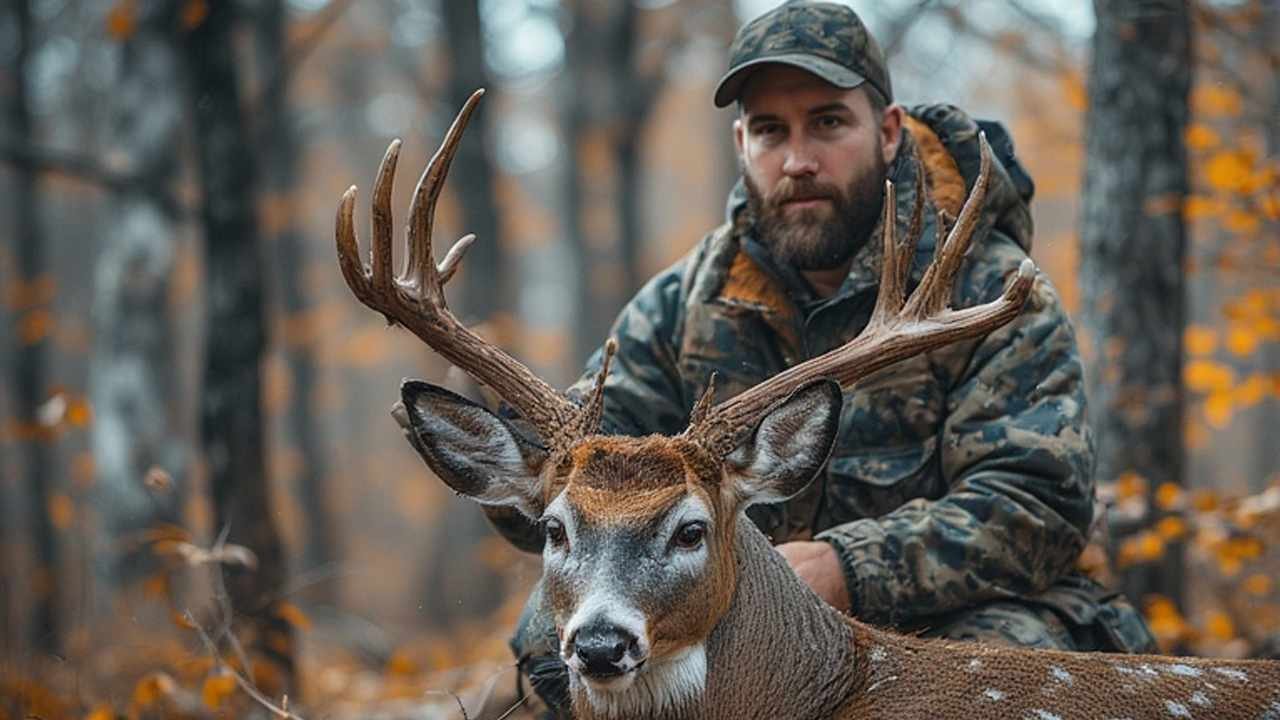
🎯 Ontario Hunting Guide 2026-2027: Seasons, Licenses & WMU Information
Ontario’s 2026–2027 hunting season is structured around 151 Wildlife Management Units (WMUs), meaning there is no single province-wide opening date—every season, bag limit, and weapon type depends entirely on which WMU you hunt . Key dates for the 2026 season include the deer antlerless draw deadline of June 30, controlled deer draw deadline of July 31, and the moose primary allocation deadline of April 30, with report deadlines running into early 2027 . A significant correction was issued for black bear hunters in southern WMUs (46, 47, 49, 50, 53, 64, 66, 67, 69, 71–76), where the season actually opens September 8, not the initially printed September 28 . Resident license fees remain unchanged for 2026, with a deer license at $42.49 and moose at $44.26, while non-resident fees are substantially higher . Hunters who fail to submit mandatory reports face a $25 surcharge, escalating to $50 for consecutive failures.
The 2026–2027 calendar brings together the major hunting opportunities Ontario hunters commonly look for, including deer, moose, black bear, wild turkey, small game, furbearers and migratory birds. Pay close attention to the WMU and the legal method of hunting because opening dates and restrictions can differ by location and weapon type. Use the calendar as your planning reference, then confirm your specific WMU, license, tag, draw result and current provincial regulations before heading into the field.
📅 Quick Reference Points
- White-tailed deer: bow-only windows open as early as September 1 in northern units; gun seasons run October–December by WMU; muzzleloader slots sit in October and late November–early December.
- Moose: gun seasons stretch from September 19–December 15 in the far north down to a short October window in the south; most tags come through the moose tag allocation process.
- Black bear: spring runs May 1–June 15 in most units (the Bruce Peninsula closes May 7); fall spans August 15–October 31 in the north and reaches late November in parts of the south.
- Wild turkey: spring is April 25–May 31; fall sits in October; apprentice hunters aged 12–14 can join a licensed adult under the Hunter Apprenticeship Safety Program.
- Small game: grouse, rabbits, hare, and squirrels broadly open mid-September, closing at the end of December in the south and stretching to March 31 in the north.
- Waterfowl: always carry the federal Migratory Game Bird Hunting Permit with the Canadian Wildlife Habitat Conservation Stamp attached.
- Draw windows to mark: antlerless deer March 1–June 30, moose primary allocation April 1–30, elk April 15–June 10, controlled deer July 1–31 — full details on Ontario’s official big game draw page.
🦌 Big Game Schedules
| Species | Archery / bow | Rifle, shotgun & muzzleloader | Tags & zones |
|---|---|---|---|
| White-tailed deer | Bow-only Sept 1–Oct 9 (northern) or Oct 1–Dec 31 (many southern units) | Varies by WMU from Sept 19–Dec 15; many southern units run a one-week gun window in November | Deer license + tag; antlerless tags by draw |
| Moose | Bow-only Sept 19–Oct 9 or Sept 26–Oct 16 by zone | Sept 19–Dec 15 (far north); Oct 17–Dec 15 (north-central); Oct 19–25 (south) | Moose license + tag via the two-stage allocation; residents only |
| Black bear | Bows are legal in open windows | Spring May 1–Jun 15 (most units); fall Aug 15–Oct 31 (north), Sept 1–Nov 30 or Sept 8–Nov 30 (south) | Bear license required; some units skip the spring option |
| Elk | Bows allowed in open windows | Limited hunts in a handful of WMUs in eastern Ontario’s elk range | Elk draw April 15–June 10; residents only |
Those dates are provincial ranges, not promises — every WMU sets its own exact openers, and several areas add a separate muzzleloader-only window (October 3–9 in northern units, November 30–December 6 in southern ones). Confirm the week for your unit before you pack the truck.
🦃 Turkey Schedules
| Window | Dates | What you need to know |
|---|---|---|
| Spring | April 25–May 31 (most WMUs) | One bearded bird per tag, up to two tags; shotgun or bow |
| Fall | Oct 13–25 (shotgun/bow); Oct 1–31 (bow only) | One turkey total, either sex; check the open-unit list |
| Youth / apprentice | No separate youth weekend in Ontario | Ages 12–14 hunt beside a licensed adult under the apprenticeship program |
A few units stay closed for turkey or restrict the fall option, so double-check your WMU before buying a tag.
🦝 Furbearer Season Dates
| Species | Open dates | Notes |
|---|---|---|
| Coyote & wolf | Sept 15–Mar 31 (north/central); year-round in many southern units | Small game license required; night-hunting rules apply |
| Red fox & skunk | Sept 15–Feb 28 (north); year-round (south) | Check local night restrictions |
| Raccoon & opossum | Oct 5–Jan 31 | Often pursued after dark |
| Weasel | Oct 25–Feb 28 | Regional variation |
| Marten, fisher, beaver, muskrat, mink, otter | Unit-specific (trap-focused) | Trapping license required; seasons and quotas vary widely by WMU |
🐦 Small Game Dates
| Species | Open dates | Daily / possession limits |
|---|---|---|
| Ruffed & spruce grouse | Sept 15–Mar 31 (north); Sept 15–Dec 31 (south) | 5 daily / 15 possession |
| Cottontail rabbit & snowshoe hare | Sept 15–Mar 31 (north/central); Sept 25–Feb 28 (south) | 5 daily / 15 possession |
| Gray & fox squirrel | Sept 15–Dec 31 (central); Sept 25–Dec 31 (south) | Limits vary by unit |
| Gray partridge | Sept 15–Dec 31 (central); Sept 25–Dec 31 (south) | Limits vary by unit |
One honest heads-up: there is no open mourning dove season in Ontario, so leave that one at home.
🦆 Complete Waterfowl Seasons
| Window | 2026–27 dates | Notes |
|---|---|---|
| Early window | Sept 10–20 | Listed in the federal summary; check district eligibility |
| Regular ducks & geese | Open seasons spanning roughly Sept 1–Dec 16 by district | Dates differ between southern and northern districts |
| Winter goose extension | Feb 27–Mar 5, 2027 | Covers Canada/Cackling and Snow/Ross’s geese |
Waterfowl sits under two governments: the feds set open dates and bag limits, while Ontario controls access and land rules. Along with the provincial small game license, everyone afield needs the Migratory Game Bird Hunting Permit with the Canadian Wildlife Habitat Conservation Stamp on it. For the district-by-district tables and species bag limits, see the federal migratory bird regulations for Ontario on Canada.ca.
🐗 Other Available Game
| Species | Open dates | Notes |
|---|---|---|
| Bullfrog | July 15–Oct 15 in 126 WMUs | Daily & possession limit of 10; small game license required |
| Double-crested cormorant | Limited open areas | Daily limit 15, no possession limit |
The frog hunt is a distinctly southern-Ontario affair, cormorant opens only in designated zones, and there is no sandhill crane hunt anywhere in the province.
🗺️ Zones Active for Hunting
Ontario divides itself into 151 Wildlife Management Units, and those boundaries — which follow roads, rivers, and lakes — decide nearly everything: your open dates, your bag limits, and even whether you can hold certain tags. Enter your postal code at the Fish and Wildlife Licensing Service to find yours instantly, or read the maps in the official 2026 Ontario Hunting Regulations Summary.
Then remember the land layer: Crown land is generally open to licensed hunters, while private property always needs the owner’s permission — and most farm country is posted.
🎟️ Licenses, Tags & Permits
| Document | Who needs it | Notes |
|---|---|---|
| Outdoors Card | Every license buyer | 3-year card; the mandatory first step |
| Small Game License | Small game, furbearer, and game-bird hunts | Printed on the back of your card |
| Species licenses + tags (deer, moose, elk, bear) | Big game hunters | A tag authorizes one animal; some tags come only through draws |
| Migratory Game Bird Permit + Habitat Stamp | All waterfowl hunters | Federal requirement; the stamp sits on the permit |
| Firearms accreditation | Anyone carrying a gun | PAL, Minor’s License, or CFSC proof |
| Apprentice (ages 12–14) | Resident youth | Mentor hunt under the apprenticeship program |
| Non-resident | Visitors | Deer, bear, and small game licenses available; moose, controlled deer, and elk draws are resident-only |
Practical notes: draw applications cost $15 plus HST (the moose fee covers both allocation stages) and are non-refundable. Ontario doesn’t sell a separate archery add-on — a valid species license and a legal bow are enough during archery windows. Waterfowl hunters should also budget for the federal stamp on top of the provincial small game license.
❓ Ontario (Canada) Hunting Quick FAQ
When does deer season open in Ontario?
Bow-only seasons can start September 1 in the north and October 1 in many southern units, with guns following between October and December depending on the WMU. Check the deer tables in the regulations summary for your exact unit.
Do I need a draw to hunt moose in Ontario?
Yes — moose tags are issued through the two-stage allocation process: primary application April 1–30, with a second chance window June 15–July 7 if you miss out.
Can non-residents hunt in Ontario?
They can hunt deer, bear, turkey, small game, and waterfowl with the right licenses, but the moose allocation, controlled deer hunt, and elk draw are reserved for residents.
What licenses do I need for waterfowl?
Three items: a provincial small game license, the federal Migratory Game Bird Hunting Permit, and the Canadian Wildlife Habitat Conservation Stamp attached to it.
What is a WMU and how do I find mine?
A Wildlife Management Unit is a numbered zone that sets your seasons and limits. Enter your postal code at the Fish and Wildlife Licensing Service to see yours right away.
Can young hunters take part?
Yes — resident hunters aged 12–14 can hunt beside a licensed adult through the Hunter Apprenticeship Safety Program, under the mentorship rules spelled out in the regulations.
Where do I buy licenses and tags?
Online at the Fish and Wildlife Licensing Service, by phone, or in person at license issuers and participating ServiceOntario locations across the province.
🔗 Related Guides
Looking at neighbours? The Quebec hunting season guide lays out the dates just across the border, and the Manitoba hunting season guide covers the prairie side of central Canada. Both pages live in the CanadaHunting.org library and follow the same easy-to-scan format.
Conclusion
There’s the 2026–2027 picture: deer, moose, and bear windows from early September into December, a spring turkey run through April and May, small game and fur through the winter, and federally managed waterfowl on top. None of it works without the right paperwork, so buy licenses and enter draws early — the moose allocation closes April 30, and nobody wants to sleep past the July 31 controlled deer deadline. Regulations can shift between printings, so verify your WMU’s dates in the current summary before every trip — and bookmark this page, since we refresh it each year with the latest schedule.

- Canada Hunting Youth Regulations 2026–2027: Age Requirements, Licences & Hunter Rules by Province - October 10, 2026
- Where to Hunt in Canada: Provinces, Species & Planning Guide - October 10, 2026
- Hunting Tags in Canada: Validation, Attachment and Transport Rules Every Hunter Must Know - October 5, 2026