
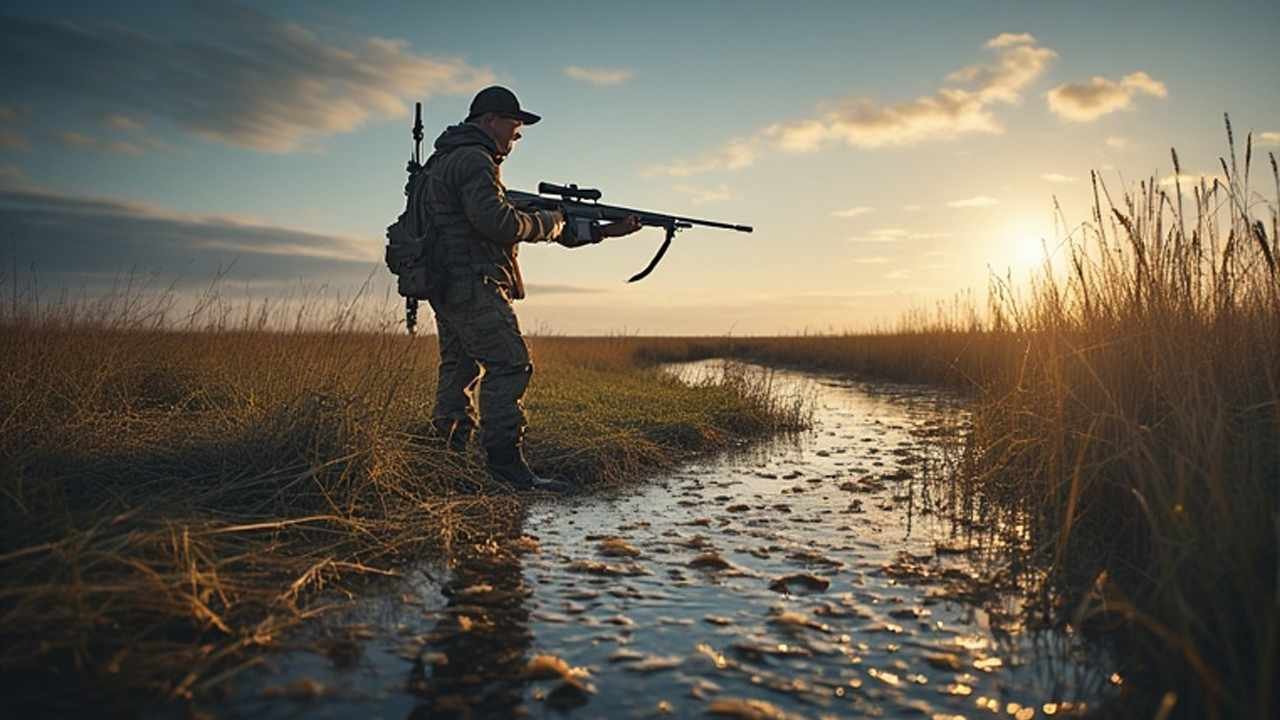
Prince Edward Island Outdoor Calendar 2026-27: Your Guide to Island Wildlife Opportunities
Prince Edward Island’s 2026–2027 hunting season opens September 1, with waterfowl seasons running from that date through January 15, 2027, and bag limits set federally under the Migratory Birds Regulations—ducks allow 6 daily, geese 5 daily (plus 5 additional Canada or Hutchins’ geese), and snipe 8 daily with a 16 possession limit. A major incentive for 2026 is that new hunters and first-time hunters can receive free hunting licenses, and the province is offering a free hunting workshop on September 12 covering firearm safety, regulations, compass use, and waterfowl techniques. Licenses became available online and at local retailers on August 25. Visitors may apply for a license but must hunt with a licensed PEI resident hunter or a registered hunting guide. Trapping regulations were also modernized for the upcoming season, with snares now prohibited on public lands and killing neck snares required for humaneness.
Prince Edward Island calls for a different hunting plan from the larger provinces. There are no vast northern wilderness areas to navigate here; instead, hunters work through a patchwork of agricultural land, wooded areas, wetlands and coastal habitat on a relatively compact island. That can make PEI appealing for hunters who prefer shorter travel distances and a more accessible style of small-game and bird hunting, while permission and access to suitable land remain important parts of the preparation.
The species available also make PEI distinctive. Rather than planning around the moose, elk or deer opportunities found in several other Canadian provinces, hunters here are more likely to focus on small game, upland birds, waterfowl and predators where seasons and regulations permit. Federal migratory bird rules and provincial hunting requirements can overlap, so checking both sets of rules is important. The 2026–2027 calendar below brings those opportunities together, while any date or regulation that remains subject to official confirmation should be verified with the responsible provincial or federal authority before your hunt.
📅 Quick Reference Points
- Ducks & sea ducks: October 1 to January 15 — a long, generous window expanded to the federal maximum of 107 days
- Woodcock: fixed dates of September 26 to December 10
- Snowshoe hare: generally open through the end of March, with snaring wrapping up by the end of February
- Ruffed grouse & Hungarian partridge: typically early September through late December
- Coyote & red fox: no closed spell on private land with permission; public-land predator work requires a fur licence
- Pheasant: only in designated release areas, roughly mid-October to the end of December
- No draws exist on PEI: no deer tags, no turkey lotteries, no moose allocations — what you need is a licence and the right stamps
- Legal methods: shotguns dominate for birds and waterfowl; rifles, rimfires and shotguns for hare and fur; non-toxic shot is mandatory for migratory birds (woodcock excepted)
- Youth opportunities: hunters aged 12–15 pay no provincial licence fee, and the federal Youth Migratory Game Bird permit is free for anyone under 18
🦌 Big Game Schedules
Let’s clear the air right away, because a lot of generic “Canadian hunting season” templates would happily tell you about archery deer and muzzleloader weeks. None of that exists on Prince Edward Island. The island simply doesn’t carry a huntable deer, moose, elk, or bear population, so there are no big-game seasons, no tag allocations, and nothing to apply for.
| Species | Status on PEI | Notes |
|---|---|---|
| Whitetail deer | No open season | Not an established huntable population |
| Moose | Not present | No archery, rifle, or muzzleloader windows |
| Elk / black bear | Not present | No tags, no draws, no game units for big game |
| Coyote (the closest thing to big-game action) | Year-round on private land | Unprotected predator; no daily limit on private property |
The closest PEI gets to a big-game pursuit is predator calling. Coyotes are scattered across the island’s farmland and woodlots, and winter coyote control is genuinely popular with locals. Grab a rabbit distress call, find a windy field edge, and you’ll quickly understand why this fills the void so well.
🦃 Turkey Schedules
There is no spring turkey season on Prince Edward Island, and no fall either. Wild turkeys simply aren’t established here — no birds, no draw, no archery gobbler tags. If you see anyone advertising a “PEI turkey hunt,” walk away; it isn’t legal.
| Species | Season | Bag Limit |
|---|---|---|
| Wild turkey | No open season | None — not present |
| Ruffed grouse (closest upland alternative) | Early Sept – late Dec (typical) | 5 per day in recent calendars |
| Ring-necked pheasant | Release areas only, Oct 15 – Dec 31 (typical) | 3 per day in recent calendars |
The good news? Upland birds more than fill that niche. Grouse numbers cycle but can be surprisingly strong, and the pheasant release program gives beginners an approachable entry point into the sport.
🦝 Furbearer Season Dates
Furbearer and predator work keeps PEI’s woods busy from fall through late winter. Most of these seasons run long, and several extend right up to the end of March — a genuine gift for hunters who can’t stand an early shutdown.
| Species | Typical Open Window | Notes |
|---|---|---|
| Eastern coyote | Through March 31 (hunting); snaring ends Feb 28 | No daily limit on private land; fur licence for public land |
| Red fox | Similar fall-to-winter windows | Unprotected on private land with permission |
| Raccoon | Through March 31 | Night hunting rules apply — check the calendar |
| Beaver | Fall – winter trapping seasons | Separate trapping licence required |
| Muskrat | Fall – spring trapping | Check zone-specific dates |
A couple of wrinkles worth knowing: most furbearer seasons pause on Sundays, so factor that into your plan, and the province’s Fur Hunting Licence — described as free — is required if you’re taking fur on public land.
🐦 Small Games Dates
This is the heart of PEI hunting. Small game here means classic Maritime quarry: grouse in the alders, hare in the spruce thickets, partridge along hedgerows. None of it requires a draw — just a licence, a shotgun or rimfire, and a good pair of boots.
| Species | Typical Open Window | Daily Bag Limit |
|---|---|---|
| Ruffed grouse | Early Sept – Dec 31 | 5 (recent calendars) |
| Hungarian partridge | Sept – Dec (typical) | Check the annual summary |
| Ring-necked pheasant | Oct 15 – Dec 31 (release areas) | 3 (recent calendars) |
| Snowshoe hare | Sept – Mar 31 (hunting); snaring ends Feb 28 | 3 per day (recent calendars) |
Note that PEI has no squirrel season and no cottontail rabbits — snowshoe hare is the rabbit-family quarry here, and its long season makes it a winter favorite.
🦆 Complete Waterfowl Seasons
Waterfowl is where Prince Edward Island truly shines. The province’s position in the Gulf of St. Lawrence puts it right in the path of Atlantic Flyway migration, and the 2026–27 federal framework delivers a notably long season — duck hunters get from October 1 all the way to January 15, a stretch that was recently extended to the maximum allowable 107 days.
| Species | Open Season (2026–27) | Daily Bag / Limits |
|---|---|---|
| Ducks & sea ducks | Oct 1 – Jan 15 | 6 per day, species sub-limits apply (e.g., max 4 eiders and 4 scoters) |
| Woodcock | Sep 26 – Dec 10 (fixed) | Check the summary |
| Geese & brant | Within the federal framework | Check the printed summary |
| Barrow’s goldeneye | Open, heavily restricted | 1 per day (special concern) |
| Harlequin duck | No open season | Protected |
Two federal requirements apply to every waterfowl hunter: a Migratory Game Bird Hunting Permit and a Canadian Wildlife Habitat Conservation Stamp, both issued by the federal government and valid nationwide. Non-toxic shot is mandatory for all migratory birds except woodcock, and several PEI species are protected outright — the harlequin duck being the big one. Most action happens on coastal marshes, tidal creeks, and farm ponds, so check the wetland zones on the season map and always confirm you’re on land you have permission to hunt.
🐗 Other Available Game
The island keeps a few extras on the table, plus a handful of honest “don’t bother” notes.
| Species | Availability | Notes |
|---|---|---|
| Coyote & red fox | Year-round on private land | Unprotected predators; no limit with permission |
| Crow / groundhogs | Check the summary | Varies by year; not a headline species |
| Sandhill crane | No season | Not huntable on PEI |
| Mourning dove | No season | No dove hunting here |
| Wild boar / squirrel | No seasons | None present |
The takeaway: PEI keeps its roster small but real. What the island lacks in variety, it makes up for in access — once you’ve got permission on a decent farm property, you’ll usually see action within a morning.
🗺️ Zones Active for Hunting
Prince Edward Island is divided into two wildlife management zones — WMZ 1 and WMZ 2 — that split the province roughly down the middle. Most hunting rules are province-wide, but zone-specific quirks can appear in fur seasons and release-area pheasant hunting, so it’s worth a two-minute look at the map. The current zone map ships with the province’s annual Hunting Summary, published by the Fish and Wildlife Division, and is also available through the official provincial hunting topic page.
One thing every first-timer should hear loudly: roughly 90% of PEI is privately owned. Public land is limited, and the unwritten law of the island is that you knock on doors, ask politely, and treat permission like gold. Trespassing is taken seriously here, so do your mapping before you knock.
🎟️ Licenses, Tags & Permits
Good news for planners: PEI keeps the licensing stack refreshingly simple — there are no tags to draw, no lottery applications, and no species-specific stamps beyond the federal waterfowl one.
| Licence / Permit | Who Needs It | Latest Published Cost |
|---|---|---|
| Provincial hunting licence | All hunters 18+ | See fee schedule below |
| Non-resident seasonal licence | Visiting hunters (18+) | About $75 |
| Non-resident 3-consecutive-day licence | Short trips (18+) | About $60 |
| Youth licence | Ages 12–15 | No fee |
| Migratory Game Bird Hunting Permit | All waterfowl hunters (federal) | Required; Youth version free |
| Canadian Wildlife Habitat Conservation Stamp | Attached to the permit above | Required |
| Fur Hunting Licence | Public-land fur hunters | Described as free |
| Wildlife Conservation Fund fee | Every licence holder | Paid with your licence |
Most adult hunters also need a firearms safety course certificate before their first licence, and every purchase includes the Wildlife Conservation Fund fee on top of the base price. The fee figures above are the latest published rates — governments being governments, they can move — so treat them as a planning guide, not gospel.
❓ Prince Edward Island (Canada) Hunting Quick FAQ
Do I need a licence to hunt on PEI?
Yes. All hunters need a valid provincial licence plus the Wildlife Conservation Fund fee, and most adults need a firearms safety certificate first. Waterfowl hunters add the federal Migratory Game Bird permit and Habitat Stamp.
Can non-residents hunt on Prince Edward Island?
Absolutely. Visitors grab a $75 seasonal licence (or the $60 three-day pass), add the same federal waterfowl stamp if birds are the target, and you’re hunting the same species under the same rules as residents.
Does PEI have a deer or moose season?
No. Neither species has an established huntable population on the island, and there are no big-game seasons, tags, or draws. PEI is a small-game, furbearer, and waterfowl destination — full stop.
Is there a spring turkey season with a draw?
There’s no turkey season of any kind — no birds, no draw, no deadline to miss. If the province ever establishes turkeys, it would announce everything in the annual Hunting Summary, so that’s the page to watch.
What can I hunt without entering any lottery?
Everything PEI offers. Grouse, partridge, pheasant, snowshoe hare, coyote, fox, ducks, geese, and woodcock are all available with a licence plus the right stamps. There isn’t a single draw system on the island.
Are there youth hunting opportunities?
Yes, and good ones. Hunters aged 12–15 skip the provincial licence fee, and anyone under 18 can get a free federal Youth Migratory Game Bird permit, which lets young hunters take their own daily limit under a mentor. Mentors need their own permit, must have held one in a previous year, and can supervise up to two youths at once.
What are shooting hours on PEI?
The standard Maritime pattern applies: half an hour before sunrise to half an hour after sunset, with most seasons closed on Sundays. The annual summary lists exact hours per species.
🔗 List of Related Guides
If you’re planning a wider Maritime trip, pairing your PEI hunt with a neighboring province is a smart move. The island’s closest neighbor offers a very different menu of big-game opportunity — head over to the New Brunswick hunting seasons guide to compare dates and draws across the bridge.
Conclusion
Prince Edward Island’s 2026–2027 schedule is a lesson in keeping things simple: no draws to enter, a small but high-quality roster of species, and some of the longest waterfowl windows in Atlantic Canada — ducks from October 1 through mid-January, woodcock with fixed dates, hare until the snow melts, and coyotes nearly year-round on private land. The federal components are locked in; the provincial small-game windows come straight from the latest published calendar, so make it a habit to double-check the current regulations, buy your permits early (the federal stamp is the one that needs advance attention), and plan responsibly with landowner permission squared away. Bookmark this page and check back each fall — we update it whenever the new Hunting Summary lands.

- Canada Hunting Youth Regulations 2026–2027: Age Requirements, Licences & Hunter Rules by Province - October 10, 2026
- Where to Hunt in Canada: Provinces, Species & Planning Guide - October 10, 2026
- Hunting Tags in Canada: Validation, Attachment and Transport Rules Every Hunter Must Know - October 5, 2026