
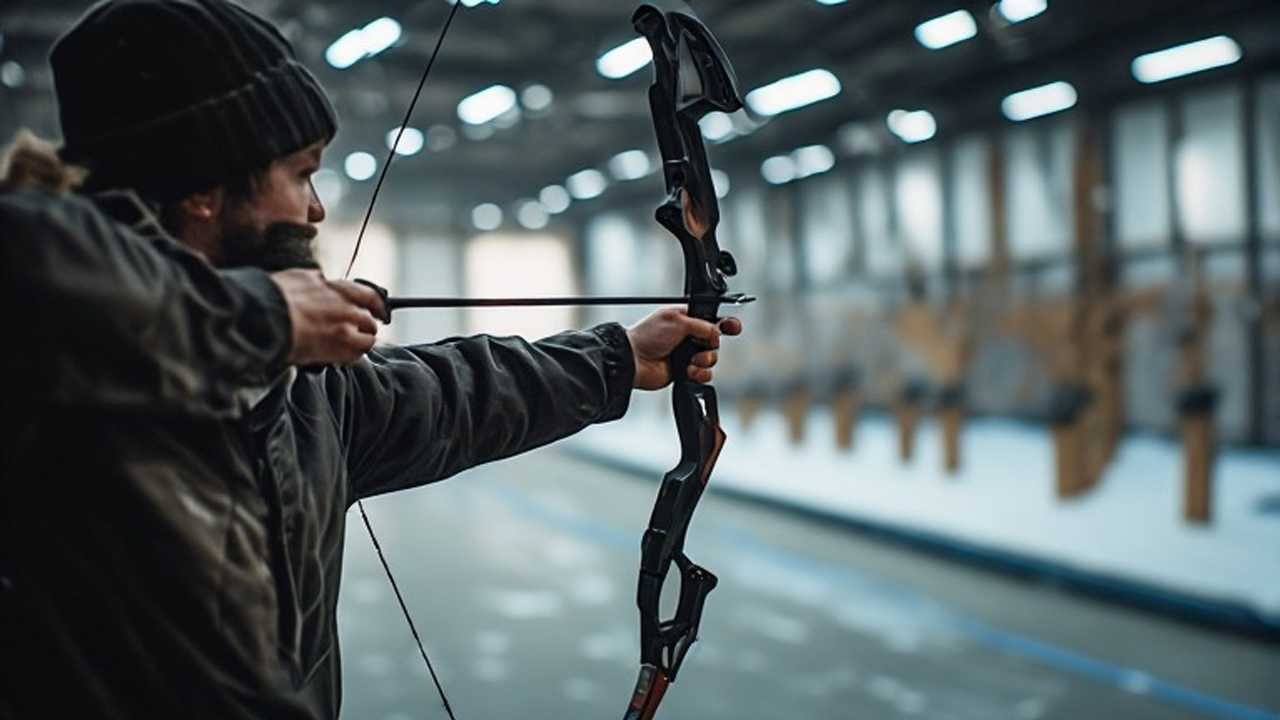
Off-Season Practice: Archery & Shooting Ranges in Canada
Off-season practice at Canadian archery and shooting ranges helps hunters and recreational athletes maintain accuracy, improve safe handling, and prepare for changing conditions before the next season begins. Indoor lanes provide controlled space for form work, sight adjustments, dry-fire education, and repeatable drills, while outdoor facilities and 3D courses add distance, terrain, wind, and realistic target angles. The best plan combines structured range sessions, equipment checks, fitness, and province-specific safety requirements.
Winter does not need to interrupt your progress. Instead, use the quieter months to correct small weaknesses before they become expensive mistakes in the field. Whether you shoot a compound bow, recurve, rifle, shotgun, or another approved sporting firearm, a practical Canadian off-season program should be safe, measurable, and matched to the facility you use.
What Canadian Shooters and Archers Want From Off-Season Training
Hunters looking for off-season range practice usually need more than a list of nearby facilities. They want to know:
| Need | Solution |
|---|---|
| A place to practise during winter | Indoor lanes, covered ranges, clubs, leagues, and 3D facilities |
| Better accuracy | Form drills, grouping exercises, sight confirmation, and realistic practice |
| Safe participation | Range etiquette, supervision, equipment checks, and legal reminders |
| Efficient training | Short sessions with clear objectives instead of unfocused shooting |
| Seasonal preparation | A month-by-month plan leading toward spring, summer, or hunting season |
| Equipment advice | What to bring, what to inspect, and what not to change unnecessarily |
| Canadian relevance | Cold-weather conditions, provincial regulations, club rules, and travel distances |
| Beginner support | Introductory lessons, rentals, coaching, and appropriate starting equipment |
The strongest approach treats the range as a training environment rather than simply a place to use ammunition or release arrows.
Indoor Archery and Firearms Ranges: Which Option Fits Your Goal?
Indoor facilities are especially valuable when snow, wind, short daylight, or unsafe outdoor conditions make practice difficult. However, not every range supports every discipline. Confirm the facility’s rules before travelling.
| Training option | Best for | Main advantages | Common limitations |
|---|---|---|---|
| Indoor archery lane | Bow setup, form, aiming, and repeatable shot cycles | Weather protection, controlled distance, coaching access | Limited distance and reduced wind practice |
| Indoor 3D archery course | Target recognition and shot planning | Adds animal-shaped targets and varied scoring zones | Course layouts and target availability vary |
| Outdoor target archery range | Distance control and tournament preparation | Longer lanes and more realistic visual conditions | Weather, daylight, and seasonal closure concerns |
| Outdoor 3D course | Bowhunting preparation | Unknown distances, uneven ground, and angled shots | Requires suitable clothing and more walking |
| Indoor rifle range | Sight confirmation and controlled marksmanship | Stable conditions and clear lane procedures | May restrict calibre, ammunition, or firearms |
| Outdoor rifle range | Practical distance and wind reading | More space and environmental variation | Weather and downrange rules require extra planning |
| Shotgun patterning range | Pellet distribution and point-of-aim checks | Shows how a load performs at selected distances | Requires approved patterning procedures and suitable targets |
| Club practice night | Skill maintenance and social accountability | Regular schedule, coaching, and peer feedback | Membership or booking conditions may apply |
| Dry-fire or movement training area | Handling, positions, and decision-making | Low-cost repetition without live ammunition | Must follow strict safety controls and a verified empty firearm |
Do not assume that a facility accepts drop-in visitors, broadhead arrows, crossbows, hunting ammunition, or every draw weight and firearm type. Call or check the facility’s current policy before attending.
How to Choose a Range for Winter and Shoulder-Season Practice
A suitable facility should match your actual training objective. A short indoor lane may be excellent for bow form but unsuitable for confirming a long-range rifle setup.
Use this selection checklist:
- Confirm the discipline: archery, rifle, shotgun, pistol, 3D, field, or mixed-use.
- Check the distance: determine whether the available lane matches your intended practice.
- Ask about equipment restrictions: broadheads, field points, crossbows, calibre limits, ammunition types, suppressors, or stabilizers may have separate rules.
- Review booking requirements: some facilities use scheduled lanes, while others offer club nights or supervised drop-in blocks.
- Check coaching availability: beginner instruction and technical assessments can save months of ineffective practice.
- Ask about rentals: new participants may not need to purchase a complete setup immediately.
- Confirm target requirements: some ranges provide paper targets, while others require participants to bring approved materials.
- Review age and supervision policies: youth participants may need a parent, guardian, coach, or trained supervisor.
- Check winter access: snow removal, reduced hours, holiday closures, and temporary maintenance can affect availability.
- Evaluate the layout: adequate lighting, safe backstops, clear firing lines, and organized retrieval procedures matter more than appearance.
- Read the range briefing: every club may use different commands, cease-fire procedures, and equipment standards.
For a wider facility search, Canadian directories can help identify clubs, commercial lanes, lessons, and provincial options. Still, verify the current information directly with the range before making a trip.
A Practical Off-Season Training Framework
Use every session for one primary purpose. Shooting hundreds of arrows or firing repeated groups without a plan can reinforce poor technique.
| Session phase | Archery focus | Firearms focus | Recommended approach |
|---|---|---|---|
| Preparation | Mobility, shoulder activation, light blank-bale work | Safe handling review, unloaded position work, visual setup | Start slowly and identify physical or technical limitations |
| Technical block | Grip, anchor, release, follow-through | Sight picture, trigger control, breathing, stable position | Use low-pressure repetitions |
| Accuracy block | Grouping at a manageable distance | Three- to five-shot groups with deliberate recovery | Record results instead of chasing individual shots |
| Pressure block | Timed ends, varied target faces, or scoring | Position changes, controlled transitions, or qualification-style strings | Add pressure only after mechanics remain consistent |
| Review | Note group movement and fatigue | Record point of aim, group size, and conditions | Finish with one adjustment, not five |
| Maintenance | Inspect equipment and store it correctly | Unload, secure, clean as permitted, and document issues | Leave the setup ready for the next session |
The 60-Minute Archery Session
- 10 minutes: General warm-up and shoulder mobility.
- 10 minutes: Blank-bale or close-range form work without chasing score.
- 15 minutes: Controlled groups at a comfortable distance.
- 10 minutes: One technical focus, such as anchor consistency or release timing.
- 10 minutes: Scoring or 3D-style practice.
- 5 minutes: Record group position, fatigue, and equipment observations.
The 60-Minute Firearms Range Session
- 10 minutes: Safety briefing, equipment inspection, and unloaded handling review.
- 10 minutes: Slow, deliberate fundamentals with the approved setup.
- 15 minutes: Small groups from a stable position.
- 10 minutes: One controlled variation, such as a different supported position or distance where permitted.
- 10 minutes: Confirmation group using the same sight and ammunition setup.
- 5 minutes: Record results and complete the range’s closing procedure.
Follow the range officer’s instructions at all times. A personal training plan never overrides facility commands.
Archery Drills for the Indoor Season
Indoor practice works best when you focus on repeatability rather than maximum distance.
| Drill | How to perform it | What to measure |
|---|---|---|
| Close-range form sequence | Shoot at a safe, short distance with attention on posture and follow-through | Consistent anchor and relaxed bow hand |
| Blank-face repetition | Use a plain target face to reduce aiming distraction | Smooth draw, expansion, and release |
| Group-centre drill | Shoot small ends and assess the centre of each group | Group location rather than one lucky arrow |
| Deliberate pause drill | Pause briefly at full draw only if comfortable and safe | Stability without excessive fatigue |
| 3D scoring round | Shoot foam targets using the facility’s scoring rules | Decision-making and target-zone awareness |
| Distance-change drill | Move between approved distances while maintaining the same process | Sight memory and setup consistency |
| Weak-side awareness drill | Practise stance and body alignment without forcing uncomfortable positions | Balance and repeatable alignment |
| Fatigue-control drill | Stop when technique deteriorates, then document the point of decline | Sustainable session length |
Bow Equipment Checks During the Quiet Months
Use the off-season to inspect and document your setup:
- Examine strings and cables for excessive wear or broken strands.
- Check servings, peep alignment, nocking points, and D-loop condition.
- Inspect limbs, cams, riser, rest, sight, and stabilizer for damage.
- Confirm that arrows match the bow and remain straight.
- Replace damaged nocks and inspect fletching.
- Check broadhead alignment separately from indoor field-point practice.
- Avoid changing draw weight, draw length, rest position, and sight settings simultaneously.
- Ask a qualified technician to inspect unfamiliar problems.
- Record your verified settings before making changes.
- Store arrows in a rigid tube or suitable case during transport.
If you participate in 3D events, prepare additional items such as an arrow puller, spare arrows, a scoring pencil, footwear with good grip, water, and weather-appropriate layers.
Firearms Practice Priorities for Canadian Range Users
Firearms training requires a stronger emphasis on legal compliance and supervision. The exact requirements can depend on the firearm, license status, transport circumstances, range rules, and province or territory.
Before attending:
- Confirm that your license and membership documents are current where required.
- Use only firearms and ammunition permitted by the facility.
- Transport and store firearms according to current Canadian requirements.
- Keep firearms unloaded unless the range procedure specifically directs otherwise.
- Use a suitable case or container as required by law and facility policy.
- Keep ammunition separate when required.
- Follow all range commands immediately.
- Keep the muzzle pointed in a safe direction.
- Keep your finger outside the trigger guard until ready to fire under the range’s procedure.
- Wear eye and hearing protection.
- Do not handle firearms during a ceasefire.
- Ask the range officer before retrieving targets or crossing a firing line.
- Stop immediately if you notice a suspected malfunction or unsafe condition.
- Never mix alcohol, recreational drugs, and range activity.
- Do not use unfamiliar ammunition simply because it is cheaper or more available.
- Record the firearm, ammunition, distance, weather, and group results after each session.
For current federal information on firearms licensing, transportation, storage, and related responsibilities, review the Government of Canada firearms information before planning a session. Facility rules can be stricter than general legal requirements, so read both.
A Four-Month Canadian Off-Season Calendar
The most useful calendar gradually moves from technical rebuilding to realistic preparation.
| Month | Primary objective | Archery activities | Firearms activities | Equipment tasks |
|---|---|---|---|---|
| Month 1 | Rebuild consistency | Close-range form, light scoring, basic alignment | Safety review, stable positions, slow groups | Inspect, clean, repair, and document settings |
| Month 2 | Improve repeatability | Group-centre drills, controlled distance changes | Trigger control, sight picture, repeatable groups | Replace worn consumables and confirm fit |
| Month 3 | Add realistic pressure | 3D targets, timed ends, varied target zones | Controlled qualification-style strings where permitted | Test approved hunting or competition configuration |
| Month 4 | Prepare for the season | Outdoor distance, uneven ground, wind awareness | Confirm zero or point of aim under suitable conditions | Pack, label, and check all required equipment |
Weekly Schedule Example
- Monday: Mobility, strength, and unloaded technical rehearsal.
- Tuesday: Indoor archery fundamentals or dry-fire practice under safe conditions.
- Wednesday: Rest, equipment inspection, or coaching review.
- Thursday: Live range session focused on accuracy.
- Friday: Mobility and light conditioning.
- Saturday: 3D course, club practice, or supervised outdoor session when conditions allow.
- Sunday: Review scores, clean permitted equipment, and plan the next week.
Avoid training hard every day. Recovery improves consistency, especially for shoulders, elbows, wrists, neck, and lower back.
Indoor Range Versus Outdoor Range
| Factor | Indoor facility | Outdoor facility |
|---|---|---|
| Weather | Controlled | Variable and sometimes severe |
| Lighting | Usually consistent | Changes with cloud, snow, and time of day |
| Wind | Limited or absent | Important for arrows, bullets, and judgment |
| Distance | Often restricted | Usually more flexible |
| Surface | Flat and predictable | May include slopes, mud, snow, and uneven ground |
| Clothing | Light and simple | Requires layered, breathable, weather-resistant clothing |
| Skill emphasis | Mechanics and repeatability | Adaptation and environmental reading |
| Best timing | Deep winter and poor-weather days | Spring through autumn or safe winter windows |
| Main risk | Overconfidence in perfect conditions | Fatigue, cold, poor footing, and changing visibility |
A balanced plan uses indoor practice for technical corrections and outdoor practice for environmental adaptation. One cannot fully replace the other.
Cold-Weather Range Preparation
Canadian winters create practical challenges beyond temperature. Cold fingers, bulky gloves, frozen equipment, snow glare, and stiff clothing can affect performance.
Prepare with the following checklist:
- Dress in layers that preserve shoulder and elbow movement.
- Use footwear with insulation and reliable traction.
- Bring spare gloves rather than relying on one pair.
- Keep fingers warm without allowing clothing to interfere with safe handling.
- Protect optics and electronic devices from condensation.
- Allow equipment to adjust gradually when moving between warm and cold spaces.
- Avoid making major sight or tuning decisions while equipment is wet or excessively cold.
- Bring water because cold weather still contributes to dehydration.
- Use a headlamp or reflective clothing when daylight is short.
- Check access roads and parking conditions before travelling.
- Leave the session early if visibility, footing, or temperature becomes unsafe.
For hunters who are moving from practice into a complete preparation routine, a Canadian pre-season hunting checklist can help organize licenses, clothing, transportation, equipment, and field supplies.
Common Off-Season Practice Mistakes
- Shooting for volume instead of quality: More repetitions do not help when fatigue changes technique.
- Changing too many variables: Use one adjustment at a time so you know what improved or worsened performance.
- Ignoring the first signs of pain: Stop and seek qualified advice rather than pushing through sharp or persistent pain.
- Practising only at one distance: Controlled variety prepares you for real decisions.
- Skipping coaching: An experienced coach or range officer may identify a fault that photographs and scorecards miss.
- Using unsuitable equipment indoors: Check whether the facility permits your target type, arrow point, firearm, or ammunition.
- Treating indoor results as field results: Wind, slopes, clothing, and uneven ground change performance.
- Neglecting transport and storage rules: Legal and facility requirements should be checked before every trip.
- Failing to record progress: A simple log makes improvement visible and reduces guesswork.
- Waiting until opening day: Last-minute practice increases pressure and exposes weaknesses too late.
How to Track Improvement
A good training log does not need to be complicated. Record:
| Category | Examples |
|---|---|
| Date and facility | Indoor lane, outdoor range, club night, or 3D course |
| Equipment | Bow setup, arrow type, firearm, sight, ammunition |
| Conditions | Temperature, wind, light, snow, or indoor lighting |
| Session goal | Form, grouping, sight confirmation, position, or scoring |
| Result | Group size, score, spread, or technical observation |
| Physical condition | Fresh, tired, sore, stiff, or distracted |
| Next action | Keep settings, seek coaching, inspect equipment, or reduce volume |
Look for trends over several sessions. One poor group may reflect fatigue, lighting, or a technical error. A repeated pattern deserves attention.
Frequently Asked Questions
Can I practise archery indoors throughout the Canadian winter?
Often, yes. Many clubs and commercial facilities operate indoor programs during colder months, but schedules, distances, equipment rules, and membership requirements vary. Confirm hours and permitted arrow types before attending.
Is indoor archery enough to prepare for bowhunting?
No. Indoor practice is excellent for form, release control, aiming, and repeatability. However, outdoor 3D and field sessions add wind, uneven terrain, unknown distances, changing light, and realistic target angles.
How often should I visit a shooting range during the off-season?
For many recreational users, one focused session each week or every two weeks is more productive than occasional high-volume days. The ideal schedule depends on experience, budget, physical recovery, and the specific goal.
Do I need to own a bow before joining an archery club?
Not always. Some clubs and commercial ranges offer rentals, introductory lessons, or shared equipment. Ask about draw weights, arrow fitting, safety instruction, and whether a coach must supervise first-time participants.
Can I bring hunting ammunition to any Canadian shooting range?
No. Facilities may restrict ammunition based on backstop design, projectile type, calibre, noise, or environmental rules. Confirm the permitted ammunition list before you travel.
What should I do if my bow or firearm setup feels inconsistent?
Stop making random adjustments. Record the symptoms, inspect the equipment, and ask a qualified technician, coach, or range professional to assess the setup. A controlled diagnosis is safer than changing several components at once.
Is dry-fire practice useful during the off-season?
It can be useful for certain handling and movement skills when performed with strict safety controls and an appropriate training method. For firearms, follow qualified instruction and verify that the firearm is unloaded and safely configured. Never rely on assumptions.
Are Canadian range rules the same in every province?
No. Provincial and territorial rules, municipal restrictions, club policies, membership requirements, and facility procedures can differ. Review the current requirements that apply to your location and equipment.
Final Takeaway
Off-season practice works when each session has a clear purpose. Use indoor facilities to rebuild technique, outdoor ranges to test adaptation, and 3D courses to make archery decisions more realistic. Then support that range time with equipment inspections, physical conditioning, safety reviews, and a simple progress log.
The goal is not to shoot the most. The goal is to arrive at the next season with reliable mechanics, familiar equipment, and calm decision-making.

- Canada Hunting Youth Regulations 2026–2027: Age Requirements, Licences & Hunter Rules by Province - October 10, 2026
- Where to Hunt in Canada: Provinces, Species & Planning Guide - October 10, 2026
- Hunting Tags in Canada: Validation, Attachment and Transport Rules Every Hunter Must Know - October 5, 2026