Canada Hunting Baiting Laws 2026–2027: Where Baiting Is Legal & Illegal in Every Province
Canada has no single baiting law — each of the 13 provinces and territories writes its own rules, and legality splits by species, by region, and often by wildlife management zone. In 2026–2027, black bear baiting is legal and regulated in Ontario, Quebec, New Brunswick, Nova Scotia, Saskatchewan, Manitoba, and parts of Alberta, while British Columbia, the Northwest Territories, and the Yukon ban it outright. Deer and moose baiting flips the script: it is largely legal in Ontario and Nova Scotia, partially legal in British Columbia outside the Kootenay region, and illegal or tightly restricted in Alberta, Saskatchewan, and most prairie jurisdictions. Chronic wasting disease (CWD) feeding bans now override several traditional baiting allowances, so the smartest move any hunter can make this season is to check the provincial summary before pouring a single bag of apples.
If that quick sweep raised more questions than it answered, you’re in the right place. I’ve walked the same trap lines you have — burning an early Saturday morning scrolling through government PDFs only to find one province’s rule quietly changed over the winter. This guide is the shortcut I wish I’d had: a straight-talking, province-by-province breakdown of what counts as legal bait, what gets you cited, and where those CWD feeding bans will get you in trouble even when baiting itself is “allowed.” No fluff, no guesswork — just the rules, the distances, and the fines, laid out in lists and tables you can actually read from a treestand.
Why One Rule Can’t Cover a Country This Wide
Hunting regulations in Canada are provincial jurisdiction, with a federal overlay for migratory birds. That means four layers of law apply to a single bait pile: the provincial Wildlife Act, provincial park or Crown land rules, federal Migratory Birds Regulations, and municipal animal-feeding bylaws. Consequently, “legal over here, illegal 200 kilometres away” is normal, not an exception.
Baiting here means placing food, minerals, scents, or decoys to attract an animal into shooting range. Feeding means leaving attractants without hunting intent. Several provinces criminalize one but tolerate the other, and CWD containment zones increasingly ban both.
Master Comparison Table: Baiting by Jurisdiction and Species (2026–2027)
| Province / Territory | Black Bear | Deer | Moose / Elk | Game Birds & Turkeys | Signature Restriction |
|---|---|---|---|---|---|
| Alberta | ✔ Legal (selected WMUs only) | ✖ Illegal | ✖ Illegal | ✖ Illegal | No bait in parks; full cleanup required |
| British Columbia | ✖ Illegal | ⚠ Legal outside Kootenay + 200 m rules | ⚠ Generally legal, Kootenay banned | ⚠ Kootenay turkey banned | Bear and waterfowl baiting banned province-wide |
| Saskatchewan | ✔ Legal (spring, after Mar 1 on Crown land) | ✖ Illegal | ✖ Illegal | ✖ Illegal | Prohibited materials list enforced |
| Manitoba | ✔ Legal | ⚠ Restricted | ⚠ Restricted | ✖ Illegal | Bait stations must be inconspicuous |
| Ontario | ✔ Legal | ✔ Legal | ✖ Illegal (moose/elk) | ⚠ Zone-specific | Natural cervid attractants banned |
| Quebec | ✔ Legal | ✖ Illegal | ✖ Illegal | ✖ Illegal | Food-bait windows blocked in summer |
| New Brunswick | ✔ Legal | ⚠ Check zone summary | ✖ Illegal | ✖ Illegal | 300 ft firearm rule near baited areas |
| Nova Scotia | ✔ Legal (spring over bait) | ✔ Legal | ✖ Illegal | ✖ Illegal | Bait-site registration no longer required |
| Prince Edward Island | No bear population | ⚠ No published framework | No moose/elk herd | ✖ Illegal | Federal bird rules apply |
| Newfoundland & Labrador | ✖ Illegal (spot/stalk + snaring) | ✖ Illegal | ✖ Illegal | ✖ Illegal | 400 m federal bait setback for birds |
| Northwest Territories | ✖ Illegal | ✖ Illegal | ✖ Illegal | ✖ Illegal | Spot-and-stalk only |
| Yukon | ✖ Illegal | ✖ Illegal | ✖ Illegal | ✖ Illegal | No sport-baiting framework |
| Nunavut | ✖ Illegal (Inuit-guided harvests) | ✖ Illegal | ✖ Illegal | ✖ Illegal | Conservation-oriented harvest regime |
✔ legal · ✖ prohibited · ⚠ legal with conditions — every entry must be cross-checked against the current provincial summary because WMU boundaries shift annually.
Province-by-Province Baiting Rules
Alberta: Bear Baiting Yes, Everything Else No
Alberta is the strictest western province for good reason. Alberta Hunting Regulations make it unlawful to set out bait for any big game except black bears — deer, moose, and elk are completely off the table, and hunting game birds, including wild turkey, over bait is equally barred.
- Black bear baiting is allowed only in designated Wildlife Management Units (322, 330–338, 348, 358–360, 500–506, 509–510, 512–520, 522–523, 529–536, 539–544, plus portions of roughly ten others).
- Feeding black bears, grizzlies, cougars, wolves, or coyotes is illegal unless you are actively hunting where baiting is permitted.
- Baiting of all wildlife is banned inside provincial parks, provincial recreation areas, and wildland provincial parks, with narrow exceptions for registered trappers (RFMA holders) and historically authorized guides.
- Livestock that did not die through proper slaughter cannot be used as bear bait — disposal rules under the Environmental Protection and Enhancement Act apply.
- All bait containers, wrappings, and residue must be removed, and every bait site must be cleaned immediately after the season closes.
- Keep bait away from active work sites; don’t place it near dwellings without landowner approval.
Spring 2027 black bear seasons run April 1–June 15 or June 30 depending on WMU, with a general fall season from September 1–November 30. Penalties for baiting offences stack up fast: fines, hunting license suspensions of 1–3 years, and up to five years or more for serious convictions.
British Columbia: The Ungulate Exception with a Kootenay Catch
British Columbia is the mirror image of Alberta. The province allows baiting ungulates in open season — a rarity in Canada — but prohibits bait for bears and migratory game birds everywhere. The Government of BC hunting FAQ is explicit: the only species where bait for hunting is prohibited are bear and migratory game birds.
- Kootenay region: total ban on baiting or feeding ungulates and turkey — a CWD-driven rule introduced in 2020 that covers moose, deer, goats, sheep, and elk.
- West Coast region: no baiting or feeding of ungulates or turkey within 200 metres of a dwelling, school yard, or playground.
- Thompson, Cariboo, and Okanagan regions, plus Haida Gwaii (Management Units 6–12 and 6–13): same 200-metre setback for ungulate baiting.
- Mineral and salt licks count as bait in restricted regions — a common citation point.
In short, if you’re hunting deer east of the Rockies in BC, check your region map first. If you’re hunting black bear anywhere in BC, plan a spot-and-stalk or hound-free hike, because the bait bucket stays home.
Saskatchewan: Spring Bear Baiting, Strictly Timed
Saskatchewan treats black bears differently from everything else. The 2026 Spring Black Bear Supplement confirms that on Crown land, bait cannot be placed before March 1 for spring bear hunting, and a defined list of prohibited materials is enforced at every station.
- Big-game baiting for white-tailed deer, mule deer, elk, and moose is not permitted — those species are pursued by still-hunting, calling, and field spotting.
- Bear baiting is legal with a valid licence, and the province’s outfitting industry runs heavy spring operations.
- Bait placement on private land requires landowner permission, and all stations must be cleaned up after the season.
- The big-game draw system handles deer, elk, moose, pronghorn, and antelope tags — none of which can be hunted over bait.
Pair a Saskatchewan hunt with the province’s big game seasons to line up legal dates before you book an outfitter.
Manitoba: Bear Stations with a Low Profile
Manitoba’s 2026 Hunting Guide dedicates real space to baiting protocol, which tells you how central bear baiting is to the province’s hunting culture.
- Black bear baiting is legal — Manitoba is one of North America’s classic spring bear provinces.
- Bait stations must be inconspicuous — not visible from a trail — and the guide spells out approved setups, including covered ground pits.
- All baiting regulations in the guide apply to bear hunting specifically; deer, elk, and moose baiting does not enjoy the same allowance.
- Hunters must follow Game Hunting Area rules, and non-residents generally need an outfitter or guide for big game.
Ontario: Deer Baiting Is Legal — but Read the Attractant Ban
Ontario is the most bait-friendly province in the country for whitetails, and its hunters take full advantage. The Ontario Hunting Regulations Summary confirms you can hunt deer over bait — but it carries one of the strictest attractant rules in Canada:
- Illegal to use or possess any product containing the faeces, urine, blood, gland oil, or saliva of any cervid — deer, moose, elk, or woodland caribou. Only synthetic or plant-based products are lawful.
- Do not bring bait or feed from outside Ontario — importing it risks spreading chronic wasting disease, and local feed supports local farmers.
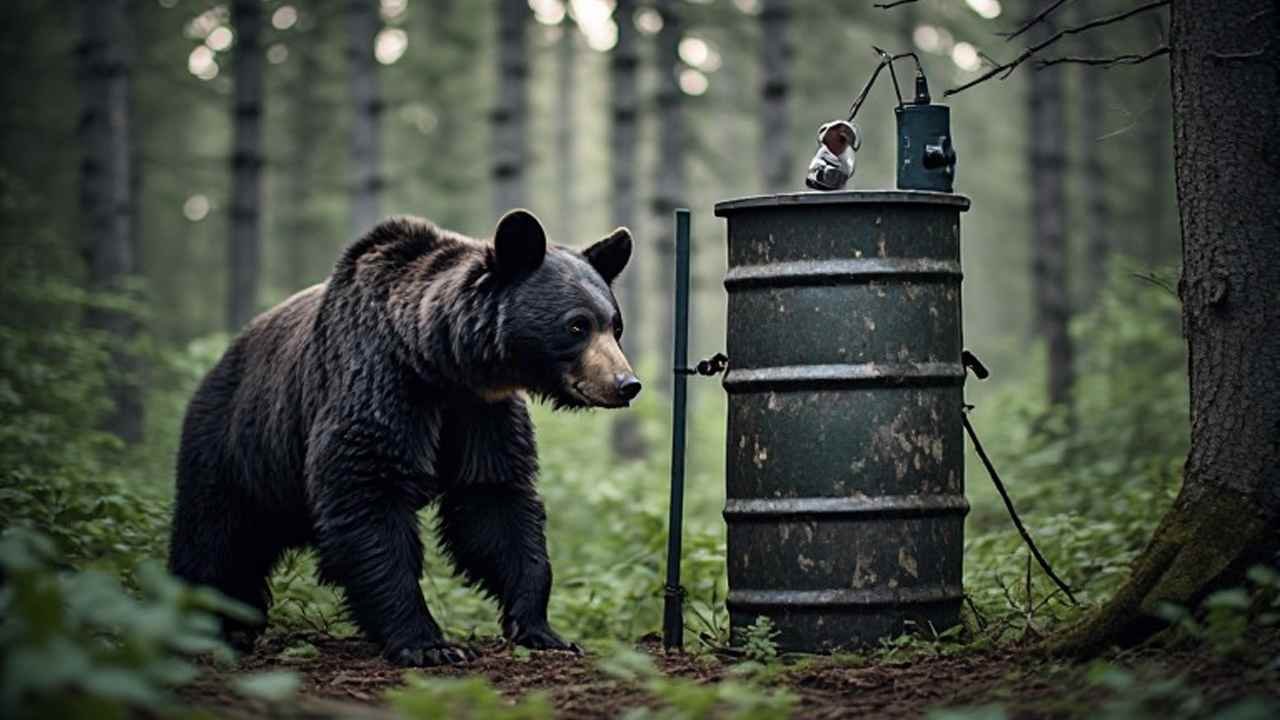
- Black bear baiting is legal under the licensed bait-station system used across the province’s bear management areas.
- Moose and elk baiting is not permitted; the cervid-attractant ban plus zone rules close that door.
- A new financial surcharge takes effect July 1, 2026 for hunters who fail to report on consecutive occasions — a reminder that baiting compliance and harvest reporting go hand in hand.
Quebec: Two Bears, Two Seasons, and Summer Bait Windows
Quebec’s approach to black bear baiting is generous but precisely timed. The provincial government allows two black bears per year — one in the spring across most zones, and one in the fall in designated zones (1, 4, 5, 6, 8–12, 15, 19, 23, 24, 26, western 27, and 29).
The catch is the food-bait windows:
- July 1 to August 15: food bait prohibited in zones 16, 17, 19, the western portion of zone 27, and zone 29.
- July 1 to August 31: food bait prohibited in zones 1–15, 18, 26, the eastern portion of zone 27, and zone 28.
These windows force bears back to natural foraging during summer and keep bait sites from becoming dependency zones. Outside those dates, standard baiting rules apply, along with fluorescent orange requirements, mandatory game registration within 48 hours, and licence-carry rules.
New Brunswick: A Bear-Baiting Heartland with a 300-Foot Rule
New Brunswick is synonymous with spring black bear hunting over bait — outfitters maintain hundreds of stations across the province. The Wildlife Act, however, draws a hard line around them:
- No person may attempt to take or kill a black bear, or possess or control a firearm, within 300 feet of a baited area — the classic “you can’t just show up and shoot over someone else’s pile” rule.
- Bear bait sites operate under the licensed hunting framework; hunters need a valid bear licence and must follow bait-type and setback rules.
- Deer baiting is not broadly sanctioned the way it is in Ontario — the province’s regulations focus the bait allowance on bears, so treat deer baiting as prohibited unless your zone summary says otherwise.
- New Brunswick’s bear season structure and bag limits shift by region, so consult the current summary before spring booking.
Nova Scotia: Deer and Bear Baiting, Registration Dropped
Nova Scotia quietly became one of the more permissive maritime provinces. The Department of Natural Resources confirms there is no longer a requirement to register bear bait sites or to hunt only at a registered site.
- Deer baiting is permitted — hunters routinely set apple and corn piles during the fall season.
- Black bear baiting is legal, with spring hunts traditionally conducted over bait and fall hunts often shifting to spot-and-stalk.
- Wildlife Act penalties apply for bait-related offences, and municipal bylaws — like Colchester County’s deer-feeding bylaw — can override provincial allowances, so check local rules on private land.
Prince Edward Island: Leave the Bait Bucket Home
PEI has no black bear population, no moose herd, and a small, tightly managed deer herd. The province offers no published big-game baiting framework — deer hunting here means garden-style drives, standing, and still-hunting with limited antlerless permits in select zones.
- Baiting of game birds falls under the federal Migratory Birds Regulations, which prohibit hunting over bait and require baited areas to sit unused for a set period.
- The Wildlife Conservation Fund fee and a valid hunting license are mandatory; check the PEI hunting summary for any seasonal tweaks.
Newfoundland and Labrador: No Bait, No Exceptions
Newfoundland and Labrador keeps big-game hunting clean — baiting for moose, caribou, and black bear is outside the legal framework. Moose hunters rely on calling and still-hunting along cutlines; caribou hunting is quota-based and strictly regulated; and black bear is pursued by spot-and-stalk or, in some areas, legal snaring under a big-game licence.
- A federal rule prohibits hunting migratory game birds within 400 metres of any place where bait has been deposited unless the site has been free of bait for at least seven days.
- Non-residents must book a licensed outfitter or a resident guide for most big-game hunts.
Northwest Territories, Yukon & Nunavut: The Far North Says No
The territories are conservation-first jurisdictions where baiting simply doesn’t fit the management model.
- Northwest Territories: bear hunting is spot-and-stalk only — baiting is illegal, and non-resident hunts are confined to designated areas west of the Mackenzie River.
- Yukon: the Wildlife Act provides no baiting allowance for sport hunters; sheep, goat, moose, and bear hunts are all mobile, glass-and-stalk affairs.
- Nunavut: the harvest regime centres on Inuit subsistence rights and guided polar bear hunts conducted by dog team; there is no resident or non-resident baiting framework for big game.
How CWD Feeding Bans Override Baiting Rules
Chronic wasting disease has become the wildcard of the 2026–2027 season. Even where baiting is legal on paper, CWD containment zones routinely impose blanket feeding and baiting bans:
- BC’s Kootenay region banned ungulate feeding outright in 2020 as a disease-transmission barrier.
- Ontario bans out-of-province bait and all natural cervid attractants to keep CWD out of the province.
- Alberta and Saskatchewan run active CWD surveillance and can close baiting windows in affected WMUs at short notice.
Before any hunt, check the CWD zone map — one bait pile in the wrong WMU can cost you your licence and your meat.
Penalties for Baiting Violations: A Quick Reference List
| Offence level | Typical consequence (varies by province) |
|---|---|
| Minor baiting infraction (no wildlife harmed) | $100–$500 fine, bait confiscated |
| Baiting a prohibited species during open season | Fine up to $5,000, licence suspension |
| Baiting inside a CWD feeding-ban zone | Fine plus mandatory CWD testing orders |
| Repeat or aggravated offence | Licence suspension 1–3 years, up to 5+ in Alberta |
| Hunting over bait while in possession of firearm near baited site (NB) | Separate firearm offence, additional fines |
Five Mistakes That Get Hunters Cited
- Hunting an old bear bait site after the season — Alberta requires immediate cleanup; leftover bait is an offence.
- Using real deer urine in Ontario — possession alone is illegal, even unopened.
- Baiting deer in the Kootenay region — the ban covers all ungulates, minerals included.
- Setting bait before March 1 on Saskatchewan Crown land — the spring bear calendar is non-negotiable.
- Ignoring the 200-metre dwelling rule in BC — a school yard or playground setback is measured from the bait, not from your stand.
Frequently Asked Questions
Is bear baiting legal in every Canadian province?
No. It’s legal with conditions in Alberta (selected WMUs only), Saskatchewan, Manitoba, Ontario, Quebec, New Brunswick, and Nova Scotia. It’s prohibited in British Columbia, the Northwest Territories, and the Yukon, with no framework in Newfoundland and Labrador, PEI, or Nunavut.
Can I hunt deer over bait in Canada?
Only in specific places. Ontario and Nova Scotia permit deer baiting; British Columbia allows it outside the Kootenay region with setback rules; Alberta, Saskatchewan, and Quebec prohibit it for big game. Always verify your zone.
Are food plots and mineral licks considered bait?
Yes, in most jurisdictions. British Columbia’s Kootenay ban explicitly includes human-made salt and mineral stations, and Alberta treats mineral sites, bait, and food plots alike — all illegal for big-game hunting.
What is the penalty for illegal baiting in Canada?
Fines range from a few hundred dollars to over $5,000, with licence suspensions of 1–3 years typical for serious offences, and longer suspensions possible in Alberta. Federal migratory-bird bait violations add their own penalty track.
Do CWD rules change baiting laws?
Absolutely. Provincial CWD feeding bans override baiting allowances in affected zones. Ontario’s out-of-province bait ban and BC’s Kootenay ungulate-feeding ban are the clearest examples.
The Bottom Line for 2026–2027
Read the zone map, read the CWD notices, and read the summary — in that order. A legal setup in one WMU can be a court date 30 kilometres down the road, and this season’s rules changed in several provinces. When in doubt, leave the bait at home and still-hunt; it’s the one method no province has ever banned.

- Canada Hunting Youth Regulations 2026–2027: Age Requirements, Licences & Hunter Rules by Province - October 10, 2026
- Where to Hunt in Canada: Provinces, Species & Planning Guide - October 10, 2026
- Hunting Tags in Canada: Validation, Attachment and Transport Rules Every Hunter Must Know - October 5, 2026