Hunter Orange in Canada: Provincial Rules Hunters Need to Know
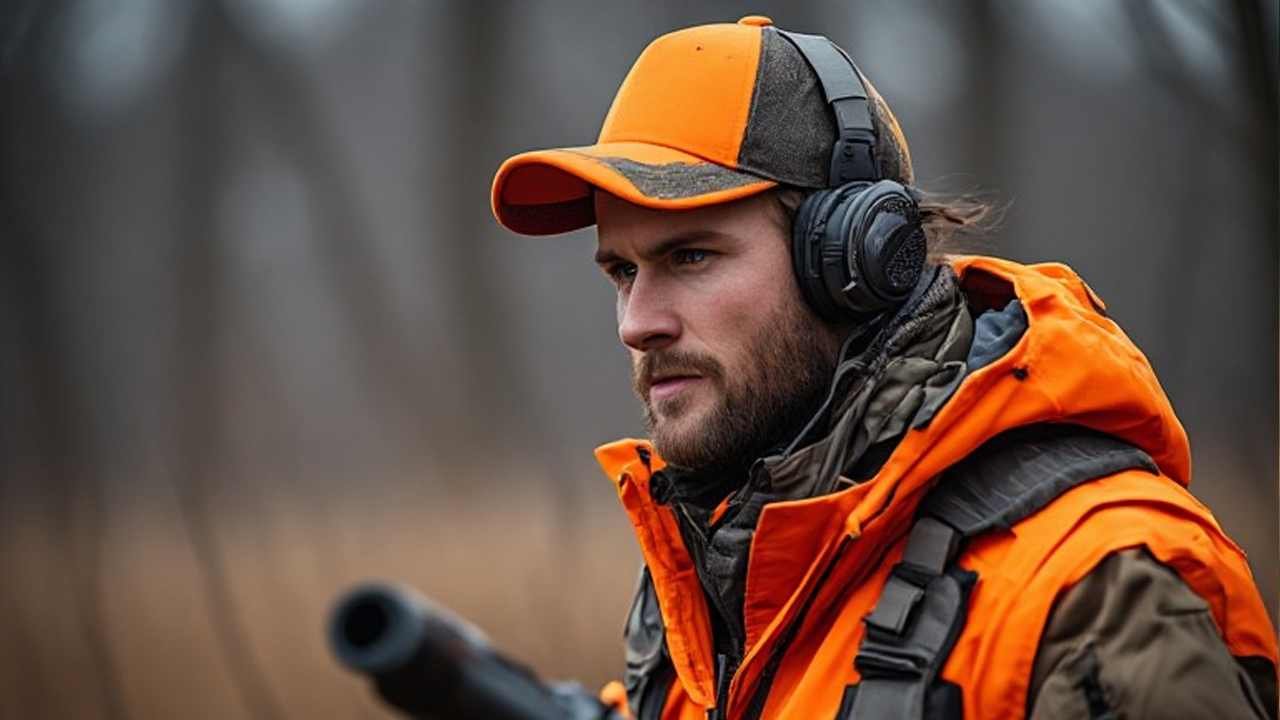
Canada does not have one national hunter orange law. Instead, each province and territory writes its own visibility rules, and they range from full legal mandates to simple recommendations. In Ontario, a hunter in the deer, elk, or moose gun season must wear at least 400 square inches (2,580 cm²) of solid orange above the waist plus a head cover, while Alberta and British Columbia impose no clothing-colour rule at all. That gap surprises a lot of hunters who travel between provinces.
Most provinces require solid, daylight-fluorescent orange on the chest, back, and head during firearm seasons for big game, and most exempt archery-only hunters, waterfowl hunters, and shooters in elevated stands. However, the details — square centimetres, camouflage percentages, approved colours, and whether you personally must comply — change from border to border. Because a fine can follow a single misread page, this guide pulls the current rules for all 13 jurisdictions into one place, then breaks down exemptions and gear so you can pack correctly before opening day.
The Canadian Hunter Orange Rules at a Glance
The table below summarises whether each jurisdiction mandates high-visibility clothing, how much is required, and how the garment must be built. Treat it as a planning reference, then confirm against the official annual synopsis for your province, since fines and seasons update every year.
| Jurisdiction | Mandatory? | Minimum amount | Garment rules | Main exemptions |
|---|---|---|---|---|
| Ontario | Yes | 400 sq in (2,580 cm²) above waist | Solid, no mesh/camo orange, visible all sides, plus head cover | Archery-only seasons, migratory birds, cormorants, bear hunters in a tree stand |
| Quebec | Yes | 400 sq in (2,580 cm²) on back, shoulders, chest | Fluorescent orange, always visible | Archery deer/moose, migratory birds and crow |
| New Brunswick | Yes | 400 sq in (2,580 cm²) | Jacket/vest visible all directions, plus solid orange hat; camo needs 50% orange | Waterfowl; bow/crossbow deer hunters in a stand or blind during archery season |
| Nova Scotia | Yes | A hat plus shirt and vest/coat | Orange or camouflage orange, plainly visible from all sides | Some species and seasons; crossbow hunters still need orange |
| Manitoba | Yes | 2,580 cm² above waist plus a solid orange hat | Camo garment must be 50% daylight fluorescent orange | Bow seasons/areas, spring bear and wolf, wolves outside other big-game seasons |
| Saskatchewan | Yes | Full outer suit from waist up | Scarlet, bright yellow, blaze orange, white (or mix); vests alone don’t qualify; headwear required (not white) | Archery and muzzleloader seasons |
| Newfoundland & Labrador | Recommended | 400 sq in (2,580 cm²) above waist | Solid orange clothing plus head cover | Framed as best practice, not a hard rule — verify the current guide |
| Prince Edward Island | Recommended | Not specified | Upland hunters encouraged to wear orange | Not a legal requirement for upland game |
| British Columbia | No | — | No colour requirement | Always voluntary |
| Alberta | No | — | No colour requirement | Always voluntary |
| Yukon | No | — | No colour requirement | Voluntary; recommended in high-traffic areas |
| Northwest Territories | Recommended | Not specified | Upland and big game hunters strongly advised | Not a hard legal rule |
| Nunavut | No | — | No formal colour requirement | Voluntary |
How to Read the Rules Without Getting Fined
The pattern across the country is simple. Firearm seasons trigger the strictest visibility rules because a rifle bullet travels far and a misidentified shape is fatal. Archery seasons relax the rules because bowhunters work at close range and need concealment. Consequently, if you chase whitetail with a bow in October and then switch to a rifle in November, your clothing obligations can flip overnight.
Two more points matter for planning. First, the unit of measure is often square centimetres, not square inches, so a “400 sq in” vest and a “2,580 cm²” vest are the same thing — don’t be fooled by the numbers. Second, some provinces accept patterns while others demand solid fabric. Ontario, for example, refuses open mesh and camouflage orange entirely, whereas Manitoba and New Brunswick allow camouflage as long as at least 50% of the material is daylight fluorescent orange.
| Rule type | What it usually means for you |
|---|---|
| Solid only | No camo or mesh; retro-reflective stripes may be allowed |
| Camouflage allowed | The pattern must be at least 50% fluorescent orange |
| Head cover required | A solid orange hat, toque, or cap must be worn |
| Visible from all sides | A front-and-back bib alone may fail — you need side coverage |
| Backpack exception | Some provinces require orange on the pack so it never hides your garment |
Province-by-Province Breakdown
Western Provinces: British Columbia, Alberta, Saskatchewan, Manitoba
Out west, the rules split sharply. British Columbia and Alberta impose no mandatory colour, so a hunter there is legally free to wear full camouflage. The trade-off is that both provinces still see accidents, and many residents voluntarily wear high-visibility orange in busy areas or once an animal is down. If you plan a multi-province trip, our cross-province hunting road trip planner helps map where the rules change along your route.
Saskatchewan and Manitoba sit at the opposite end and are among the strictest in the country.
Saskatchewan (mandatory)
- An outer suit from the waist up in scarlet, bright yellow, blaze orange, or white — or a mix of those colours
- A vest alone does not count as a complete outer suit
- Headwear must be one of those approved colours, but not white
- Exempt: bowhunters and black-powder hunters during special archery and muzzleloader seasons
Manitoba (mandatory)
- A solid blaze orange hat, plus 2,580 cm² of orange above the waist, visible from all sides
- Camouflage orange garments must be at least 50% fluorescent orange
- Exempt: bowhunters in archery seasons or bow zones; spring bear and wolf hunters; wolf hunters in game hunting areas when no other big-game season is open
Central Canada: Ontario and Quebec
Ontario runs one of the most detailed sets of rules and enforces them closely. Under the Ontario hunting regulations summary, the orange garment must cover at least 400 sq in (2,580 cm²) above the waist and stay visible from every angle. A front-and-rear bib often fails that “all sides” test. The fabric must be solid — no open mesh, no camouflage orange — though retro-reflective silver or yellow stripes are allowed. On top of the garment, you need an orange head cover that contains no camouflage.
Quebec takes a similar 400 sq in approach, but it describes the garment as a bib covering the back, shoulders, and chest, and it must remain visible at all times. Quebec’s rule is codified in its regulation respecting the wearing of a fluorescent orange garment, which requires the orange to be fluorescent rather than a dull shade. Coyote, fox, and wolf hunters also carry the requirement through December 1.
| Province | Applies to | Notably exempt |
|---|---|---|
| Ontario | Gun seasons for deer, elk, moose; bear season | Waterfowl, cormorants, bear hunters in a tree stand |
| Quebec | Firearm big-game seasons | Archery deer/moose, migratory birds, crow |
Atlantic Canada: New Brunswick, Nova Scotia, Prince Edward Island, Newfoundland & Labrador
The Atlantic provinces mix mandates with encouragement. New Brunswick is strict: hunters, fur harvesters carrying a firearm, and licensed guides must wear a jacket or vest plus a solid fluorescent orange hat, all visible from every direction, and camouflage garments need at least 50% orange. Its exemptions cover waterfowl hunters and archers in a tree stand or ground blind during the deer bow season.
Nova Scotia requires a hat, a shirt, and a vest or coat in orange or camouflage orange, plainly visible from all sides — and crossbow hunters must comply too. Manitoba aside, Nova Scotia is unusual in accepting camouflage orange outside archery season for some uses, so read the current summary carefully.
Prince Edward Island and Newfoundland and Labrador lean gentler. PEI only encourages upland hunters to wear orange. Newfoundland and Labrador presents a minimum of 400 sq in (2,580 cm²) above the waist plus a head cover as a strong safety recommendation; enforcement messaging often reads as expected practice, so confirm the language in the current hunting and trapping guide before you rely on it.
The Territories: Yukon, Northwest Territories, Nunavut
North of 60, the population is sparse and the culture differs, so hunter-orange law largely disappears. None of the three territories imposes a firm fluorescent-orange mandate in the way Ontario or Quebec does. The Northwest Territories strongly recommends it for upland and big-game hunters, and the Yukon and Nunavut take a voluntary approach, trusting hunters to judge visibility on the land.
That said, remote hunts bring their own dangers. On fly-in caribou or moose trips with multiple parties in the same valley, a high-visibility layer remains the cheapest insurance you can pack. For weather and layering choices on those trips, our guide to layering for cold, wet Canadian hunts explains how to add orange without wrecking your insulation.
When Hunter Orange Is Not Required
Exemptions cause more confusion than the base rules, because they hinge on how you hunt, not just where. Use this list as a checklist:
- Archery-only seasons and bow zones — most provinces waive the requirement, though a few still require orange on your way to and from a stand.
- Waterfowl and migratory bird hunts — camouflage matters more than visibility, so the colour rule usually drops. Federal migratory bird rules sit alongside provincial law; see the migratory game bird regulations for details.
- Elevated stands — Ontario and New Brunswick exempt some bear and deer hunters once they are in a tree stand.
- Spring predator seasons — Manitoba exempts bear and wolf hunters in spring.
- Landowner and Indigenous harvest rights — some jurisdictions recognise treaty and subsistence harvests differently; check your specific case rather than assuming.
Does Canada Allow Blaze Pink?
Canada has been slower than several U.S. states to add fluorescent pink as a legal alternative. Although pink is now accepted in a number of American jurisdictions, no Canadian province is widely documented as adopting blaze pink as a legal substitute for orange. Therefore, if you hunt in Ontario, Quebec, Saskatchewan, or New Brunswick, treat orange as the only colour that keeps you compliant unless the current synopsis explicitly states otherwise. Never assume a pink vest satisfies an orange-only rule.
Gear and Compliance Checklist
Before opening day, run through this list so a wardrobe gap doesn’t cost you a season:
| Item | Why it matters |
|---|---|
| Solid orange vest or jacket | Must meet the square-inch/cm² minimum above the waist |
| Solid orange head cover | Required in Ontario, New Brunswick, Manitoba, Saskatchewan and Quebec |
| Side-visible garment | Front-and-back bibs often fail the “all sides” test |
| Orange backpack cover | Stops your pack from hiding the garment behind you |
| Spare high-vis layer | Useful for travel days and busy public land |
| Current local synopsis | Rules and seasons change every year |
Frequently Asked Questions
Is hunter orange mandatory across all of Canada?
No. Canada has no single national rule. Ontario, Quebec, New Brunswick, Nova Scotia, Manitoba, and Saskatchewan mandate it for big-game firearm seasons, while British Columbia, Alberta, Yukon, and Nunavut impose no colour requirement. Always confirm with the province you are actually hunting in.
How many square inches of orange do I need in Canada?
The most common threshold is 400 square inches (2,580 cm²) above the waist, used in Ontario, Quebec, New Brunswick, Manitoba, and recommended in Newfoundland and Labrador. Saskatchewan differs by requiring a full outer suit from the waist up rather than a specific measurement.
Can I wear camouflage orange instead of solid orange?
It depends on the province. Ontario and Quebec require solid fabric, while Manitoba and New Brunswick accept camouflage as long as at least 50% of the garment is daylight fluorescent orange. Saskatchewan allows a mix of approved colours but not a coloured vest alone.
Are bowhunters exempt from wearing orange?
In most provinces, yes — archery-only seasons and bow zones typically waive the requirement. However, some jurisdictions still expect orange while you travel to and from a stand, and Nova Scotia requires crossbow hunters to wear orange or camouflage orange.
Do I need orange when hunting waterfowl?
Generally no. Waterfowl and migratory bird hunters are exempt in most provinces because concealment is essential. Hunters chasing woodcock in Ontario are a notable exception and must still comply.
Does any Canadian province accept blaze pink?
Not on a broad, documented basis. While several U.S. states now allow fluorescent pink, Canadian provinces have not widely adopted it as a legal alternative, so orange remains the safe choice.
What happens if I hunt without the required orange?
You risk a fine and possible seizure of equipment, and you raise the odds of a hunting accident. Because the rules vary by season and weapon, the safest habit is to read your province’s current synopsis before every season.
- Canada Hunting Youth Regulations 2026–2027: Age Requirements, Licences & Hunter Rules by Province - October 10, 2026
- Where to Hunt in Canada: Provinces, Species & Planning Guide - October 10, 2026
- Hunting Tags in Canada: Validation, Attachment and Transport Rules Every Hunter Must Know - October 5, 2026