
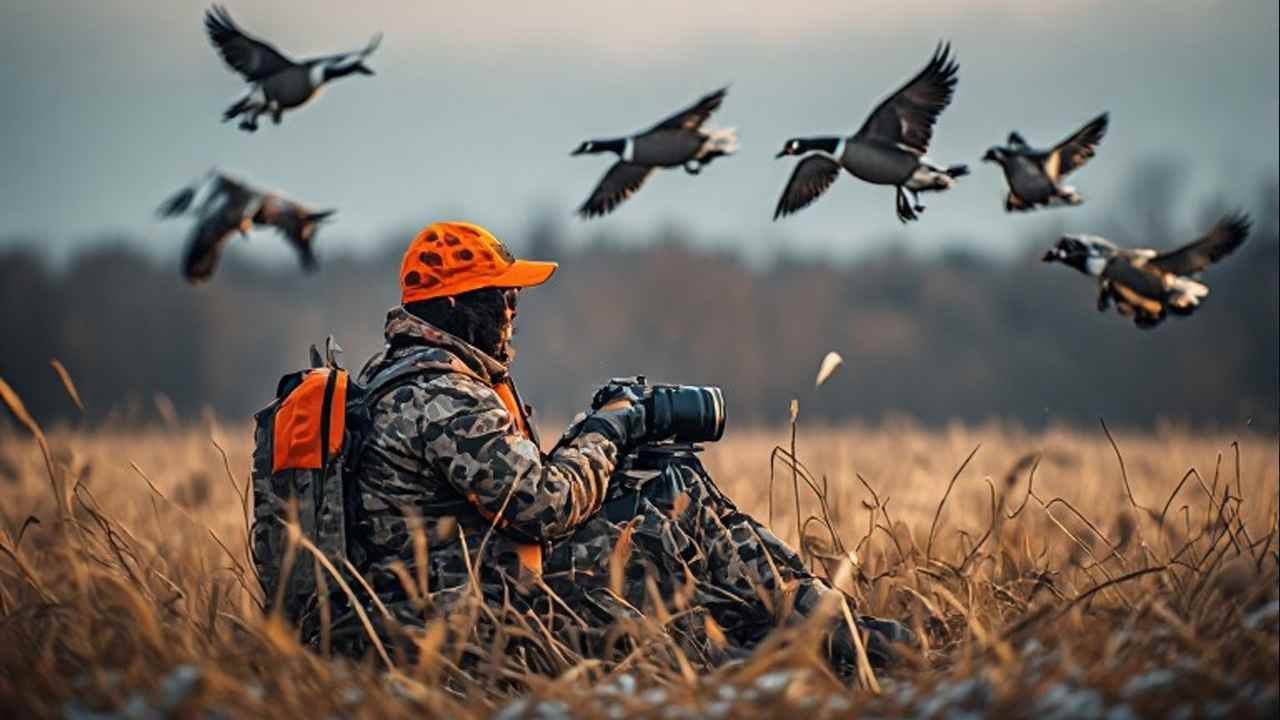
Late-Season Waterfowl Hunting in Canada: Regulations and Opportunities for 2026-2027
Quick answer: Late-season waterfowl hunting in Canada for 2026-2027 runs mainly from December into March, and it is concentrated in coastal and southern areas. Newfoundland and Labrador sea-duck zones stay open as late as March 10. Ontario adds a short late Canada goose season from February 27 to March 5 in selected southern units. Quebec keeps a 7-day February goose hunt. British Columbia ducks run to January 24, and New Brunswick Zone 1 ducks run to January 29. You need a federal Migratory Game Bird Hunting Permit ($17 plus taxes), non-toxic shot, and any provincial licence your province requires. The prairies and the North close earlier than you might expect, though, so the details below can save you a wasted trip.
Why Late-Season Hunting Looks Different in Canada
Many hunters assume Canada simply “keeps going” later than the U.S. It doesn’t. Cold shuts down the north and the prairies early, while milder coastal and southern zones hold birds and legal days into winter. That split is the main thing to understand before you plan anything.
The federal government sets the framework, and the provinces and territories add their own licence rules. Seasons are set for two years at a time. The current regulations cover 2026-2027 and 2027-2028, so this winter’s dates should carry into next year. The Canada Gazette confirms that no regulatory changes apply to Newfoundland and Labrador, New Brunswick, Manitoba, Saskatchewan, British Columbia, Yukon, the Northwest Territories or Nunavut this cycle.
Federal Rules That Apply Everywhere
| Requirement | What to know for 2026-2027 |
|---|---|
| Federal permit | Migratory Game Bird Hunting Permit with the Canadian Wildlife Habitat Conservation Stamp |
| Permit validity | August 1, 2026 to June 30, 2027 |
| Cost | $17.00 plus applicable taxes |
| Youth permit | Free for eligible minors, with mentor rules |
| Shooting hours | Usually 30 minutes before sunrise to 30 minutes after sunset |
| Northern exception | Some northern areas allow 1 hour before sunrise to 1 hour after sunset |
| Shot type | Non-toxic shot is the standard for waterfowl |
| Provincial licence | Often required on top of the federal permit |
| Digital permits | Carry a proper PDF, not a casual screenshot |
For a step-by-step walkthrough of getting set up, see this guide on the migratory game bird permit application process.
Late-Season Dates at a Glance
This table sorts provinces by how far into winter you can realistically hunt. These are the headline dates. Zone and district boundaries still decide what applies to you.
| Rank | Region | Late-season window | Species |
|---|---|---|---|
| 1 | Newfoundland and Labrador (coastal zones) | Up to March 10 | Sea ducks |
| 2 | Ontario (selected southern WMUs) | Feb 27 to Mar 5 | Canada and cackling geese |
| 3 | Quebec (designated WMUs) | 7 days starting the fourth Saturday in February | Snow, Ross’s, Canada geese (varies by WMU) |
| 4 | Newfoundland and Labrador (Northwestern Coastal) | Up to February 15 | Sea ducks |
| 5 | New Brunswick (Zone 1) | Up to January 29 | Ducks |
| 6 | British Columbia | Up to January 24 | Ducks |
| 7 | Nova Scotia (Zone 2) | Up to January 22 | Geese |
| 8 | New Brunswick (Zone 2) | Up to January 15 | Ducks |
| 9 | Alberta, Saskatchewan | Up to about December 16 | Ducks (general framework) |
| 10 | Northwest Territories, Nunavut | Up to December 10 | Core waterfowl |
Province-by-Province Late-Season Breakdown
Alberta
| Item | Detail |
|---|---|
| General duck framework | Opens September 1, runs to roughly December 16 |
| Late-season angle | Short. Freeze-up usually ends field and slough hunts first |
| New for 2026-2027 | Sandhill crane hunting expanded in Zone 1 (WMUs 336, 501-510, 514, 515, 841) |
| Watch for | Species and zone-specific limits, plus the WMU boundary for cranes |
British Columbia
| Item | Detail |
|---|---|
| Duck season | October 10 to January 24 |
| Daily limit | 8 ducks |
| Species caps | Northern pintail, canvasback and Barrow’s goldeneye have separate limits |
| Late-season angle | Coastal estuaries and the Fraser Delta are the main late options |
| Watch for | Species caps catch more hunters than the dates do |
Manitoba
| Item | Detail |
|---|---|
| Season structure | Zone-based, with resident-only early windows in some areas |
| Duck limit | Up to 8 daily / 24 possession in the zone tables |
| Late-season angle | Limited. Freeze-up ends most field hunting before mid-winter |
| Spring | Liberal Snow and Ross’s goose conservation measures |
New Brunswick
| Item | Detail |
|---|---|
| Zone 1 ducks | October 15 to January 29 |
| Zone 2 ducks | October 1 to January 15 |
| Duck limit | 6 daily / 18 possession |
| Goose limit | 5 daily, with an early September 1-15 period allowing 5 extra Canada or cackling geese |
| Snipe | Zone 1 to January 14; Zone 2 to December 31 (10 daily / 20 possession) |
| Best late-season bet | Zone 1 coastal ducks |
Newfoundland and Labrador
| Item | Detail |
|---|---|
| Northwestern Coastal sea ducks | November 1 to February 15 |
| Other main coastal zones | Often November 24 to March 10 for some sea-duck groups |
| Other duck categories | Commonly September 16 to December 31 |
| Common limits | Sea ducks and mergansers 6 daily / 12 possession; geese 5 daily / 10 possession |
| Best late-season bet | Coastal sea-duck hunting, the longest legal window in the country |
| Watch for | Zone choice matters more here than almost anywhere else |
Northwest Territories
| Item | Detail |
|---|---|
| Season | September 1 to December 10 |
| Duck limit | 25 daily for residents, 8 for non-residents |
| Possession | No limit for residents, 16 for non-residents |
| Late-season angle | None. This is an early-season destination |
| Watch for | Resident versus non-resident limits |
Nova Scotia
| Item | Detail |
|---|---|
| Zone 2 goose season | October 23 to January 22 (shifted later, same length) |
| Early goose period | September 1-15 |
| Species at risk | Barrow’s goldeneye limited to 1 bird; harlequin duck closed |
| Best late-season bet | Zone 2 geese, which now fit a later migration better |
Nunavut
| Item | Detail |
|---|---|
| Core species | September 1 to December 10 |
| Limits | Ducks 25 daily for residents; geese 15 daily for residents |
| Conservation goose seasons | Aug 15-31, Sept 1-Dec 10, and May 1-June 30 (50 daily, no possession limit) |
| Shot | Non-toxic shot only |
| Late-season angle | None in the usual sense, though the spring conservation hunt is unique |
Ontario
| Item | Detail |
|---|---|
| Structure | District-based; Hudson-James Bay opens first, the south runs latest |
| Duck limit | 6 daily / 18 possession |
| Late goose season | February 27 to March 5 in designated southern WMUs (Provincial WMUs 69A, 70-73, 77-81, 86-93) |
| Other change | Reduced goose bag in WMU 65 removed; Canada/cackling limit back to 5 |
| New | Sandhill crane access for residents of Canada in certain districts (1 daily) |
| Sunday hunting | South of the French and Mattawa rivers, it depends on the municipality |
Prince Edward Island
| Item | Detail |
|---|---|
| Woodcock | Fixed dates, September 26 to December 10 |
| Species at risk | Same as Nova Scotia: Barrow’s goldeneye limited to 1, harlequin closed |
| Duck and goose dates | Follow the provincial table; check the current summary for your zone |
Quebec
| Item | Detail |
|---|---|
| February goose hunt | 7 days beginning the fourth Saturday in February, for snow and Ross’s geese in the listed WMUs |
| Goose limits | Canada/cackling bag restored to 5 in Districts A, C, D and F during listed fall periods |
| Spring snow goose | Daily bag cut to 12; windows shortened in some districts |
| New | Resident-only sandhill crane season, Sept 12-25, farmland only, 1 daily |
| Watch for | District letters and WMU numbers decide everything |
Saskatchewan
| Item | Detail |
|---|---|
| General duck framework | September 1 to about December 16 |
| Limits | 8 daily / 24 possession |
| Cranes | Local closures can apply if whooping cranes are present |
| Late-season angle | Short; plan for early and mid-season instead |
Yukon
| Item | Detail |
|---|---|
| Northern Yukon | Resident-only opener August 15-31, then ducks from September 1 to October 31 |
| Limits | 25 ducks daily in the federal table |
| Hours | One-hour sunrise and sunset buffer applies |
| Late-season angle | None. This is a very early-closing region |
Where the Real Late-Season Opportunities Are
If you want to hunt waterfowl in January, February or March, these are your realistic options:
- Newfoundland and Labrador coastal zones: the longest legal window in Canada, mainly for sea ducks
- Ontario’s southern late goose season: a one-week window, so timing and scouting matter
- Quebec’s February goose hunt: short, but well suited to hunters who already know the WMUs
- New Brunswick Zone 1: duck hunting into the last week of January
- British Columbia coast: open water holds ducks after the interior freezes
Gear and Prep for Cold-Weather Waterfowl
Cold water and wind change how you hunt. Plan around these points:
- Layering: wet, cold wind is the real enemy on a late-season marsh. Our guide to layering for cold, wet hunting conditions covers the basics.
- Ice management: bring an ice eater or a plan to keep open water in front of your spread.
- Retrieval: federal rules require adequate means to retrieve birds immediately, and icy water makes that harder.
- Spread size: fewer, more realistic decoys often work better on pressured late-season birds.
- Non-toxic shot: buy it early. Shelves thin out as the season progresses.
Common Compliance Mistakes
| Mistake | How to avoid it |
|---|---|
| Using last year’s goose dates | Re-check Ontario, Quebec, Nova Scotia and PEI each season |
| Ignoring district or zone boundaries | Confirm your exact WMU, district or zone before you go |
| Missing species-at-risk limits | Check Barrow’s goldeneye and harlequin duck rules |
| Forgetting the provincial licence | The federal permit alone is often not enough |
| Treating sea ducks like regular ducks | Read each species group’s separate line |
| Assuming Sunday hunting is legal | Check municipal rules, especially in southern Ontario and Quebec |
| Using lead shot | Stick to non-toxic loads |
Tips for Planning a Late-Season Trip
- Pick your province by species first: sea ducks point to Newfoundland, geese point to Ontario or Quebec.
- Confirm zone and district boundaries on the current provincial summary.
- Buy your federal permit and any provincial licence before you travel.
- Check weather and freeze-up forecasts a week out.
- Book lodging with flexibility, since late-season windows are short.
- Re-verify dates just before you leave.
Before any trip, check the official federal provincial and territorial migratory bird summaries, since those are the legal reference. Remember that summaries show outer date windows, and your exact zone may open or close earlier.
Frequently Asked Questions
When does late-season waterfowl hunting start in Canada?
There is no single start date. Most hunters treat December onward as the late season. Coastal Newfoundland and Labrador, New Brunswick Zone 1, British Columbia and southern Ontario and Quebec keep hunting open past New Year’s.
Which province has the latest duck and sea-duck season?
Newfoundland and Labrador. Some coastal zones run to March 10 for certain sea-duck groups.
Is there a late goose season in Ontario?
Yes. A late Canada and cackling goose season runs February 27 to March 5 in designated southern WMUs.
Do I need a federal permit to hunt waterfowl late in the season?
Yes. The federal permit is valid August 1, 2026 to June 30, 2027, so it covers the whole late season.
Can non-residents hunt waterfowl in the North?
In some areas, yes, but limits differ. In the Northwest Territories and Nunavut, non-residents have lower daily and possession limits than residents.
Is non-toxic shot required?
Almost always. Non-toxic shot is the standard rule for migratory game birds across Canada.
Are 2026-2027 dates final?
Yes. The regulations were approved for two seasons, so the 2026-2027 and 2027-2028 frameworks are in force. Still, confirm zone-level dates before you travel.
For migration timing to pair with these dates, see the Canada waterfowl seasons and migration calendar.

- Winter Hunting in Canada: Species, Seasons and Regional Opportunities (2026–2027) - November 17, 2026
- Late-Season Waterfowl Hunting in Canada: Regulations and Opportunities for 2026-2027 - November 17, 2026
- Hunting Coyotes in Canada: Winter Seasons and Provincial Rules for 2026–2027 - November 17, 2026