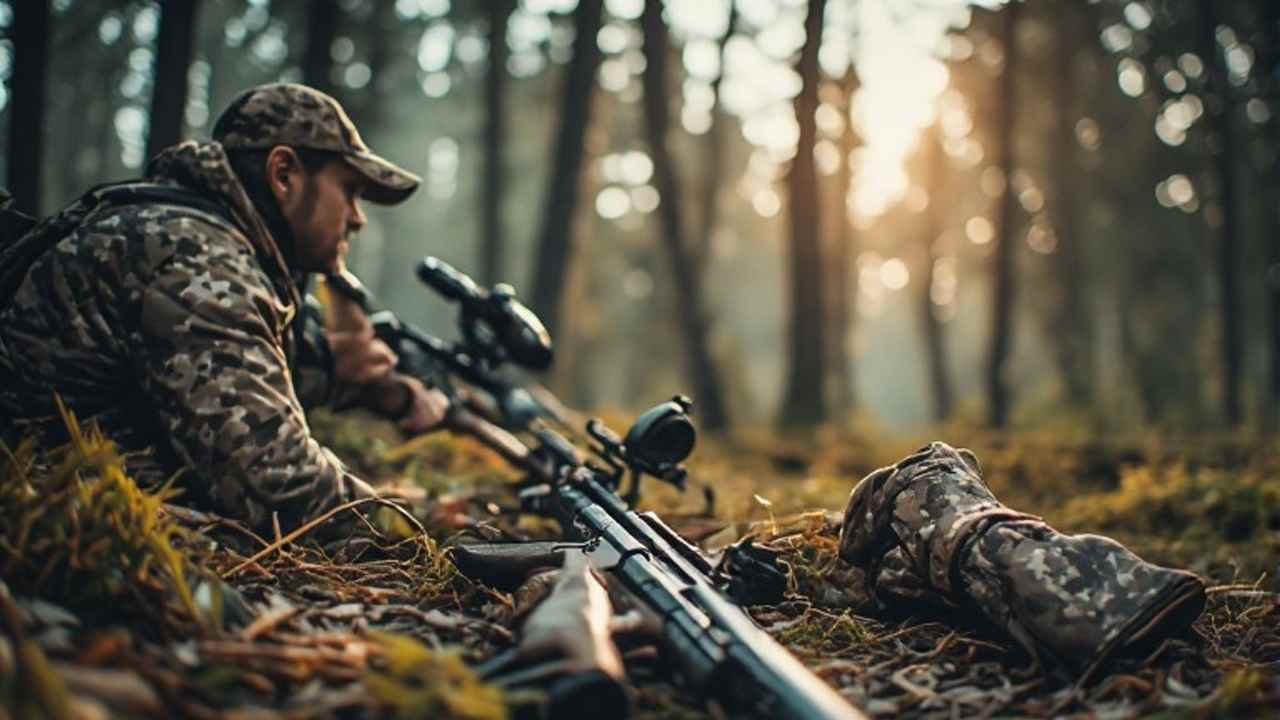
Yes, U.S. and international hunters can legally hunt in Canada, but the rules change sharply by province and territory. In many places, big game hunting requires a licensed outfitter, guide, hunter host, or resident sponsor, while some jurisdictions allow more freedom for small game, deer, or game birds. On top of that, visiting hunters often need a provincial licence, species tag, proof of hunter education, and sometimes a federal bird permit or firearm declaration. The mistake most travelers make is assuming Canada has one national rulebook. It does not.
That is exactly why this guide matters. Instead of sending you into a maze of provincial summaries, I have broken down the real decision points by Alberta, British Columbia, Manitoba, New Brunswick, Newfoundland and Labrador, Nova Scotia, Ontario, Prince Edward Island, Quebec, Saskatchewan, Northwest Territories, Nunavut, and Yukon. So if you are planning a whitetail hunt, a black bear trip, a moose package, or a waterfowl trip, you can quickly see where you can go, what level of support you need, and which destinations are actually realistic for foreign hunters.
Best use case: a hosted deer, elk, moose, or bear hunt, or a simpler bird trip
Alberta quick view
Item
Rule
Big game DIY for U.S./international hunters
No practical true DIY route
Big game access
Hunter host or outfitter guide
Game birds
More accessible with the right licences
Difficulty level
Moderate if hosted, harder if starting from scratch
British Columbia hunting rules for foreign hunters
Who it suits: hunters wanting a fully organized mountain or backcountry experience
Big game rule: foreign hunters must use a guide outfitter, assistant guide outfitter, or permit-to-accompany arrangement for big game
Small game rule: may be hunted unaccompanied if you hold the right unrestricted licence/credential setup
Key documents: FWID, residency credentials, hunting licence, species licences
Best use case: guided elk, moose, sheep, goat, bear, or cougar trips
British Columbia quick view
Item
Rule
Big game DIY for U.S./international hunters
No
Big game access
Guided or permit-to-accompany route
Small game access
Possible in some cases
Difficulty level
Easy with outfitter, complex without one
Manitoba hunting rules for foreign hunters
Who it suits: waterfowl planners and hunters booking lodges or outfitters
Big game rule: foreign big game licences are generally available through approved outfitters only
Bird hunting: strong destination, but some foreign hunters seeking unguided migratory bird access may face a draw-based seven-day licence system
Extra note: non-Canadian residents may also need a separate upland game bird licence depending on the hunt
Best use case: outfitted bear or deer, or well-planned migratory bird travel
Manitoba quick view
Item
Rule
Big game DIY for U.S./international hunters
No practical route
Big game access
Approved outfitter
Waterfowl access
Good, but foreign hunter rules can be structured
Difficulty level
Best with advance planning
New Brunswick hunting rules for foreign hunters
Who it suits: hunters comfortable with a heavily regulated, guided structure
General rule: non-residents need a New Brunswick Outdoors Card number, proof of hunter or bowhunter education, proper licence/tag, and must be accompanied by a licensed guide unless exempt
DIY potential: very limited compared with Ontario or Alberta
Best use case: arranged deer, bear, or bird plans with clear local support
New Brunswick quick view
Item
Rule
Big game DIY for U.S./international hunters
Generally no
Guide requirement
Broadly applies unless exemption exists
Planning style
Structured, paperwork-first
Difficulty level
Higher for independent visitors
Newfoundland and Labrador hunting rules for foreign hunters
Who it suits: serious big game hunters chasing iconic species
Big game rule: non-residents who want bear, moose, or caribou must apply through one of the province’s outfitting companies
Guide rule: big game hunters are accompanied by licensed guides supplied by those outfitters
Small game and waterfowl: more flexible; guides are not required for those categories
Travel note: game export permits are required to take game out of the province, and bear parts leaving Canada can trigger added permit requirements
Best use case: guided moose or bear trip with logistics handled professionally
Newfoundland and Labrador quick view
Item
Rule
Big game DIY for U.S./international hunters
No
Big game access
Licensed outfitting company
Small game / waterfowl
More flexible
Difficulty level
Very manageable with an outfitter
Nova Scotia hunting rules for foreign hunters
Who it suits: hunters visiting friends, family, or local hosts
Required items: proof of hunter education or recent licence, valid Nova Scotia non-resident hunting licence, Wildlife Habitat Stamp, and a licensed guide or a resident over 19 with a special permit to guide
DIY potential: limited
Extra note: deer registration rules are strict, and exported bear parts may involve extra compliance steps
Best use case: resident-supported deer or small game hunting rather than a pure solo trip
Nova Scotia quick view
Item
Rule
Can you hunt alone?
Usually no
Who can accompany you?
Licensed guide or resident with special permit
Best fit
Hosted or guided trips
Difficulty level
Moderate to high for first-timers
Ontario hunting rules for foreign hunters
Who it suits: people who want the easiest path to a legal self-directed hunt in central or eastern Canada
Required items: age 16+, valid Outdoors Card, hunter accreditation on file, correct licence, and tag where applicable
Black bear rule: non-residents must contract a licensed bear operator
Moose rule: non-residents must use a moose tourist outfitter, except in the immediate-family party-hunt exception
DIY potential: better than most provinces for deer, turkey, small game, and many bird hunts, assuming land access and tags are in place
Best use case: deer, turkey, grouse, rabbits, and some waterfowl planning with more independence
Ontario quick view
Item
Rule
Big game DIY for moose
No, except narrow family exception
Big game DIY for black bear
No, licensed operator required
Deer and small game
Often the most realistic DIY route
Difficulty level
One of the easiest provinces for foreign hunters
Prince Edward Island hunting rules for foreign hunters
Who it suits: travelers who prefer a short, simple, supervised hunt
Core rule: non-residents cannot hunt alone
Accompaniment: you must hunt with a licensed PEI resident hunter or a registered hunting guide
Licence format: non-resident seasonal and shorter-term options are available
DIY potential: very low
Best use case: tightly organized local hunt, not a spontaneous solo trip
Prince Edward Island quick view
Item
Rule
Can foreign hunters hunt solo?
No
Who must accompany them?
Licensed resident hunter or registered guide
Trip style
Short and supervised
Difficulty level
Easy only with local help
Quebec hunting rules for foreign hunters
Who it suits: hunters willing to learn zone, reserve, and outfitter systems
Good news: a non-resident is not required to hold a hunter’s certificate just to buy a licence
North of 52° rule: hunting north of the 52nd parallel requires using an outfitter
Moose south of 52°: you generally need at least two outfitter services including lodging, or you must hunt in a ZEC or wildlife reserve, unless one of the stated exceptions applies
Black bear and woodcock south of 52°: similar outfitter, ZEC, or wildlife reserve conditions apply
Small game: more open than major big game categories
Restriction note: non-residents cannot access some draw-dependent antlerless options
Best use case: small game, structured black bear, or carefully planned moose access
Quebec quick view
Item
Rule
Hunter certificate required to buy licence?
No
Big game freedom
Moderate to restricted depending on species and region
Small game access
Better than moose or bear access
Difficulty level
Fine once you understand the zone system
Saskatchewan hunting rules for foreign hunters
Who it suits: bird hunters and outfitters’ clients
Big game rule: all non-resident big game hunters for white-tailed deer, moose, bear, and wolf must use the services of an outfitter and hold the proper guided licence
Bird hunting: Saskatchewan remains strong for game bird travel, with spring and fall non-resident term licences
DIY potential: poor for big game, better for organized bird trips
Best use case: guided deer or bear, or highly planned upland/waterfowl trip
Saskatchewan quick view
Item
Rule
Big game DIY for U.S./international hunters
No
Big game access
Outfitter required
Bird hunting
Strong option with term licences
Difficulty level
Low stress if booked properly
Northwest Territories hunting rules for foreign hunters
Who it suits: hunters pursuing a true northern expedition
Licence category: non-resident versus non-resident alien licences differ, depending on citizenship/residency status
Big game rule: foreign hunters should expect to use an outfitter for big game
Small game: more flexible than big game
Logistics note: licensing is more manual and planning-heavy than southern provinces
Best use case: outfitted northern big game, not casual add-on travel hunting
Northwest Territories quick view
Item
Rule
Big game DIY
No practical route
Big game access
Outfitter-guided
Small game
More flexible
Difficulty level
High due to distance and logistics
Nunavut hunting rules for foreign hunters
Who it suits: specialist hunters booking serious, remote trips
Big game rule: under Nunavut’s wildlife rules, non-residents are expected to use the services of a big game outfitter and guide for big game harvest
DIY assumption: do not assume a simple unguided option exists just because you found a forum post
Planning reality: this is not a last-minute destination; local permissions, tags, community factors, and outfitter coordination matter
Best use case: professionally arranged Arctic hunt only
Nunavut quick view
Item
Rule
Big game DIY
No
Big game access
Outfitter and guide
Self-planned casual trip
Not recommended
Difficulty level
Very high without professional support
Yukon hunting rules for foreign hunters
Who it suits: big game hunters wanting premium guiding or small game hunters wanting more flexibility
Big game rule: visiting hunters generally need a registered outfitter or a valid special family-guide route
Small game and game birds: can be more flexible than big game and may be hunted without a guide under the proper licence setup
Age note: non-residents can get a Yukon big game licence from age 12 upward, but trip logistics still matter
Best use case: guided sheep, moose, or caribou-style planning, or a simpler northern small game trip
Yukon quick view
Item
Rule
Big game DIY for foreign hunters
No practical route
Big game access
Registered outfitter or qualifying family route
Small game access
More open
Difficulty level
Moderate with small game, high with trophy species
Easiest versus hardest provinces for non-resident hunters
Easiest places to start
Ontario
Alberta if you have a host
Quebec for certain small game or structured access
Yukon for small game rather than marquee big game
Best provinces for guided big game quality
British Columbia
Newfoundland and Labrador
Saskatchewan
Yukon
Northwest Territories
Nunavut
Places where you should not expect a solo-style hunt
New Brunswick
Nova Scotia
Prince Edward Island
Nunavut
Most big game hunts in Saskatchewan and Newfoundland and Labrador
Smart trip-planning checklist before you book
Decide first whether you want big game, small game, or migratory birds
Then choose between DIY, hosted, and fully guided
Check whether your home-state hunter education is accepted
Ask the outfitter exactly who handles tags, declarations, and reporting
Confirm whether harvested meat can legally return home with you
If you are driving, plan extra border time
If you are flying, ask about hard-case, lock, and ammunition rules
Read the annual regulation summary for the species and zone, not just the sales page
Budget for licence fees, habitat stamps, tags, guide fees, meat processing, and export steps
Build a backup plan in case draw-based bird access or quota limits affect your first-choice province
Bottom line: where should U.S. and international hunters go?
If you want the least complicated independent hunt, start with Ontario. If you want a hosted western hunt, Alberta is compelling. If your goal is a premium guided experience, British Columbia, Newfoundland and Labrador, Saskatchewan, Yukon, and the northern territories make more sense. And if someone tells you that “Canada is easy” or “Canada is all guided,” take that with caution. Both statements are half true at best.
The real answer is simpler: Canada is huntable for foreign visitors, but only when you match the province to the style of hunt you actually want. Get that part right first, and the licensing and travel pieces become much easier to solve.
FAQs
Can an American hunt in Canada without an outfitter?
Yes, but only in some situations. Ontario is one of the better examples for self-directed access on selected species, while many western and northern big game hunts require an outfitter, guide, hunter host, or resident sponsor.
Is a U.S. hunting licence valid in Canada by itself?
No. Your home licence or hunter education may help prove competency, but you still need the provincial or territorial hunting licence, tag, and any species-specific permits required where you hunt in Canada.
Do I need a guide for deer hunting in Canada?
It depends on the province. In Ontario, deer access can be more independent. In places like Prince Edward Island or New Brunswick, foreign hunters face tighter accompaniment rules. In Saskatchewan, big game deer hunting is guided.
What is the easiest Canadian province for a first foreign hunting trip?
For overall simplicity and flexibility, Ontario is often the easiest starting point. For a fully managed experience where much of the paperwork is handled for you, British Columbia or Newfoundland and Labrador are strong guided options.
Can I bring my rifle or shotgun into Canada for a hunt?
Usually yes, if the firearm is legal in Canada and you complete the required declaration steps. But you should check the current RCMP firearm rules for non-residents before traveling because restricted and prohibited categories can end a trip fast.
Do I need a separate permit for ducks and geese?
Yes. If you are hunting migratory game birds in Canada, you need the federal permit with the habitat conservation stamp, even if you already have the provincial hunting licence.
Alex Martin is a writer and researcher for CanadaHunting.org, covering Canadian hunting seasons, regulations, licenses, permits, hunting zones, species information, and practical hunting resources. His work focuses on researching provincial, territorial, and federal hunting information and presenting it in clear, useful language for hunters across Canada.