Nunavut Hunting Season 2025-2026 – Dates, Draw Deadlines, Licenses & Wildlife Areas
Nunavut offers some of the most extraordinary hunting opportunities on the planet, set against a backdrop of vast Arctic landscapes and abundant wildlife. For the 2025-2026 season, both resident and visiting hunters will find incredible chances to pursue iconic species from polar bears to barren-ground caribou. This comprehensive guide covers everything you need to know—from dates and permits to wildlife areas and regulations—to help you plan your ultimate Arctic hunting adventure. Whether you’re a first-time visitor or a seasoned northerner, understanding Nunavut’s unique hunting framework is essential for a successful, legal, and memorable experience.
📅 Quick Reference Points
Before diving into the specifics, here’s what every hunter needs to know about the 2025-2026 Nunavut hunting season:
- Mandatory licensing: All hunters require a Nunavut hunting license, with visitors required by law to use licensed outfitters
- Key big game species: Polar bear, muskox, barren-ground caribou, walrus, and Arctic wolf
- Migratory bird season: Generally runs September 1 to December 10 for most species
- Additional federal permit required: For migratory birds, you must possess a valid Migratory Game Bird Hunting Permit with a Canadian Wildlife Habitat Conservation Stamp
- Non-toxic shot requirement: The use and possession of lead shot is prohibited while hunting migratory game birds
- Tag allocation system: Mandatory tags are often issued through a lottery system run by local Hunting and Trapping Organizations (HTOs)
🦌 Big Game Schedules
| Species | Season Dates | Legal Methods | Permit Type | Notes |
|---|---|---|---|---|
| Barren-Ground Caribou | Jul 1 – Aug 31 (Summer) | Archery, Rifle | Quota Draw | Community-managed allocation |
| Sep 1 – Oct 15 (Fall) | Rifle | Quota Draw | One tag per hunter maximum | |
| Muskox | Aug 1 – Sep 30 | Rifle | Limited Entry | Applications due April 30 |
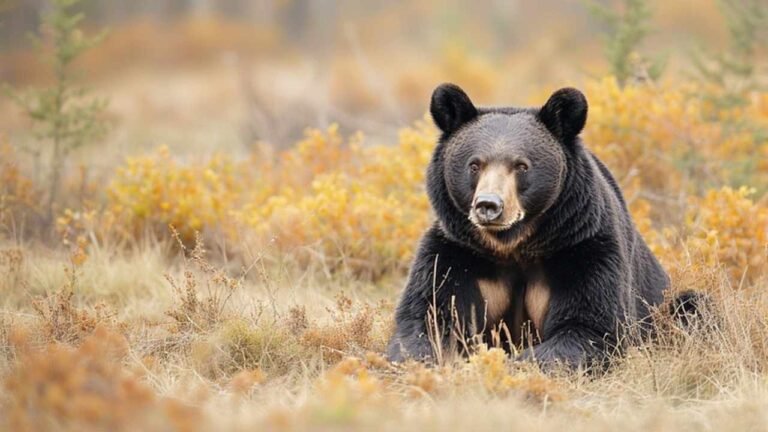
| Polar Bear | Aug 1 – Oct 31 | Rifle | Community Quota | Co-management agreements |
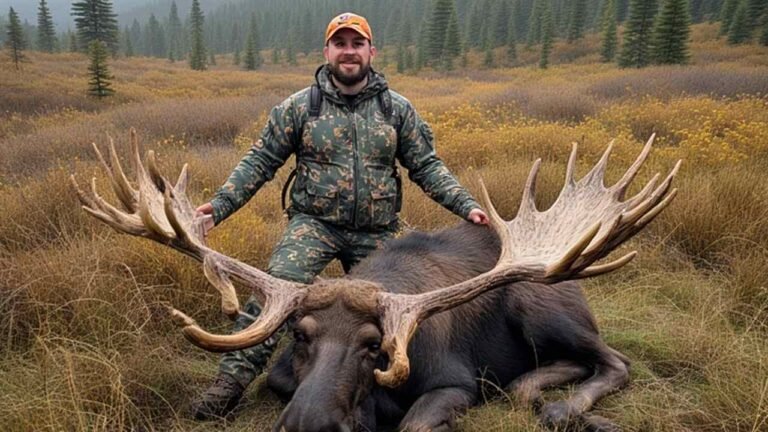
| Moose (Kitikmeot) | Aug 15 – Sep 30 | Rifle | Quota Draw | Southern zones only |
🦆 Complete Waterfowl Seasons
Migratory bird hunting in Nunavut follows federal regulations with some territorial specifications. The 2025-2026 seasons are consistent across most of Nunavut, with special regulations for the James Bay region.
Nunavut Migratory Game Bird Seasons (2025-2026)
| Species | Season Dates | Daily Bag Limit | Possession Limit | Federal Permits |
|---|---|---|---|---|
| Snow Geese | Jul 15 – Sep 15 | 10 | 20 | MGBH Permit Required |
| Canada Geese | Jul 15 – Sep 15 | 10 | 20 | MGBH Permit Required |
| All Ducks | Aug 10 – Sep 30 | 5 | 15 | MGBH Permit Required |
| Coots | Sep 1 – Dec 10 | 25 | No limit | MGBH Permit Required |
| Snipe | Sep 1 – Dec 10 | 10 | 30 (non-residents) | MGBH Permit Required |
Special Measures for Overabundant Species
Snow Geese and Ross’s Geese have extended seasons with higher limits:
- Season dates: August 15 to December 10, plus May 1 to June 30 (2026)
- Daily bag limit: 50 birds (combined)
- Possession limit: No limit
- Additional methods: Electronic bird calls may be used
Species at Risk Consideration
- Barrow’s Goldeneye: Listed as a species of special concern; daily bag and possession limit is 1 bird throughout Nunavut
Furbearer Season Dates
| Species | Season Dates | License Required | Bag Limits | Special Notes |
|---|---|---|---|---|
| Arctic Wolf | Year-round | Predator Harvest Tag | No formal limit | Community rules apply |
| Arctic Fox | Year-round | Predator Harvest Tag | No formal limit | Traditional trapping methods |
| Wolverine | Year-round | Predator Harvest Tag | No formal limit | Requires harvest reporting |
| Beaver | Aug 1 – Mar 31 | Resident License | Traditional limits | Southern zones only |
🐦 Small Game Opportunities
| Species | Season Dates | Daily Bag Limit | Possession Limit | Legal Methods |
|---|---|---|---|---|
| Willow Ptarmigan | Aug 1 – Dec 31 | No limit | No limit | Rifle, Bow |
| Rock Ptarmigan | Aug 1 – Dec 31 | No limit | No limit | Rifle, Bow |
| Arctic Hare | Aug 1 – Mar 31 | No limit | No limit | Rifle, Bow |
While big game often takes center stage, Nunavut offers rewarding small game hunting experiences:
- Ptarmigan: The official territorial bird of Nunavut, found in all three regions. Often treated as a snack food on hunting and fishing expeditions
- Arctic Hare: Found throughout Nunavut, these large hares can reach 12 pounds and are known for their swift movement
- Arctic Ground Squirrel: The largest and most northern-dwelling ground squirrel species, found in Kivalliq and Kitikmeot regions
Note: Specific seasons and limits for small game should be verified with the GN Department of Environment, as regulations may vary between communities.
Other Available Game
| Species | Season Dates | Bag Limits | License Type | Special Requirements |
|---|---|---|---|---|
| Ground Squirrel | May 1 – Sep 30 | Traditional limits | Resident License | Community permission |
| Marine Mammals | Various | Quota system | Federal License | Marine Mammal Transport License |
🗺️ Zones Active for Hunting
Nunavut is divided into different regulatory areas for hunting purposes, with three primary zones for migratory birds and various community-specific territories for big game:
- Throughout Nunavut (except James Bay south of 55°N latitude) – covers the majority of the territory
- James Bay south of 55°N – divided into western and eastern portions with specific regulations
- Community-based hunting territories – each community has traditional hunting areas managed through local HTOs
Key Hunting Communities by Species:
- Polar Bear: 19 communities including Arctic Bay, Clyde River, Grise Fiord, and Resolute
- Muskox: Baker Lake, Cambridge Bay, Gjoa Haven, and Resolute
- Caribou: Arviat, Baker Lake, Cambridge Bay, and Repulse Bay
- Walrus: Cape Dorset, Coral Harbour, Hall Beach, and Igloolik
Important: Hunters must obtain permission from Regional Inuit Associations when hunting on Inuit Owned Lands.
🎟️ Licenses, Tags & Permits
Nunavut Hunting License
- Requirement: Mandatory for all hunters in Nunavut
- Availability: Government of Nunavut Department of Environment wildlife offices
- Outfitter requirement: Visitors must use licensed outfitters
Federal Migratory Game Bird Hunting Permit
- Requirement: Mandatory for hunting migratory birds throughout Canada
- Cost: Regular permits available for purchase; youth permits (under 18) free of charge
- Format: Physical paper or electronic PDF format accepted
- Where to buy: Online through the federal e-permitting system
Canadian Wildlife Habitat Conservation Stamp
- Requirement: Must be affixed to your Migratory Game Bird Hunting Permit
- Purpose: Supports wetland conservation projects across Canada
Additional Requirements:
- Firearms licensing: Must comply with Canadian Firearms Act requirements
- Tags: Mandatory for big game species, often allocated through HTO lottery systems
❓ Nunavut Hunting Quick FAQ
Do I need an outfitter to hunt in Nunavut?
Yes, visitors are required by law to use licensed outfitters. This ensures safety, compliance with regulations, and proper guidance in Nunavut’s challenging environment.
What are the lead shot regulations?
The use and possession of lead shot is prohibited while hunting migratory game birds in Nunavut. Only non-toxic shot is permitted.
Are there any youth hunting opportunities?
Yes, the Youth Migratory Game Bird Hunting Permit is available free for hunters under 18. It provides young hunters with their own daily bag and possession limits while supervised by an adult mentor.
When can I apply for big game tags?
Tag allocation varies by community and species. Many communities use a lottery system through local Hunting and Trapping Organizations. Contact specific HTOs well in advance for application deadlines.
What are the hunting hours in Nunavut?
For migratory birds, hunting is permitted from half-hour before sunrise to half-hour after sunset. North of the 60th parallel, hunting is permitted from one hour before sunrise to one hour after sunset.
How does Inuit land ownership affect hunting?
Much of Nunavut is Inuit Owned Lands. Hunters must obtain permission from the Regional Inuit Association before hunting on these lands.
Where can I report illegal hunting activity?
Report illegal hunting activities to Crime Stoppers at 1-800-222-TIPS (8477). Calls are anonymous, and you may be eligible for a cash reward.
Conclusion
Nunavut’s 2025-2026 hunting season offers incredible opportunities to experience one of the world’s last true wilderness areas. From the majesty of polar bears on the sea ice to massive caribou herds crossing the tundra, this Arctic territory provides unmatched hunting adventures. By understanding the regulations, securing proper permits and tags, respecting Inuit land rights, and practicing ethical hunting, you’ll contribute to the sustainable management of Nunavut’s extraordinary wildlife resources. The raw beauty and challenge of hunting in the Arctic creates memories that last a lifetime—just be sure to plan well in advance, as logistics and tag allocations require early preparation.
For those interested in hunting other Canadian regions, check out our guides for Northwest Territories and Newfoundland and Labrador.