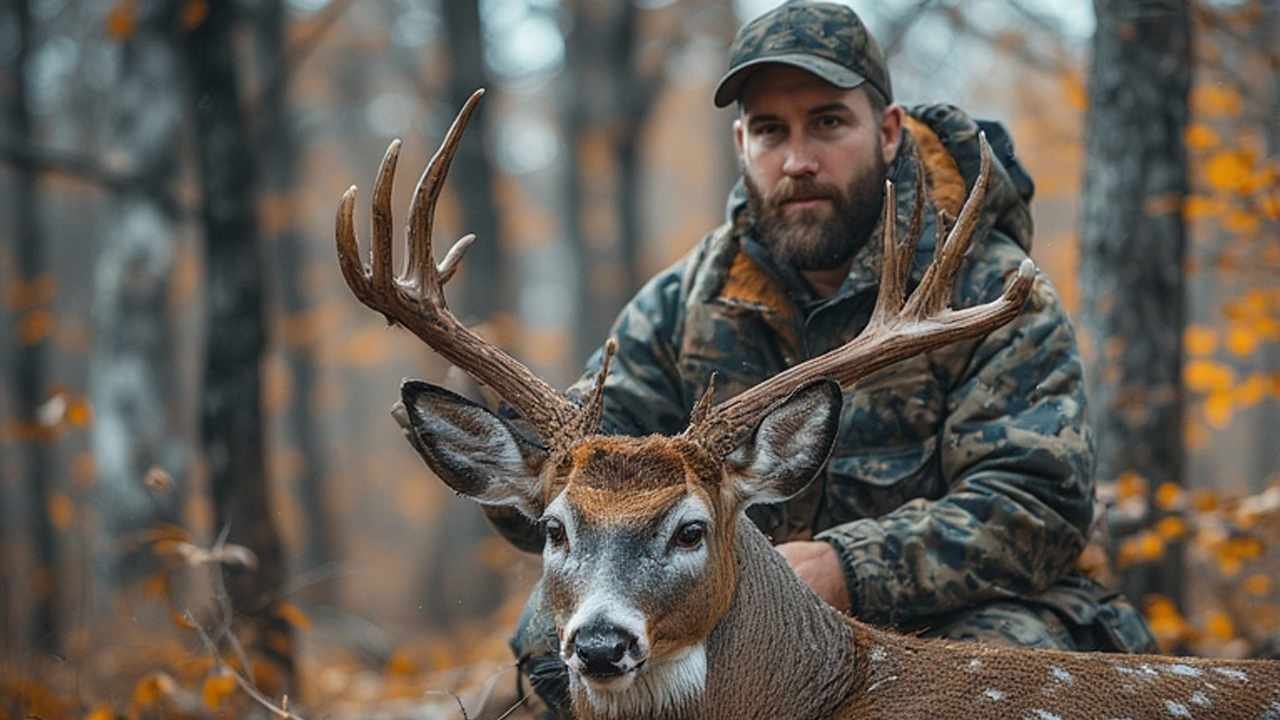
🎯 Ontario Hunting Guide 2025-2026: Seasons, Licenses & WMU Information
Welcome to your complete guide for planning your hunting adventures in Ontario during the 2025-2026 game calendar! Whether you’re a resident looking to explore new wildlife management units or a visiting outdoorsman from another province, this comprehensive resource covers everything you need to know about permits, draw deadlines, open seasons, and zone information across Ontario’s diverse territory.
From the vast northern wilderness perfect for moose and bear to the productive agricultural areas in the south ideal for waterfowl and deer, Ontario offers incredible opportunities for every type of hunter. This guide will help you navigate the regulations, understand the permit requirements, and plan your outdoor pursuits responsibly.
📅 Quick Reference Points
Here’s what you can pursue during Ontario’s 2025-2026 wildlife schedule:
- White-tailed Deer – Various WMU-specific dates from October through December, with both regular and controlled draws available
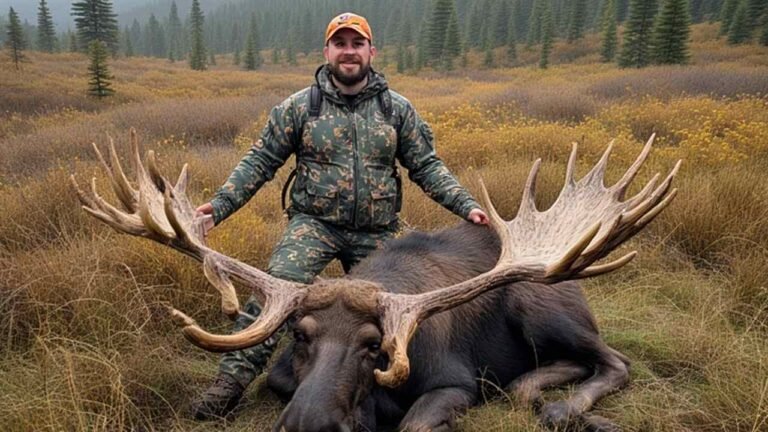
- Moose – Primary allocation period April 1-30, second chance June 15-July 7, with tags available starting August 19
- Wild Turkey – Spring season April 25-May 31, fall opportunities October 1-31 (archery) and October 14-26 (firearms)
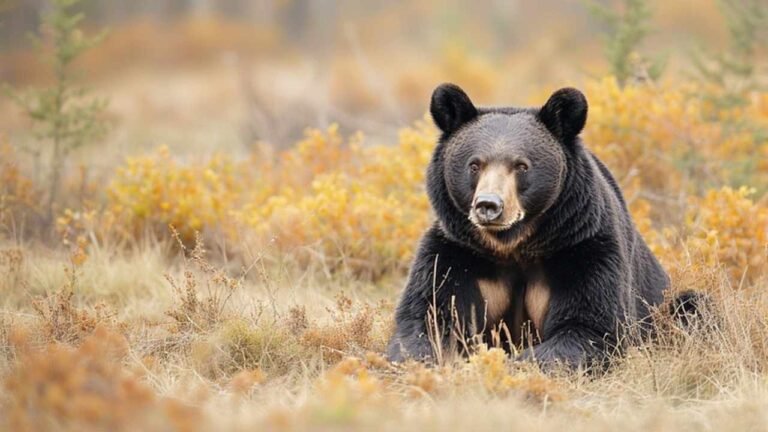
- Black Bear – Spring and fall opportunities with resident and non-resident options
- Waterfowl – Ducks and geese seasons vary by district, generally September through January
- Small Game – Grouse, rabbit, squirrel seasons typically September 15 through varying end dates
- Furbearers – Coyote, fox, raccoon with species-specific timeframes and some year-round opportunities
Most big game pursuits require specific tags and draw applications, while small game opportunities are available with a standard small game licence.
🦌 Big Game Schedules
| Species | Season Type | Typical Dates | Weapon Types | Special Requirements |
|---|---|---|---|---|
| White-tailed Deer | Regular Season | October – December (WMU dependent) | Rifle, Bow, Muzzleloader | Licence + validation |
| Controlled Draw | Various dates by WMU | Rifle, Bow, Muzzleloader | Draw application required | |
| Antlerless Draw | March 1 – June 30 application | All legal weapons | Separate draw entry | |
| Moose | Resident Season | Late September – October | Rifle, Bow, Muzzleloader | Primary/Second chance draw |
| Non-resident | Limited availability | All legal weapons | Must hunt with outfitter | |
| Elk | Draw Season | October dates vary | Rifle, Bow, Muzzleloader | April 15 – June 10 application |
| Black Bear | Spring Season | Varies by WMU | Rifle, Bow, Muzzleloader | Licence required |
| Fall Season | September – October | All legal weapons | Separate from spring |
🦃 Turkey Schedules
| Season | Dates | Weapon Options | Bag Limits | Notes |
|---|---|---|---|---|
| Spring Wild Turkey | April 25 – May 31 | Shotgun, Bow | 1 bearded bird | Tags available March 1 |
| Fall Turkey (Archery) | October 1 – 31 | Bow only | 1 bird either sex | Tags available September 1 |
| Fall Turkey (Firearms) | October 14 – 26 | Shotgun, Bow | 1 bird either sex | WMU restrictions apply |
| Youth Turkey | Special dates vary | Shotgun, Bow | 1 bird | Supervision required |
Turkey opportunities require proper tags and mandatory hunter reporting by specified deadlines.
🦝 Furbearer Season Dates
| Species | Open Season | Daily Limit | Special Notes |
|---|---|---|---|
| Coyote & Wolf | September 15 – March 31 (most WMUs) | No limit | Some WMUs open year-round |
| Red Fox | September 15 – February 28 | No limit | Trapping regulations differ |
| Raccoon & Opossum | October 5 – January 31 | No limit | WMUs 1-50, 53-95 |
| Skunk | October 5 – January 31 | No limit | Same zones as raccoon |
| Weasel | October 5 – January 31 | No limit | Trapping methods vary |
Most furbearers can be taken with firearms during small game licence validity, though trapping requires separate permits and has different regulations.
🐦 Small Games Dates
| Species | Open Season | Daily Bag Limit | Possession Limit |
|---|---|---|---|
| Ruffed & Spruce Grouse | September 15 – March 31 (varies by WMU) | 5 combined | 15 combined |
| Sharp-tailed Grouse | September 15 – December 31 (most WMUs) | 5 combined | 15 combined |
| Snowshoe Hare & Rabbit | September 15 – June following year | 10 | 30 |
| Gray & Red Squirrel | September 15 – December 1 (typical) | 10 | 30 |
| Mourning Dove | September 1 – November 30 (Central/Southern) | 15 | 45 |
Small game licence covers these species, with some regional variations in dates depending on your wildlife management unit.
🦆 Complete Waterfowl Seasons
Ontario’s waterfowl regulations follow federal migratory bird frameworks with four distinct districts:
| District | Ducks | Canada/Cackling Geese | Snow/Ross’s Geese | Daily Limits |
|---|---|---|---|---|
| Hudson-James Bay | Sept 1 – Dec 16 | Sept 1 – Dec 16 | Sept 1 – Dec 16 | 6 ducks, 5 geese, 50 snow geese |
| Northern | Sept 10 – Dec 25 | Sept 1 – Dec 16 | Sept 1 – Dec 16 | 6 ducks, 5-10 geese, 20 snow geese |
| Central | Sept 20 – Jan 4 | Sept 1 – Dec 16 | Sept 1 – Dec 16 | 6 ducks, 5-10 geese, 20 snow geese |
| Southern | Sept 27 – Jan 11 | Sept 4 – Dec 31 | Sept 27 – Jan 11 | 6 ducks, 3-10 geese, 20 snow geese |
Federal Permit Required: All waterfowl hunting requires a Migratory Game Bird Hunting Permit ($17.00) plus provincial small game licence. Non-toxic shot mandatory for all migratory birds except woodcock.
🐗 Other Available Game
| Species | Season | Limits | Special Requirements |
|---|---|---|---|
| Woodcock | Sept 15 – Dec 20 (varies by district) | 8 daily, 24 possession | Lead shot permitted |
| Snipe | Sept 1 – Jan 11 (varies by district) | 10 daily, 30 possession | Non-toxic shot in wetlands |
| Rails & Coots | Sept 1 – Jan 11 (varies by district) | 10 daily, 30 possession | Federal permit required |
| Crow | Year-round in most areas | No limit | Small game licence |
Some municipalities may have additional restrictions on discharge of firearms or Sunday hunting that affect these opportunities.
🗺️ Zones Active for Hunting
Ontario divides hunting regulations across 95 Wildlife Management Units (WMUs) grouped into several administrative regions. Each WMU has specific regulations for different species:
Northern Ontario (WMUs 1-45): Characterized by boreal forest, excellent for moose, bear, and northern species. Generally longer seasons and higher bag limits.
Central Ontario (WMUs 46-59): Transitional zone with mixed forests, good for deer, turkey, and waterfowl opportunities.
Southern Ontario (WMUs 60-95): Agricultural and mixed forest regions, prime for deer, turkey, waterfowl, and small game with higher human population density.
For detailed WMU boundaries and specific regulations, consult the official provincial wildlife management unit maps at ontario.ca/WMUMap. Always verify you’re hunting in the correct zone, as crossing WMU boundaries can mean different seasons, limits, and weapon restrictions.
Crown Land vs. Private Property: Most Crown land is open to hunting with proper licences, but always confirm access rights and respect private property boundaries.
🎟️ Licenses, Tags & Permits
Resident Licence Fees (2025)
- Outdoors Card: $8.57 (required for all licences)
- One-year Small Game: $22.76
- Three-year Small Game: $68.28
- Moose Application: $15.00
- Moose Licence: $35.29
- Black Bear Licence: Variable by season
- Turkey Tags: Available March 1 (spring), September 1 (fall)
Non-Resident Licence Fees
- Outdoors Card: $8.57
- One-year Small Game: $121.52
- Three-year Small Game: $364.56
- Moose Licence: $479.86
- Big Game options: Generally higher fees, some species require outfitter
Youth & Special Categories
- Youth hunters (under 16) require written parental consent
- Apprentice Programme available for supervised hunting
- Military personnel may qualify for reduced fees
- Disability accommodations available through special applications
Federal Requirements
- Migratory Game Bird Hunting Permit: $17.00 (includes habitat stamp)
- Required for all waterfowl, woodcock, snipe, rails, and coots
- Valid August 1, 2025 – June 30, 2026
❓ Ontario (Canada) Hunting Quick FAQ
Q: When do I need to apply for moose tags?
A: Primary allocation runs April 1-30, with second chance opportunities June 15-July 7. Results available August 1, tags printable August 19.
Q: Can non-residents hunt deer in Ontario?
A: Yes, but non-residents pay higher licence fees and may face additional restrictions. Some WMUs have limited non-resident opportunities.
Q: Do I need hunter education to get a licence?
A: Yes, you must complete Ontario Hunter Education Program or equivalent accreditation and be at least 16 years old (15 with parental consent).
Q: What’s the difference between small game and big game licences?
A: Small game covers birds, rabbits, squirrels, and furbearers. Big game (deer, moose, elk, bear) requires separate species-specific licences and often draw applications.
Q: Are there Sunday hunting restrictions?
A: Some municipalities prohibit Sunday gun hunting. Check local bylaws and the official list of municipalities where Sunday hunting is permitted.
Q: How do I report my harvest?
A: Mandatory reporting required for deer, moose, elk, bear, turkey, and wolf/coyote by specific deadlines. Report online at HuntAndFishOntario.com or by phone.
Q: Can I use lead shot for all game?
A: No. Non-toxic shot required for all migratory birds except woodcock. Lead shot prohibited in National Wildlife Areas for all hunting.
🔗 List of Related Guides
For hunters planning multi-provincial trips or comparing regulations, check out our detailed guides for neighboring jurisdictions:
- Manitoba Hunting Seasons – Explore the prairie province’s waterfowl and big game opportunities
- Nova Scotia Hunting Regulations – Discover Maritime hunting traditions and whitetail opportunities
These resources provide similar comprehensive coverage of dates, licensing, and regulations for planning your Canadian hunting adventures.
Conclusion
Ontario’s 2025-2026 wildlife schedule offers incredible diversity for outdoor enthusiasts, from the remote wilderness of the north to the productive agricultural zones in the south. Success starts with understanding the regulations, obtaining proper permits early, and planning your adventures around the various draw deadlines and application periods.
Remember that regulations can change, and it’s your responsibility as a responsible hunter to verify current information before heading afield. Always check ontario.ca/HuntingRegulations for the most up-to-date details, purchase your licences and tags well in advance of your planned trips, and practice ethical hunting that ensures these opportunities remain available for future generations.
Consider bookmarking this page for quick reference throughout the season, and don’t forget about mandatory hunter reporting requirements for the species you pursue. Good luck in the field, and hunt safely!