
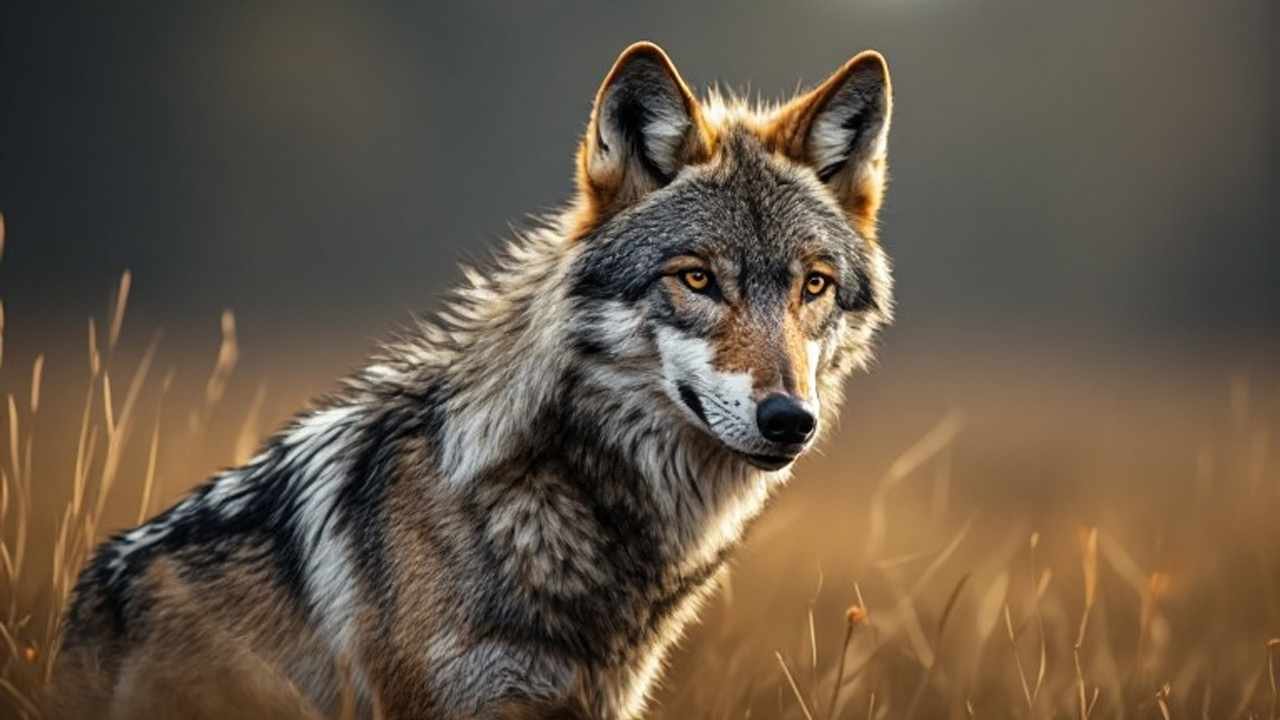
Canada Wolf & Coyote Hunting Seasons 2026–2027: Dates by Province
Canada does not have one national wolf or coyote season. Rules change by province, territory, wildlife unit, license class, and sometimes even land type. For 2026–2027, some places are simple—like Newfoundland and Labrador coyote from Sept. 12, 2026 to July 15, 2027 or Nunavut wolf from July 1, 2026 to June 30, 2027—while others, such as Ontario, British Columbia, Alberta, Saskatchewan, Yukon, and the Northwest Territories, require unit-by-unit checking before you hunt.
Most people looking this up just want a clear province-by-province season table, honest notes on where the rules actually change, and a heads-up about the spots where hunters tend to slip up. So that’s what this guide is — something you can plan with, not filler. You’ll get the current published 2026–2027 dates, a clear split between broad province-wide ranges and zone-based rules, and a short list of things worth double-checking before you head out.
Canada wolf and coyote season dates 2026–2027 at a glance
Important: “Open” does not always mean open everywhere. In several jurisdictions, you still need the correct WMU, GHA, zone, land access, or tag.
| Province / Territory | Coyote 2026–2027 | Wolf 2026–2027 | Key planning note |
|---|---|---|---|
| Alberta | Year-round on private land and White Area public land; Green Area generally from local big-game opener to May 31, 2027 or June 15, 2027 in some bear WMUs | From opening of big-game season in that WMU to May 31, 2027 or June 15, 2027 in some WMUs | Alberta is land-type and WMU driven, not one single calendar |
| British Columbia | Varies by MU; ranges include Sept. 1/10, 2026 to Mar. 31 or June 15/30, 2027, with no closed season in some areas | Varies by MU; ranges include Aug. 1 or Sept. 1/10, 2026 to Mar. 31 or June 15, 2027, plus no closed season in select areas | One of the most unit-specific provinces in Canada |
| Manitoba | Province-wide range commonly shown as Aug. 25, 2026 to Feb. 28, 2027 | Province-wide range commonly shown as Aug. 25, 2026 to Mar. 31, 2027 | Check GHA-level exceptions and any local bag-limit notes |
| New Brunswick | Several legal windows depending on licence: Mar. 2–Sept. 19, 2026, Oct. 1, 2026–Feb. 27, 2027, plus spring/fall bear overlap and Mar. 1–Sept. 18, 2027 | No published wolf hunting season listed | One of the most licence-dependent coyote systems in Canada |
| Newfoundland and Labrador | Sept. 12, 2026 to July 15, 2027 province-wide | Island: Oct. 15, 2026 to Mar. 31, 2027; Labrador South: Nov. 1, 2026 to Mar. 31, 2027; Labrador North: Oct. 15, 2026 to Mar. 31, 2027 | Very clean official dates; wolf bag limit is restricted |
| Nova Scotia | Hunting is commonly shown as year-round in many areas; trapping/furharvesting typically Oct. 15, 2026 to Mar. 31, 2027 | No wolf season | Verify WMU differences, Sunday rules, and landowner status |
| Ontario | Many WMUs: Sept. 15, 2026 to Mar. 31, 2027; some southern units all year | Same framework as coyote where legal | Eastern wolf protection closures make Ontario easy to misread |
| Prince Edward Island | Commonly shown as hunting through Mar. 31, 2027; snaring to Feb. 28, 2027; private land rules may be broader | No wolf season | Access is the real issue here because most land is private |
| Quebec | Zone-based: Oct. 18 or Oct. 25, 2026 to Mar. 31, 2027; some areas to Apr. 15, 2027 | Same zone-based dates as coyote in listed zones | Excellent for date lookup, but always zone-specific |
| Saskatchewan | Commonly shown as year-round for Saskatchewan residents in many WMUs, no limit | Often shown in listed WMUs as Oct. 15, 2026 to Dec. 7, 2026 | Resident vs guided access matters; verify exact WMU |
| Northwest Territories | Not consistently published as a simple territory-wide coyote calendar | No single territory-wide wolf date table; local and regional rules apply | Treat NWT as regional-rule country, not one-date country |
| Nunavut | No coyote listing located in the 2026–27 guide | July 1, 2026 to June 30, 2027 | HTO approval is central for wolf licences |
| Yukon | Check Game Management Subzone summary | Check Game Management Subzone summary | Yukon publishes by subzone, not by one tidy territory-wide predator date |
Predator hunting seasons for wolves and coyotes vary significantly across provinces and often have fewer restrictions. For waterfowl enthusiasts, also check the separate migratory bird hunting regulations
Province-by-province details hunters actually need
Alberta wolf and coyote season details 2026–2027
Alberta looks simple on the surface, but it is not. The real split is White Area vs Green Area, plus a few military-base exceptions.
Alberta quick breakdown
| Species | Main 2026–2027 rule | Best interpretation for trip planning |
|---|---|---|
| Coyote | Year-round on private land and White Area public land, except certain exceptions | Great option for flexible calling trips in agricultural country |
| Coyote in Green Area | From the local big-game opener to May 31, 2027 or June 15, 2027 where spring black bear remains open | Always match your WMU before assuming access |
| Coyote in CFB Wainwright (WMUs 728, 730) | Jan. 5, 2027 to Feb. 28, 2027 for residents | Narrow exception hunters often overlook |
| Wolf | From the opening of big-game season in that WMU to May 31, 2027 or June 15, 2027 in some areas | Alberta wolf timing depends on local openers, not one province date |
Alberta planning notes
- Do not assume the Green Area works like farmland coyote country.
- WMU timing matters more than many first-time hunters expect.
- Non-residents should verify wildlife certificate and guide/host requirements before booking.
- Alberta is strong for hunters who want long coyote opportunity without a single short window.
British Columbia wolf and coyote season details 2026–2027
BC is probably the most complex province in this whole topic. Searchers want one answer, but BC gives you management-unit logic instead.
British Columbia simplified season overview
| Species | Common date pattern | What it really means |
|---|---|---|
| Wolf | Starts as early as Aug. 1, 2026 in some northern units, or Sept. 1/10, 2026 in others; closes Mar. 31 or June 15, 2027 depending on region | You must check the exact MU and region |
| Coyote | Some areas start Sept. 1 or Sept. 10, 2026 and run to Mar. 31, June 15, or June 30, 2027 | Not one province-wide date |
| No closed season areas | Present for coyote in some MUs and wolf in select areas | Good for locals, dangerous for people who generalize |
BC key regional takeaways
- Region 6 (Skeena) gives some of the longest wolf opportunity, starting Aug. 1.
- Region 3 (Thompson) includes coyote areas with no closed season.
- Region 5 (Cariboo) also includes coyote areas with no closed season.
- Some elevation-based exceptions below 1100 m change how “open” works.
- Certain wolves must be compulsory reported in specific regions.
A lot of hunters say they checked BC rules when what they really checked was one screenshot or one app card. That is not enough. If you want a good example of how detailed the law becomes, review the British Columbia hunting synopsis before you plan a road trip.
Manitoba wolf and coyote season details 2026–2027
Manitoba is easier to scan than BC, but you still need to respect GHA-level variation.
Manitoba season snapshot
| Species | Province-wide range commonly shown for 2026–2027 | What to verify |
|---|---|---|
| Coyote | Aug. 25, 2026 to Feb. 28, 2027 | GHA differences and local exceptions |
| Wolf | Aug. 25, 2026 to Mar. 31, 2027 | Bag-limit notes and northern-area specifics |
Manitoba practical notes
- Manitoba often appeals to hunters who want late-fall and winter predator opportunity.
- Wolf season typically runs longer than coyote.
- Northern and remote areas may involve more travel logistics than regulation complexity.
- Check the current Manitoba guide before crossing into a new GHA.
New Brunswick coyote season details 2026–2027
New Brunswick deserves special attention because its coyote framework is licence-based, not just date-based.
New Brunswick coyote seasons by licence type
| Licence / situation | Open period |
|---|---|
| Varmint Licence | Mar. 2 – Sept. 19, 2026 |
| Bird and Small Game Licence | Oct. 1, 2026 – Feb. 27, 2027 |
| Deer and Game Bird Licence | Oct. 1, 2026 – Feb. 27, 2027 |
| Bear Licence – spring overlap | Apr. 20 – June 30, 2026 |
| Bear Licence – early fall overlap | Sept. 1 – Sept. 19, 2026 |
| Bear Licence – fall overlap | Oct. 1 – Nov. 22, 2026 |
| Varmint Licence next segment | Mar. 1 – Sept. 18, 2027 |
| Bear Licence spring 2027 | Apr. 19 – June 30, 2027 |
New Brunswick extra restrictions worth mentioning
- Snaring dates vary by WMZ.
- Firearms, muzzle-loaders, bows, crossbows, and some air/pellet guns may be used depending on the licence context.
- Teen hunters face extra accompaniment rules with larger firearms.
- No wolf hunting season is listed in the current provincial summary.
This is the kind of province where generic “coyote season in Canada” articles usually fail. Hunters want the legal pathway, not just a rough month range.
Newfoundland and Labrador wolf and coyote season details 2026–2027
This is one of the cleanest provinces to summarize because the official dates are straightforward.
Newfoundland and Labrador predator calendar
| Species | Area | Dates | Bag limit |
|---|---|---|---|
| Coyote | Province-wide | Sept. 12, 2026 – July 15, 2027 | N/A |
| Wolf | Island of Newfoundland | Oct. 15, 2026 – Mar. 31, 2027 | 1 |
| Wolf | Labrador South | Nov. 1, 2026 – Mar. 31, 2027 | 1 |
| Wolf | Labrador North | Oct. 15, 2026 – Mar. 31, 2027 | 1 |
Newfoundland and Labrador notes
- Labrador wolf timing is not identical across all areas.
- Hunters may need to submit skull or jaw material in Labrador by the stated deadline.
- Carcass collection and monitoring programs can add extra compliance steps.
- This is one of the easiest provinces for a reader to understand fast.
Nova Scotia coyote season details 2026–2027
Nova Scotia is mostly about coyote, not wolf.
Nova Scotia at a glance
| Item | 2026–2027 guidance |
|---|---|
| Coyote hunting | Commonly shown as year-round in many areas |
| Coyote trapping / furharvesting | Often shown as Oct. 15, 2026 – Mar. 31, 2027 |
| Wolf season | None |
Nova Scotia planning notes
- Verify the exact WMU because status can differ.
- Landowner-specific treatment may appear in some season tools.
- Sunday and local practice rules can affect trip timing.
- Nova Scotia is better described as a coyote access-and-compliance province than a wolf destination.
Ontario wolf and coyote season details 2026–2027
Ontario is a major search target because so many hunters want a simple answer, but the law is split between tag-required WMUs, no-tag all-year WMUs, and protected closure zones.
Ontario wolf and coyote season table
| Ontario area type | 2026–2027 open season | Tag rule |
|---|---|---|
| Listed tag-required WMUs | Sept. 15, 2026 – Mar. 31, 2027 | 2026 tag: Sept. 15 – Dec. 31, 2026; 2027 tag: Jan. 1 – Mar. 31, 2027 |
| Certain listed southern / central WMUs | All year | No tag |
Ontario hunter must-knows
- Closures exist in and around Algonquin, Killarney, Queen Elizabeth II Wildlands, and Kawartha Highlands areas for Eastern wolf protection.
- Party hunting rules are tighter where tags are required.
- Hunters can buy up to two tags per calendar year.
- Firearm restrictions change in some southern municipalities and counties.
- Ontario is one of the trickiest provinces to get right, which is exactly why so many hunters end up confused by the wolf and coyote season here.
If you are comparing predator dates with deer, moose, or mixed-species trip timing, the Ontario season guide is a natural next stop.
Prince Edward Island coyote season details 2026–2027
PEI is small, but it still needs careful wording because access matters more than raw dates.
Prince Edward Island quick view
| Item | 2026–2027 guidance |
|---|---|
| Eastern coyote hunting | Commonly shown through Mar. 31, 2027 |
| Snaring | Commonly shown through Feb. 28, 2027 |
| Private land | Often treated as broader access with no daily limit in current guide-style summaries |
| Wolf season | None |
PEI real-world notes
- Most of the island is private land, so permission is not optional.
- Sunday pauses and local enforcement culture matter.
- PEI is not a wolf destination.
- Good coyote timing means very little if you do not secure access.
Quebec wolf and coyote season details 2026–2027
Quebec is strong for search because the dates are specific, but still zone-based.
Quebec 2026–2027 coyote and wolf dates by zone
| Zone group | Dates | Species |
|---|---|---|
| Zones 1, 2, 3, 4, 5, 6, 7, 8, 9, 10, 11, 15, 26, 27 | Oct. 25, 2026 – Mar. 31, 2027 | Coyote and wolf |
| Zones 12, 13, 14, 16, 18, 21, 28 | Oct. 18, 2026 – Mar. 31, 2027 | Coyote and wolf |
| Zones 19 South, 29 | Oct. 18, 2026 – Apr. 15, 2027 | Coyote and wolf |
Quebec caveats that belong in every serious article
- Hunting may still be prohibited in specific territories inside an otherwise open zone.
- Local conditions can differ in structured lands and controlled territories.
- Dates can change, so a hunter should always verify before travelling.
- Quebec is one of the best provinces for a table-heavy guide because its season structure fits comparison content well.
Saskatchewan wolf and coyote season details 2026–2027
Saskatchewan attracts a lot of search traffic, especially from resident callers and guided hunters.
Saskatchewan season snapshot
| Species | Current published range commonly shown | Main caution |
|---|---|---|
| Coyote | Year-round for Saskatchewan residents in many WMUs, typically no limit | Always confirm exact WMU and residency rule |
| Wolf | In many listed WMUs, commonly shown as Oct. 15, 2026 – Dec. 7, 2026 | Availability is not province-wide and may be guided/unit dependent |
Saskatchewan planning notes
- The province uses many WMUs, so broad summaries are only a starting point.
- Coyote is much easier to summarize than wolf.
- Wolf information is often harder to compress into one clean provincial sentence.
- A short wolf season does not mean poor opportunity; it just means the legal window is tighter.
Northwest Territories wolf and coyote season details 2026–2027
NWT is where lazy content breaks down fast.
What to say clearly about the Northwest Territories
| Topic | Best current answer |
|---|---|
| Wolf season dates | No simple territory-wide one-line season table should be assumed |
| Coyote season dates | Not consistently published in a simple territory-wide sport-hunt format |
| How rules work | Regional tables, local conditions, land-claim rules, and closures can override broad assumptions |
NWT hunter checklist
- Identify the exact wildlife management unit or region
- Confirm whether the land is public, private, settlement, or Indigenous-owned
- Check for local conservation closures
- Do not assume southern province methods apply here
- Verify guide requirements if you are a non-resident
For SEO, honesty wins here. A trustworthy article should not fake a single neat calendar where the regulations do not actually work that way.
Nunavut wolf season details 2026–2027
Nunavut gives a cleaner answer for wolf than many people expect.
Nunavut wolf rules at a glance
| Item | 2026–2027 rule |
|---|---|
| Wolf season | July 1, 2026 – June 30, 2027 |
| Resident annual limit | No limit |
| Non-resident annual limit | 2 |
| Non-resident foreigner annual limit | 2 |
| Coyote listing in guide | No coyote entry located in the 2026–27 guide |
Nunavut key caveats
- Wolf is treated as a furbearer.
- Hunters need HTO approval before a wolf hunting licence is issued.
- Tags and hide/pelt handling rules matter.
- This is one of the few northern jurisdictions where a wolf season can be summarized cleanly, but access and approval still matter.
Yukon wolf and coyote season details 2026–2027
Yukon publishes hunting rules by Game Management Subzone, not in the neat province-wide style most searchers want.
Yukon practical answer
| Topic | Best current reading |
|---|---|
| Wolf dates | Check the current Yukon hunting regulations summary by Game Management Subzone |
| Coyote dates | Check the same subzone summary |
| How many subzones matter | Hundreds—Yukon uses a large subzone system |
| Big takeaway | Exact location decides open species, bag limit, and season dates |
Yukon hunter notes
- Carry the correct map.
- First Nations settlement land rules matter.
- Road, boundary, and special-area rules can matter as much as season dates.
- Yukon is a great example of why “by province” content must still explain subzone verification.
Best places in Canada for different predator-hunting goals
| Goal | Better bets | Why |
|---|---|---|
| Longest coyote opportunity | Alberta, Saskatchewan, Nova Scotia | Long or year-round access in many areas |
| Cleanest official dates | Newfoundland and Labrador, Quebec, Ontario | Easier to confirm and explain |
| Wolf-focused trip planning | BC, Newfoundland and Labrador, Nunavut, Ontario | Published wolf pathways are clearer |
| Low-complexity reading | Newfoundland and Labrador, Quebec | Cleaner calendar structure |
| High-opportunity but high-complexity planning | BC, Alberta, Ontario, Yukon, NWT | Excellent hunting country, but details matter |
Common mistakes that ruin predator-hunt planning
- Assuming “open in the province” means open in your unit
- Ignoring private land permission
- Confusing hunting dates with trapping/snaring dates
- Missing calendar-year tag rules in Ontario
- Forgetting that a northern territory may use community or land-claim overlays
- Booking a non-resident trip before checking whether a guide or host is required
FAQs
Are wolf and coyote seasons the same in every Canadian province?
No. Some provinces group them together in the same legal table, while others separate them, and some territories do not publish them as one clean territory-wide schedule at all.
Which province has the easiest coyote season to understand?
Newfoundland and Labrador is one of the easiest because the province-wide coyote dates are clearly stated. Quebec is also easy if you know your zone.
Can you hunt coyotes year-round in Canada?
Not across Canada as a whole. However, year-round or near year-round access appears in parts of Alberta, Saskatchewan, Nova Scotia, and some other local frameworks. The exact legal meaning changes by province and land type.
Is wolf hunting available in Prince Edward Island or Nova Scotia?
No published wolf season appears for either PEI or Nova Scotia in the currently reviewed 2026–2027 guidance.
Why are British Columbia and Yukon harder to summarize?
Because both rely heavily on management-unit or subzone rules. A province-level article can help, but it cannot replace the exact map and regulation page for your hunting area.
Do non-residents need extra steps for wolf hunts in Canada?
Often, yes. Depending on the jurisdiction, you may need a wildlife certificate, specific tags, local approval, an outfitter, or proof of legal access. This matters most in northern and heavily managed regions.
Final takeaway
Hunters want the date, the legal nuance, and the trapdoors to avoid. So here is the bottom line:
- Best simple-date provinces: Newfoundland and Labrador, Quebec, Ontario
- Best long-window coyote provinces: Alberta, Saskatchewan, Nova Scotia
- Most complex rule sets: British Columbia, Yukon, Northwest Territories
- Clear northern wolf option: Nunavut
- Biggest planning mistake: not checking the exact unit, land status, and current seasonal summary

- Canada Hunting Youth Regulations 2026–2027: Age Requirements, Licences & Hunter Rules by Province - October 10, 2026
- Where to Hunt in Canada: Provinces, Species & Planning Guide - October 10, 2026
- Hunting Tags in Canada: Validation, Attachment and Transport Rules Every Hunter Must Know - October 5, 2026