Peak Rut Dates for Moose, Elk, and Deer in Canada: The Complete 2026–2027 Province-by-Province Calendar
If you’re lining up a Canadian big-game hunt for the 2026–2027 season, mark these windows now — moose rut peaks between late September and mid-October, elk are at their loudest and most aggressive from mid-September to early October, whitetail deer breed hardest in early to mid-November, and mule deer plus black-tailed deer chase does in late November to early December. Latitude shifts every one of these dates, which is why a bull moose in the Yukon can be fully rutted ten days before his cousin in New Brunswick. In the tables below, you’ll find the pre-rut, peak, and post-rut window for each species and each of Canada’s thirteen provinces and territories, so you can book your hunt, pull your tags, and pick your week with confidence.
Here’s the critically important distinction most first-timers miss: a rut window is a biological event, not a regulated season. Provinces set open seasons by wildlife management units, and those dates rarely match the rut exactly. Photoperiod — the shrinking daylight after the summer solstice — drives hormone shifts, antler hardening, velvet shed, and ultimately breeding, and northern herds respond with almost clockwork consistency year after year. That’s the good news for you: once you know your zone’s peak breeding window for 2026–2027, you can plan your vacation, your outfitter booking, and your calling strategy around it rather than guessing. And here’s the part that hooks me every autumn: I’ve watched hunters sit a stand for two weeks in the wrong corner of October and leave convinced the deer vanished, when the real story was simply that they arrived a week too early or a week late. This guide exists so that doesn’t happen to you.
Why Rut Timing Varies Across Canada
Before we get to the tables, understand the four forces that move the rut around. They explain nearly every regional difference you’ll see below:
- Latitude and photoperiod — the further north you go, the more dramatic the daylight shift, and the tighter and earlier the breeding window becomes. This is why Yukon and NWT moose run up to ten days ahead of southern herds.
- Weather and snowpack — a warm Indian summer can slow visible rutting activity, but it rarely delays breeding. Moose and elk rut on schedule whether it’s 5°C or 20°C; weather mainly affects how much you see during daylight.
- Herd genetics and demographics — herds with balanced buck-to-doe ratios rut tighter and more visibly. Poorly balanced herds stretch the window and scatter the action.
- Local herd history — introduced or recovering populations (Ontario’s elk, Anticosti Island’s deer) often show their own quirks, sometimes running a week or two later than regional norms.
Canada-Wide Rut Windows at a Glance (2026–2027)
| Species | Pre-Rut | Peak Rut | Post-Rut / Tail | Best Calling Window |
|---|---|---|---|---|
| Moose | Sep 15 – Sep 28 | Sep 29 – Oct 8 | Oct 9 – Oct 20 | Sep 29 – Oct 10 |
| Elk | Sep 1 – Sep 14 | Sep 15 – Sep 30 | Oct 1 – Oct 12 | Sep 15 – Sep 30 |
| Whitetail Deer | Oct 25 – Nov 5 | Nov 5 – Nov 20 | Nov 20 – Nov 30 | Nov 5 – Nov 18 |
| Mule Deer | Nov 1 – Nov 14 | Nov 15 – Dec 5 | Dec 5 – Dec 15 | Nov 15 – Dec 1 |
| Black-tailed Deer (BC coast) | Nov 10 – Nov 20 | Nov 22 – Dec 10 | Dec 10 – Dec 20 | Nov 25 – Dec 5 |
| Barren-ground Caribou (territories) | Sep 20 – Sep 25 | Sep 25 – Oct 5 | Oct 5 – Oct 15 | late Sep |
Treat these as the national anchors. Every province below adjusts them by a few days to a couple of weeks.
Rut timing is particularly important when planning deer hunts, but hunters should also account for seasonal weather changes and shifting deer behavior; our guide to Early Season vs Late Season Deer Hunting covers these factors in greater detail.
The Three Phases of the Rut, Explained Simply
Understanding the phases is what separates a hunter who calls bulls in from one who spooks them:
- Pre-rut (seeking phase): animals stage quietly, scrapes and rubs appear, bulls begin wallowing and testing cows. Calling works, but responses can be half-hearted. For moose this is roughly Sep 20–28; for elk, the first two weeks of September; for whitetails, the last week of October.
- Peak rut (chase phase): the first does and cows cycle into heat, and everything moves. Bulls and bucks abandon caution, chase relentlessly, and respond aggressively to calls and decoys. This is your money window — book your hunt here if you can.
- Post-rut: most females are bred, exhausted males go quiet and hard to locate, and activity drops sharply. A secondary, weaker surge happens 20–28 days later when unmated females cycle again — worth knowing if your season runs long.
Moose Rut Dates by Province and Territory (2026–2027)
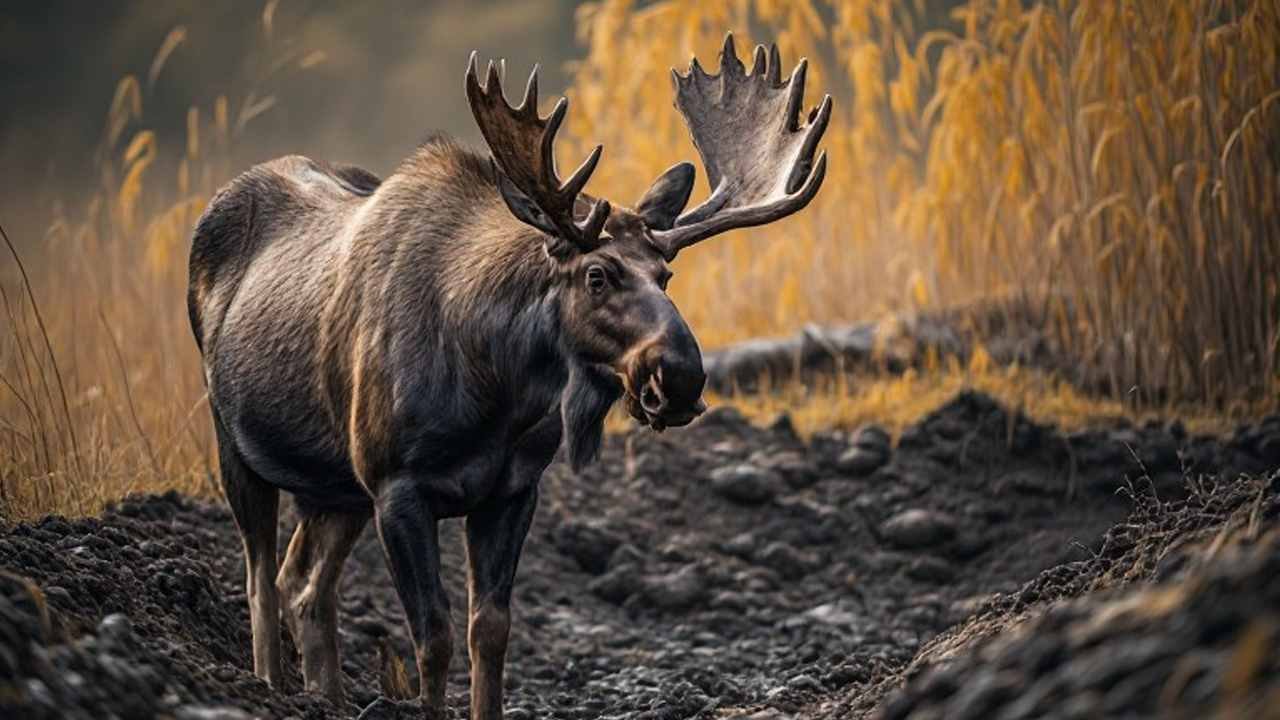
Moose are Canada’s signature rut animal, and their window is remarkably consistent coast to coast, with the north running earlier. New Brunswick, Quebec, Ontario, and Newfoundland consistently produce some of the best calling-hunt action in the world.
| Jurisdiction | Pre-Rut | Peak Rut Window | Post-Rut & Notes |
|---|---|---|---|
| Alberta | Sep 20–28 | Sep 29 – Oct 8 | Calling stays productive to Oct 15; southern WMUs run a few days later than northern ones |
| British Columbia | Sep 18–26 (north) / Sep 24–Oct 1 (south) | Sep 27 – Oct 8 | Mackenzie and northern herds peak ~1 week earlier; coastal zones slightly later |
| Manitoba | Sep 20–28 | Sep 29 – Oct 6 | Boreal and northern zones lead; stragglers still calling to mid-October |
| New Brunswick | Sep 25 – Oct 1 | Oct 1 – Oct 10 | One of Canada’s classic rut-hunting provinces; calling stays hot all week |
| Newfoundland & Labrador | Sep 20–28 (Labrador earlier) | Sep 28 – Oct 8 | Island herd is dense and active; Labrador bulls run ahead of the island |
| Nova Scotia | Sep 25 – Oct 2 | Oct 1 – Oct 10 | Mainland and Cape Breton follow the same general timetable |
| Ontario | Sep 25 – Oct 2 | Oct 1 – Oct 10 | Northern districts peak a few days earlier than the south |
| Prince Edward Island | — | Not applicable | No wild moose population on PEI |
| Quebec | Sep 22–30 | Sep 28 – Oct 8 | Northern and central zones lead; western zones hold action into Oct 10–15 |
| Saskatchewan | Sep 20–28 | Sep 28 – Oct 6 | Northern boreal zones peak first |
| Northwest Territories | Sep 15–25 | Sep 20 – Oct 1 | Runs a week to ten days ahead of southern Canada |
| Nunavut | — | Not applicable | No moose population; caribou and muskox are the rut species here |
| Yukon | Sep 15–25 | Sep 20 – Oct 1 | Alaska–Yukon moose can be fully rutted a full two weeks before New Brunswick |
Practical moose notes: bulls dig wallows in the pre-rut, and finding fresh, pungent wallows is your best early-season signal. During peak, calling sequences with cow grunts and careful raking work best; after Oct 10, bulls get quieter and harder to call but still respond to well-placed decoys. If you’re booking a guided hunt, most experienced operators — and the long-time moose hunters’ favourite peak-rut windows documented by North American Outdoorsman — will steer you to the last days of September through the first ten days of October, with far-north hunts a week earlier. For the full regulatory picture, cross-check the Canada-wide moose hunting season dates before you commit to travel.
Elk Rut Dates by Province and Territory (2026–2027)
Elk hunting is a western Canada game. Alberta, British Columbia, and Saskatchewan hold the wild herds; Ontario has a small, draw-only hunt; the Atlantic provinces and territories have no huntable free-range elk at all — and Quebec’s elk hunting happens only inside high-fence reserves.
| Jurisdiction | Pre-Rut | Peak Bugling | Post-Rut & Notes |
|---|---|---|---|
| Alberta | Sep 1–14 | Sep 15 – Sep 30 | Foothills and Rockies; heaviest bugling usually Sep 20–28 |
| British Columbia | Sep 1–15 | Sep 15 – Sep 30 | Kootenay and Rocky Mountain zones often peak mid-to-late September, a touch ahead of the Interior |
| Manitoba | Sep 15–22 | Sep 20 – Oct 5 | Western Game Hunting Areas, including Duck Mountain country |
| New Brunswick | — | Not applicable | No wild elk population |
| Newfoundland & Labrador | — | Not applicable | No elk population |
| Nova Scotia | — | Not applicable | Native elk extirpated; no huntable herd |
| Ontario | Sep 15–22 | Sep 22 – Oct 5 | Nipigon and Lake Superior region; draw-only and slightly later than the west |
| Prince Edward Island | — | Not applicable | No elk population |
| Quebec | — | Reserve-only hunting | No wild free-range elk; high-fence operations only |
| Saskatchewan | Sep 1–14 | Sep 15 – Sep 30 | Grasslands and boreal fringe; general season lines up neatly with peak rut |
| Northwest Territories | — | Not applicable | Occasional wanderers near the Alberta border; no breeding herd |
| Nunavut | — | Not applicable | No elk population |
| Yukon | late Sep | Sep 25 – Oct 8 | The Takhini herd runs later than the national average |
Practical elk notes: listen for the bugle — that’s your peak-rut alarm clock. In Alberta and BC, the last ten days of September routinely deliver the most aggressive, daylight bugling of the year, while Ontario bulls lag into early October. If your hunt falls in the pre-rut, focus on wallows, fresh rubs, and feeding edges rather than calling; elk in early September respond best to soft cow chirps, not challenge bugles.
Deer Rut Dates by Province and Territory (2026–2027)
Deer are the most huntable species in the country, and every province except Nunavut has some form of deer action. Whitetails dominate everywhere east of the Rockies and across the Prairies; mule deer and black-tailed deer rule the west.
| Jurisdiction | Whitetail Pre-Rut | Whitetail Peak Rut | Mule Deer / Blacktail Notes |
|---|---|---|---|
| Alberta | Oct 25 – Nov 5 | Nov 5 – Nov 20 | Mule deer peak Nov 15 – Dec 5 in the foothills and badlands |
| British Columbia | Oct 25 – Nov 5 | Nov 5 – Nov 15 | Interior mule deer Nov 15 – Dec 5; coastal blacktails Nov 22 – Dec 10 |
| Manitoba | Oct 25 – Nov 6 | Nov 7 – Nov 20 | Small mule deer fringe in the southwest |
| New Brunswick | Oct 28 – Nov 5 | Nov 5 – Nov 15 | Tight, reliable November window |
| Newfoundland & Labrador | Oct 28 – Nov 5 | Nov 5 – Nov 15 | Whitetails expanding on the island |
| Nova Scotia | Oct 28 – Nov 5 | Nov 5 – Nov 15 | Southwestern zones can push into late November |
| Ontario | Oct 25 – Nov 5 | Nov 5 – Nov 15 | Northern districts sometimes peak in the last week of October |
| Prince Edward Island | Nov 1 – Nov 8 | Nov 7 – Nov 15 | Island bucks follow the standard November timetable |
| Quebec | Oct 25 – Nov 5 | Nov 5 – Nov 15 | Anticosti Island herds can run later, into late November–December |
| Saskatchewan | Oct 25 – Nov 5 | Nov 5 – Nov 20 | Among the best whitetail provinces in North America; mule deer Nov 15 – Dec 5 |
| Northwest Territories | — | Not applicable | No huntable whitetail population (rare expansion sightings near Alberta) |
| Nunavut | — | Not applicable | No deer species |
| Yukon | — | Not applicable | No established whitetail or mule deer herd |
Practical deer notes: Canadian whitetail herds are famous for their synchronized November rut. Conception studies across the northern states and Canada consistently show peak breeding in early to mid-November with very little year-to-year drift — regardless of moon phase or weather, as the photoperiod research on northern whitetail breeding times from Vortex Optics explains in detail. That predictability makes November 5–15 the single safest window to book a whitetail stand anywhere in the country. For mule deer fans, late November is your month; for coastal blacktail hunters, the end of November into early December. If you want the full picture on choosing a province and a week, the where and when to chase whitetails across Canada species guide is the place to start.
How Latitude Shifts the Rut: North vs. South
One rule explains most of the confusion you’ll find on hunting forums: the north runs early, the south runs late, and the difference grows with latitude.
- Moose and elk: expect the far-north herds — Yukon, NWT, northern BC, northern Saskatchewan — to hit peak rutting activity one to two weeks before their southern counterparts. A hunter who books northern moose for October 10 may find the party already over.
- Whitetails: the effect is smaller but real. Deep-north Ontario and Quebec herds sometimes peak in the last week of October, while southern prairie and Maritime herds hold until mid-November. Still, across Canada the spread is only about ten days — nothing like the chaos you see in the southern United States.
- Mule deer and blacktails: the western rut is later across the board, which conveniently stacks with whitetail season — many western hunters chase November whitetails, then pivot to rutting mule deer into December.
Rut Behaviour Cues to Watch in the Field
You don’t need a calendar if you can read the woods. These signs tell you exactly which phase you’re in:
- Fresh rubs on saplings — whitetail bucks marking territory; ramps up hard in the last week of October.
- Scrape lines — clusters of pawed-up earth under overhanging branches; peak activity Nov 5–15.
- Moose wallows — muddy, urine-soaked pits that smell unmistakably of bull; freshest in the pre-rut and peak.
- Elk bugling at dawn and dusk — the single loudest signal in the forest; hear it and you’re in the window.
- Bulls or bucks dogging single females — you’re at peak. Park yourself nearby and call sparingly.
- Sudden silence — post-rut. The breeding is done; switch to still-hunting travel corridors instead of calling.
Planning Your 2026–2027 Hunt Around the Rut
Here’s how to turn these windows into a booked trip:
- Pick your species first, then your province — the tables above are ordered exactly that way.
- Match your hunt dates to the peak window, then check the open season for your chosen wildlife management unit; in most provinces the two overlap neatly, but don’t assume.
- Book outfitters 10–14 months out for peak-window dates — the best camps fill fast for the last week of September and the first ten days of November.
- Budget for a second week if you can; the rut rewards patience, and a post-rut secondary surge often rescues a slow trip.
- Know your licence rules before you fly — non-resident tags, draw systems, and outfitter requirements vary wildly from Alberta to Nova Scotia, and some provinces (Ontario elk, for example) close the door to non-residents entirely.
Five Field Tips That Pay Off Every Autumn
Keep these in your back pocket, because they work in every province:
- Hunt the weather, not the moon. The rut is set by daylight; your visibility is set by fronts. Cold snaps and first snows trigger daytime movement.
- Call less during peak. At the height of the rut, bulls and bucks come to decoys and silence more often than to aggressive calling.
- Stay all day. November whitetail and late-September elk both move at midday during the rut — mid-morning to mid-afternoon is underrated.
- Watch the does. Hunters who locate the female groups are always near the action; bucks find them faster than you will.
- Have a post-rut plan. A slow first week doesn’t mean a failed hunt — know the travel corridors and food sources for the quieter tail end.
Frequently Asked Questions
When exactly is the moose rut in Canada in 2026?
Plan on September 29 to October 8 as the heart of it almost everywhere, with Yukon and NWT hunts peaking about a week earlier and southern BC, Ontario, Quebec, and the Maritimes holding action into October 10–15.
What’s the best week for elk hunting in Alberta and BC 2026?
The safest call is September 20–28 in both provinces, when bugling is loudest and most reliable. Book around that window and you’ll be in the woods during prime rutting activity.
Do whitetail rut dates change from year to year?
Not by much. Across Canada, peak breeding lands in early to mid-November every year, with minimal variation regardless of moon phase or weather. That consistency is why November 5–15 is the classic booking window.
Which province has the best 2026–2027 moose rut hunting?
New Brunswick, Quebec, Ontario, and Newfoundland all produce exceptional calling hunts. If you want the earliest action, look north to the Yukon or NWT; if you want maximum huntable land and season flexibility, Alberta and BC lead.
Is the rut the same as the hunting season?
No — and this confuses plenty of hunters. The rut is a biological breeding window; hunting seasons are set by each province’s wildlife agency and can open before, during, or after the rut depending on the management unit. Always confirm both before you book.
What should I do if my hunt falls in the pre-rut?
Don’t force the calling. Hunt food sources and travel corridors, pattern rubs and scrapes, and use soft, infrequent calls. The pre-rut builds tension — position yourself so you’re ready when the chase phase ignites.
Final Thoughts
The 2026–2027 rut season in Canada shapes up like any other: predictable at the species level, variable at the zip-code level. Anchor your moose hunt to late September through the first week of October, your elk hunt to the last two weeks of September, and your whitetail hunt to November 5–20 — then adjust a few days north or south using the tables above. Do that, and you’ll be in the right place at the right time, which is more than half the battle in big-game hunting.

- Canada Hunting Youth Regulations 2026–2027: Age Requirements, Licences & Hunter Rules by Province - October 10, 2026
- Where to Hunt in Canada: Provinces, Species & Planning Guide - October 10, 2026
- Hunting Tags in Canada: Validation, Attachment and Transport Rules Every Hunter Must Know - October 5, 2026