
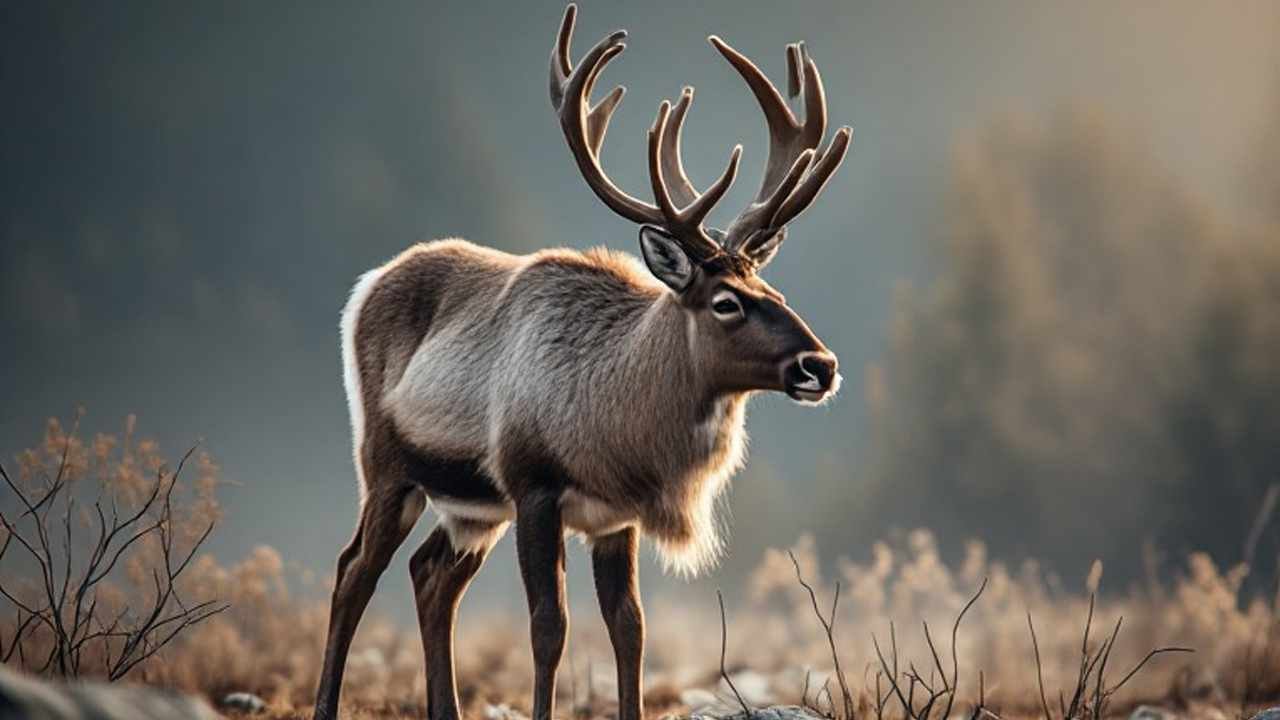
Canada Caribou Hunting Season 2026–2027: Province-by-Province Dates, Tags & Regulations
If you’re planning a caribou hunt in Canada for 2026–2027, here’s the short answer: seasons are open in Newfoundland and Labrador (bow from August 29, firearms from September 12), Manitoba (August 31–October 18), British Columbia (LEH-only, Region 7 open from September 1), Nunavut (July 1–October 15), the Northwest Territories (boreal caribou July 15–December 15), and Yukon (August 1–October 31 where open). Several provinces — including Alberta, Saskatchewan, Ontario, Quebec (for non-residents), Nova Scotia, New Brunswick, and Prince Edward Island — have no open public caribou seasons due to population declines or threatened-species designations. Regulations vary sharply by province, herd, and Wildlife Management Unit, so verifying the exact zone before booking is non-negotiable.
So you’re looking at a caribou hunt and wondering where you can still legally pull the trigger in Canada — and more importantly, where you actually stand a realistic chance? The landscape has shifted dramatically over the past decade. Herds that once numbered in the hundreds of thousands have contracted, and wildlife managers have responded with sweeping closures and quota reductions. But there are still genuine, high-quality hunting opportunities left across this country, and this guide lays out every detail you need — season dates, tags, quotas, licensing fees, and provincial rules — so you walk in prepared, not surprised.
Quick-Reference: Canada Caribou Hunting Season Status by Province/Territory 2026–2027
| Province / Territory | Season Status | Season Dates | Caribou Type | Non-Resident Allowed? |
|---|---|---|---|---|
| Newfoundland & Labrador | ✅ Open | Aug 29 (bow); Sep 12–Dec 6 (firearms) | Woodland | Yes (via outfitter) |
| Manitoba | ✅ Open | Aug 31–Oct 18, 2026 | Barren-ground | Yes (mandatory guide) |
| British Columbia | ✅ Limited (LEH) | Sep 1–Sep 30, 2026 (Region 7) | Mountain/Woodland | LEH draw only |
| Yukon | ✅ Open (where applicable) | Aug 1–Oct 31, 2026 | Barren-ground/Woodland | Yes (PHA required in many GMS) |
| Northwest Territories | ✅ Open | Jul 15–Dec 15 (boreal); varies (barren-ground) | Boreal & Barren-ground | Yes (zone/herd specific) |
| Nunavut | ✅ Open | Jul 1–Aug 31 (summer); Sep 1–Oct 15 (fall) | Barren-ground | Yes (guided hunt mandatory) |
| Alberta | 🚫 Closed | No open season | Woodland (Threatened) | No |
| Saskatchewan | 🚫 Closed | No public season | Woodland (At Risk) | No |
| Ontario | 🚫 Closed | No open season | Woodland (Threatened) | No |
| Quebec | 🚫 Closed to non-residents | No public non-resident season | Woodland/Barren-ground | No |
| New Brunswick | 🚫 Closed | Extirpated locally | — | No |
| Nova Scotia | 🚫 Closed | Extirpated locally | — | No |
| Prince Edward Island | 🚫 Closed | No indigenous population | — | No |
Newfoundland and Labrador: Canada’s Premier Woodland Caribou Destination
Newfoundland remains the single best jurisdiction in Canada for woodland caribou hunting with a licensed draw system that remains genuinely accessible. The island herd, while managed conservatively, still supports a total 2026-27 quota of 614 caribou licences — an increase of 2 from the previous season.
Newfoundland Island Caribou Season Dates & Quotas 2026–2027
| Caribou Management Area (CMA) | 2026 Season Dates | Resident Either Sex | Resident Male | Non-Resident Quota | Total Quota |
|---|---|---|---|---|---|
| 61 Lapoile | Sep 12 – Dec 6 | 0 | 38 | 27 | 65 |
| 62 Buchans | Sep 12 – Dec 6 | 0 | 48 | 37 | 85 |
| 63 Grey River | CLOSED | — | — | — | 0 |
| 64 Middle Ridge | Sep 12 – Dec 6 | 0 | 188 | 82 | 270 |
| 65 Avalon Peninsula | CLOSED | — | — | — | 0 |
| 66 Gaff Topsails | Sep 12 – Dec 6 | 0 | 25 | 19 | 44 |
| 67 Pot Hill | Sep 12 – Dec 6 | 0 | 16 | 14 | 30 |
| 68 Mount Peyton | Sep 12 – Dec 6 | 0 | 10 | 5 | 15 |
| 69 Northern Peninsula | CLOSED | — | — | — | 0 |
| 70 Merasheen | Sep 19 – Oct 4 | 25 | 0 | 0 | 25 |
| 71A Grey Islands (Lower) | Sep 12 – Nov 30 | 5 | 0 | 0 | 5 |
| 71B Grey Islands (Upper) | Sep 12 – Nov 30 | 0 | 0 | 6 | 6 |
| 72 Fogo Island | Sep 12 – Oct 11 | 0 | 4 | 0 | 4 |
| 76 St. Anthony | Sep 12 – Dec 6 | 0 | 19 | 26 | 45 |
| 77 Cape Shore | Sep 12 – Dec 6 | 0 | 10 | 0 | 10 |
| 78 Hampden Downs | Sep 12 – Dec 6 | 0 | 2 | 3 | 5 |
| 79 Adies Lake | Sep 12 – Dec 6 | 0 | 2 | 3 | 5 |
| TOTALS | 30 | 362 | 222 | 614 |
Key 2026–27 Changes in Newfoundland:
- Bow hunting begins August 29, 2026 across most CMAs (crossbows excluded)
- The majority of available licence types have shifted to male-only harvests to protect breeding females and improve calf recruitment
- CMA 71A is now officially titled Grey Islands (Lower); CMA 71B is Grey Islands (Upper) — updated maps are required
- Aerial census data collected in winter 2026 may trigger further quota adjustments before the draw closes
- All licence applications are processed online only through the Wildlife Information Management System (WIMS) at wildlife.gov.nl.ca
Important Advisory: Hunters are strongly discouraged from harvesting adult bull caribou during the first three weeks of October — the peak of the rut — as the meat quality deteriorates significantly during this period.
For a full look at Newfoundland and Labrador hunting seasons, the province-by-province breakdown covers all species and zones in detail.
Manitoba: Barren-Ground Caribou on the Qamanirjuaq Herd
Manitoba is one of only a handful of Canadian jurisdictions where a non-resident can book a legitimate guided barren-ground caribou hunt in 2026. The province’s northern Churchill region sits directly in the migratory path of the Qamanirjuaq herd — one of the largest remaining barren-ground herds in the world.
Manitoba Caribou Hunting Fast Facts 2026
| Detail | Information |
|---|---|
| Season Dates | August 31 – October 18, 2026 |
| Caribou Type | Barren-ground |
| Bag Limit | One male per licence |
| Resident Licence Fee | $118.40 CAD |
| Canadian Non-Resident Fee | $399.25 CAD |
| Foreign Non-Resident Fee | $399.25 CAD |
| Guide Requirement | Mandatory for non-Canadian residents |
| Hunter-to-Guide Ratio | Maximum 3 hunters per guide |
| DIY Option (Non-Resident) | Not permitted by law |
What makes Manitoba different from Newfoundland is the structure: there is no public draw for non-residents. Tags flow exclusively through licensed Manitoba outfitters, meaning your booking with a registered operation is the pathway to a tag — not a government lottery. The season window from late August to mid-October is deliberately timed to coincide with bulls carrying their best antler growth, just ahead of and during the early rut.
Planning a trip to Manitoba? Review the complete Manitoba hunting season guide for full zone maps and outfitter contacts.
British Columbia: Limited Entry Hunting Returns for Caribou in 2026
British Columbia made significant news with its 2026–2028 Hunting and Trapping Regulations Synopsis, which converted certain previously closed caribou areas back to Limited Entry Hunting (LEH) status. This is a meaningful change for hunters who had written BC off.
British Columbia Caribou Hunting Summary 2026–2027
| Region | Season Status | Season Dates | Mechanism | Notes |
|---|---|---|---|---|
| Region 7B (Northeast BC) | ✅ LEH Open | Sep 1 – Sep 30, 2026 | LEH Draw | Scoop Lake territory |
| Southern Mountain Caribou zones | 🚫 Closed | — | — | Multiple closures remain |
| Other restricted units | Varies | Varies | LEH only | Check unit-specific synopsis |
Critical points for BC hunters:
- Authorizations are very limited — this is not a high-volume hunt program
- The 2026 LEH results must be checked at gov.bc.ca/hunting before making travel plans
- Many southern BC management units remain closed indefinitely due to ongoing recovery efforts for mountain caribou subpopulations
- Mandatory hunter reporting for caribou (implemented in 2024) remains in effect for the 2026–2028 cycle
- Hunters must consult the 2026–2028 Hunting and Trapping Regulations Synopsis (available on the BC government website) for unit-specific opening dates, as they vary across management zones
See the British Columbia hunting seasons page for the full list of WMAs and LEH draw timelines.
Yukon: Caribou Hunting Across Multiple Herds
The Yukon remains one of Canada’s most iconic big-game hunting destinations, with access to both barren-ground and woodland caribou depending on the Game Management Subzone (GMS). The 2026–27 season follows the territory’s well-established permit-based system.
Yukon Caribou Season Details 2026–2027
| Element | Details |
|---|---|
| General Season Window | August 1 – October 31, 2026 (where open) |
| Seal Fee | $10 CAD per animal |
| Permit Requirement | Permit Hunt Authorization (PHA) required in many GMS |
| Application Deadline | May 15, 2026 (PHA draw) |
| Closed Subzones | 2-16, 2-23, 2-27, 2-28, 2-39 (closed to licensed hunting) |
| Resident Application | Wildlife Information Management System (WIMS) |
Important: The Yukon’s 2026–27 caribou regulations require hunters to apply for permits through the WIMS portal, with the draw deadline having passed May 15. Hunters planning for 2027 should apply early. Always verify your specific GMS before travel — not all subzones with caribou populations have open seasons, and some are managed under First Nations agreements that restrict access.
Northwest Territories: Two Caribou Types, Complex Zone Rules
The NWT offers some of Canada’s most remote caribou hunting, but it demands the most homework before you go. Two distinct caribou types are available, and the regulations differ fundamentally between them. According to the Northwest Territories hunting season guide, the framework is as follows:
NWT Caribou Season Framework 2026–2027
| Caribou Type | Season Dates | Licensing | Special Rules |
|---|---|---|---|
| Boreal Caribou | July 15 – December 15, 2026 | Resident Hunting Licence + General Hunting Licence + tag | Local closures and zone rules may apply |
| Barren-ground Caribou | Zone/herd dependent | Tag required | Community-managed; draws/quotas/community rules apply |
Three things NWT hunters must do before booking:
- Identify the exact herd you intend to hunt — different herds are managed under different frameworks
- Check for mobile core area closures — these shift seasonally and can override general calendar dates
- Verify land claim provisions — many areas in the NWT fall under Dene, Métis, or Inuit land agreements that govern access for licensed hunters
The NWT is not the place to show up and figure it out on the ground. Conservation closures, community-controlled quotas, and overlapping Indigenous harvest rights make pre-trip regulatory confirmation non-negotiable.
Nunavut: Quota-Draw System for Barren-Ground Caribou
Central Nunavut remains one of the few places where non-resident hunters can still legally pursue barren-ground caribou in Canada, but the access mechanism is unlike any southern province.
Nunavut Caribou Hunting Details 2026–2027
| Element | Details |
|---|---|
| Summer Season | July 1 – August 31, 2026 |
| Fall Season | September 1 – October 15, 2026 |
| Caribou Type | Barren-ground |
| Tag System | Quota draw managed by local Hunters and Trappers Organizations (HTOs) |
| Bag Limit | One animal per hunter (typically) |
| Non-Resident Requirement | Licensed outfitter/guide mandatory for all big game |
| Tag Procurement | Outfitter handles paperwork; tags are not over-the-counter |
Tags in Nunavut are not sold across a counter. They flow through community quota allocations managed by HTOs — organizations that make decisions based on herd health and community harvest data. When you book with a licensed Nunavut outfitter (typically operating out of Baker Lake or similar communities), they navigate the tag system on your behalf. Expect all-inclusive guided hunt packages for this destination.
Provinces Where Caribou Hunting Is Closed in 2026–2027
Understanding where you cannot hunt is just as important as knowing where you can. Several provinces have either extirpated local populations or imposed indefinite closures to allow herds to recover.
Closed Jurisdiction Summary
| Province | Status | Reason for Closure |
|---|---|---|
| Alberta | Closed indefinitely | Woodland caribou designated “Threatened” under the Wildlife Act since 1985; no public harvest permitted |
| Saskatchewan | Closed to sport hunting | Woodland caribou classified as a species at risk; only Aboriginal subsistence harvesting permitted |
| Ontario | Closed to public harvest | Woodland caribou listed as Threatened; no licensed season in any WMU |
| Quebec (non-residents) | Closed to non-residents | Herd declines closed non-resident access; Nunavik hunting ended for non-residents |
| New Brunswick | Closed | Woodland caribou extirpated from the province |
| Nova Scotia | Closed | Woodland caribou extirpated locally |
| Prince Edward Island | No season | No indigenous caribou population exists |
Licensing, Costs & Application Timelines: What to Expect
Getting your paperwork sorted before the season is half the battle. Here’s a consolidated look at the licensing landscape across open jurisdictions:
Caribou Hunting Licence Costs by Province/Territory 2026
| Province / Territory | Resident Licence | Non-Resident / Foreign | Application Method | Deadline |
|---|---|---|---|---|
| Newfoundland (Island) | Draw-based (WIMS) | Outfitter-allocated | Online – WIMS portal | Before draw date (check gov.nl.ca) |
| Manitoba | $118.40 CAD | $399.25 CAD | Through registered outfitter | Contact outfitter |
| British Columbia | LEH draw | LEH draw | Online LEH application | Prior to LEH draw window |
| Yukon | WIMS + $10 seal | WIMS + PHA | Online draw | May 15, 2026 (2026-27 PHA) |
| Northwest Territories | Resident + General Licence + tag | Tag through official channel | Check herd/zone registry | Varies by zone/community |
| Nunavut | Via HTO quota | Outfitter packages | Outfitter handles paperwork | Varies by outfitter availability |
What Type of Caribou Can You Hunt in Canada?
Not all Canadian caribou hunting refers to the same animal. There are three primary ecotypes relevant to hunters:
| Ecotype | Where Found | Current Hunt Status |
|---|---|---|
| Barren-ground Caribou | Manitoba, Nunavut, NWT, Yukon | Open in limited jurisdictions |
| Woodland Caribou | Newfoundland, BC (limited) | Open with quotas/LEH |
| Mountain Caribou | Northern BC (historically) | LEH-restricted; most areas closed |
The barren-ground ecotype is the classic “migration hunt” — timing your trip to intersect thousands of animals moving across open tundra. The woodland caribou hunt in Newfoundland is entirely different — a spot-and-stalk experience in boreal forest and bog, requiring patience and solid woodsmanship. Both offer world-class experiences, but they demand different tactics, gear, and outfitter expertise.
Gear & Preparation Checklist for Canadian Caribou Hunts
Planning a caribou hunt in Canada’s northern or boreal regions demands serious preparation. Weather can turn fast, distances are vast, and remote camps have no nearby hardware stores.
| Category | Recommended Items |
|---|---|
| Firearms | .30-06, .300 Win Mag, 7mm Rem Mag — flat-shooting cartridges for open terrain |
| Optics | 10×42 binoculars; 3-15×50 riflescope minimum |
| Clothing | Layering system rated to -10°C; waterproof outer shell; rubber boots for bog terrain |
| Pack | 65–85L pack for meat-out; frame pack preferred for tundra |
| Navigation | Satellite communicator (SPOT/Garmin); offline topo maps for zone |
| Food & Shelter | 10-day supply minimum if fly-in; emergency bivy |
| Licenses & Tags | Physical copies of all licences, tags, and outfitter contracts |
| Meat Care | Game bags, bone saw, bear spray for camp protection |
Tips for Booking a Guided Caribou Hunt in Canada
If you’re a non-resident hunting caribou in Manitoba, Newfoundland, BC, or Nunavut, a licensed outfitter is either mandatory or strongly advisable. Here’s what separates a great outfitter from a frustrating one:
- Verify their provincial outfitter licence number — ask for it and check it with the provincial registry
- Confirm their quota allocation — a reputable outfitter will tell you exactly how many tags they hold in your target CMA or zone
- Ask about hunt success rates — the 2024 success rate in Newfoundland across all CMAs averaged 77.6%, which is a useful benchmark
- Clarify the fly-in vs. drive-in logistics — many Manitoba and NWT operations are fly-in only, adding to the overall trip cost
- Book early — prime dates for guided woodland caribou hunts in Newfoundland often fill 12–18 months in advance
For hunters interested in combining a caribou trip with other big-game opportunities, it’s worth reading up on whitetail hunts in Canada — some outfitters offer combo packages during overlapping fall seasons.
Conservation Context: Why So Many Provinces Are Closed
It would be incomplete to write this guide without addressing why most of Canada is closed to caribou hunting in 2026. Woodland caribou populations have declined significantly across the boreal belt — habitat loss from resource extraction, wildfire, and predator pressure are the primary drivers. The federal Species at Risk Act (SARA) places woodland caribou on the threatened list, which cascades into provincial closures across Alberta, Saskatchewan, and Ontario.
The barren-ground herds face different pressures: climate change is altering lichen growth (the primary winter food source), calving success rates have dropped in some herds, and historic overharvest in now-closed jurisdictions like Nunavik (northern Quebec) forced the shutdown of non-resident access entirely.
This is not a permanent state of affairs. Several herds are showing signs of stabilization where harvest pressure has been reduced. British Columbia’s decision to reopen Region 7B to LEH in 2026 is one example of science-based recovery triggering cautious reopening. The trajectory — while still fragile — is not uniformly negative.
Frequently Asked Questions
Can non-residents hunt caribou in Canada in 2026?
Yes, in select jurisdictions. Non-residents can hunt caribou in Newfoundland and Labrador (through outfitter-allocated licences), Manitoba (mandatory guided hunt), British Columbia (LEH draw, very limited), Yukon (PHA required in most zones), Northwest Territories (zone and herd specific), and Nunavut (guided hunt mandatory). Non-resident access is closed in Quebec, Ontario, Alberta, Saskatchewan, New Brunswick, and Nova Scotia.
What is the total caribou quota for Newfoundland Island in 2026–27?
The total quota is 614 licences, comprising 36 either-sex and 578 male-only. This is an increase of two licences from the 2025–26 season, reflecting positive population data in several Caribou Management Areas. The largest single CMA allocation is CMA 64 Middle Ridge at 270 licences.
Is a guided hunt mandatory for caribou in Manitoba?
Yes, for non-Canadian residents. Manitoba law requires all non-Canadian residents hunting caribou to book through a registered Manitoba outfitter and hunt with a licensed guide. The maximum ratio is three hunters per guide. There is no legal DIY option for foreign hunters. Canadian non-residents do not face this restriction but must purchase the appropriate licence ($399.25 CAD).
What happened to caribou hunting in Quebec?
Quebec closed non-resident caribou hunting following significant declines in the George River and Leaf River herds — two of the largest migratory herds in the world. Both herds experienced precipitous drops in population from historical highs. Non-resident access to Nunavik (northern Quebec) specifically has been closed, and no public non-resident caribou draw exists in the province as of 2026.
When does bow hunting for caribou open in Newfoundland?
Archery caribou season opens August 29, 2026 in all CMAs except 70, 71A, 71B, and 72. Crossbows are not included in the bow-only period. The main firearms season begins September 12, 2026 in most CMAs.
How do I get a caribou tag in Nunavut?
Tags in Nunavut are not available over-the-counter. They are distributed through quota draws managed by local Hunters and Trappers Organizations (HTOs). For non-residents, the practical path is booking with a licensed Nunavut outfitter (typically based in Baker Lake or Cambridge Bay), who manages the tag application and quota allocation as part of a guided hunt package.
Do BC caribou hunting seasons change year to year?
Yes, significantly. British Columbia operates on a 2026–2028 Hunting and Trapping Regulations Synopsis cycle, meaning the framework is set for two years, but the actual LEH draw results and any emergency closures can change annually. The 2026–28 cycle notably reopened Region 7B to Limited Entry Hunting after years of closure. Always check the current LEH regulations synopsis at gov.bc.ca/hunting.
Are caribou seasons open in Ontario?
No. Ontario woodland caribou are listed as Threatened under provincial legislation, and there is no licensed caribou season in any Wildlife Management Unit (WMU) across Ontario as of 2026–2027.

- Canada Hunting Youth Regulations 2026–2027: Age Requirements, Licences & Hunter Rules by Province - October 10, 2026
- Where to Hunt in Canada: Provinces, Species & Planning Guide - October 10, 2026
- Hunting Tags in Canada: Validation, Attachment and Transport Rules Every Hunter Must Know - October 5, 2026