
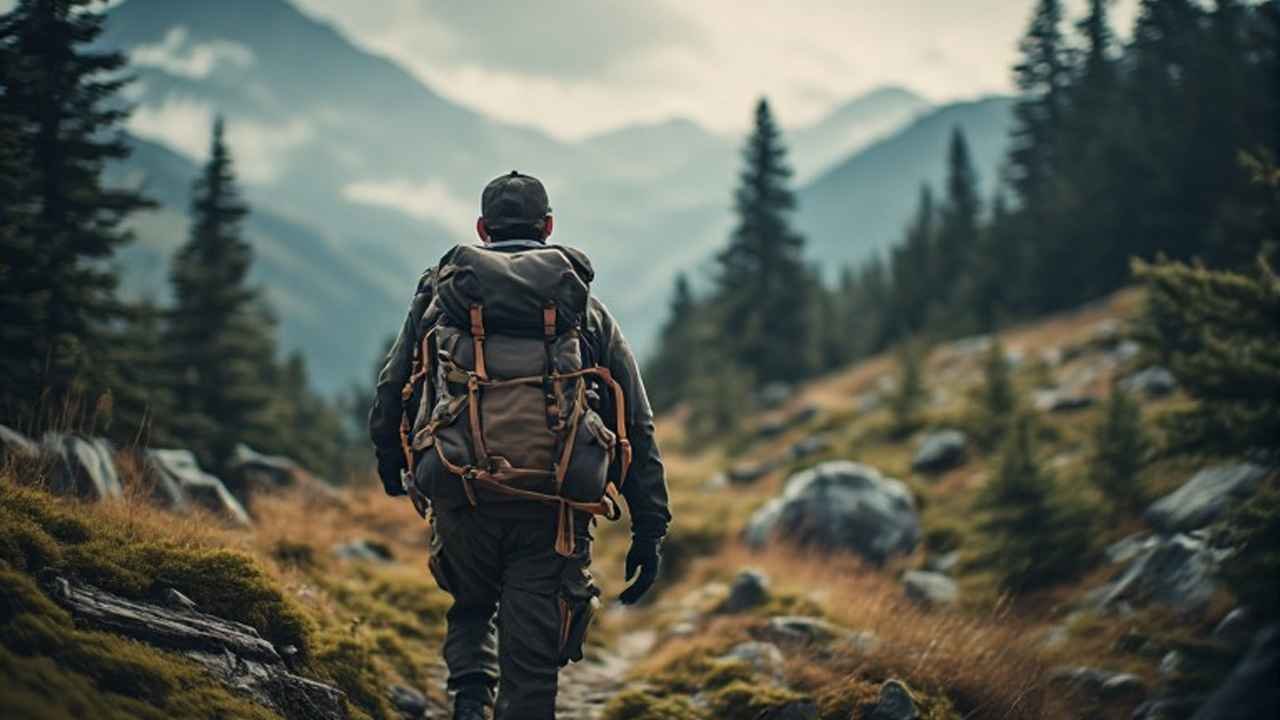
Best Hunting Packs for Backcountry Canada Hunts: Province-by-Province Fit Guide
Canadian backcountry hunters should choose a hunting pack sized between 4,000 and 7,000 cubic inches (≈65–115 L), built on an internal or external frame with a reinforced meat shelf, a wide load-bearing hipbelt, and quiet 500D Cordura fabric, then dial in torso and hipbelt length before season. A pack this size carries a multi-day camp load in, hauls 80–150 lb of boned-out meat out, and survives the wet cedar of British Columbia, the boreal blackflies of Manitoba, and the -40 °C glassing ridges of the Yukon. Pick right and your shoulders stay intact; pick wrong and you learn the hard way on the pack-out trail.
I’ve packed bull moose out of the Alberta foothills in sideways rain, humped caribou quarters through the Labrador tundra, and watched buddies’ frameless day packs buckle under a Saskatchewan whitetail buck in October. The pattern is consistent: fit and frame beat fabric hype every single time. Below is the full breakdown — capacity, suspension, climate-specific picks, and a province-by-territory fit table — built so you can choose once and use it for a decade.
Best Backcountry Hunting Packs in Canada
The best all-around backcountry hunting pack for most Canadian big-game trips is the Stone Glacier Sky 5900. It combines a 4,300-cubic-inch bivy mode, 5,900-cubic-inch expanded capacity, a 2,500-plus-cubic-inch load shelf and a frame rated for loads over 150 pounds.
For lighter deer hunts, the Mystery Ranch Metcalf 50 or Badlands Superday is more practical. For extended mountain or Arctic expeditions, consider the Stone Glacier Sky Archer 6400 or Sky Guide 7900. Field & Stream named the Sky Archer 6400 its best backcountry hunting pack in its 2026 testing.
Pack Recommendations by Jurisdiction
| Province or territory | Typical backcountry hunting profile | Best pack recommendation | Capacity and pack style | Why it fits |
|---|---|---|---|---|
| 🏔️ British Columbia | Sheep, mountain goat, elk, moose, caribou and bear in steep mountain terrain | Stone Glacier Sky Archer 6400 | Approximately 5,900 cubic inches, expandable with lid and load shelf | Excellent for steep, multi-day hunts requiring optics, climbing layers, shelter and meat-hauling capability. The side access is also useful for bowhunters. |
| 🦬 Alberta | Elk, moose, mule deer, whitetail deer and bear; mixed day and multi-day hunts | Mystery Ranch Metcalf 75 | Approximately 75 litres with a framed suspension | A versatile choice for Alberta because it balances day-hunt organization with enough room for overnight equipment, clothing and meat. The Metcalf 75 weighs approximately 5.3 pounds. |
| 🌾 Saskatchewan | Whitetail deer, black bear, moose and waterfowl; farm, forest and northern trips | Mystery Ranch Metcalf 50 | Approximately 3,050 cubic inches; framed pack | A practical all-purpose option for hunters who need one pack for whitetail hunts, bear hunts and occasional overnight trips. It weighs approximately 5 pounds and uses the Ultra Light MT frame. |
| 🌲 Manitoba | Whitetail deer, black bear, moose and mixed backcountry hunting | Mystery Ranch Metcalf 50 | Approximately 3,050 cubic inches; framed | Suitable for northern lodge trips, canoe-access areas and short overnight hunts where a full expedition pack would be unnecessary. |
| 🍁 Ontario | Fly-in moose and bear hunts, canoe trips, deer and small game | Mystery Ranch Metcalf 75 | Approximately 75 litres; framed and expandable | Ontario’s remote hunts may require extra clothing, food and camp equipment, making the 75-litre version more useful than a compact day pack. |
| ⚜️ Quebec | Moose, black bear and remote outfitter-based trips | Stone Glacier Sky 5900 | 4,300-cubic-inch bivy mode; up to 5,900 cubic inches with lid | A strong choice for remote Québec hunts where the pack may need to carry several days of equipment and a heavy meat load. |
| 🌊 New Brunswick | Whitetail deer, black bear and moose; mostly road-access or short backcountry hunts | Badlands Superday | Approximately 1,950 cubic inches; lightweight day pack | Best for hunters who usually return to a lodge or vehicle each evening and need a compact pack for water, clothing, optics and field accessories. |
| 🌲 Nova Scotia | Deer, black bear, upland birds and waterfowl | Badlands Superday | Approximately 1,950 cubic inches; lightweight day pack | Its compact size suits day hunts and short walks through forest or farmland. Use a larger framed pack if you expect to carry substantial meat. |
| 🌾 Prince Edward Island | Deer, waterfowl and small game on shorter excursions | Badlands Superday | Approximately 1,950 cubic inches; day-hunting design | A lightweight choice for day trips where the main load is clothing, water, calls, binoculars and personal gear rather than a full camp. |
| 🦌 Newfoundland and Labrador | Moose, woodland caribou and black bear in remote or lodge-access areas | Stone Glacier Sky 5900 | 5,900 cubic inches with lid and expandable meat shelf | Newfoundland’s remote hunts can require extra layers, camp equipment and meat-hauling capacity, making the Sky 5900 more suitable than a small day pack. |
| 🏔️ Yukon | Dall sheep, Stone sheep, moose, mountain caribou, goat and bear | Stone Glacier Sky Archer 6400 | Approximately 5,900 cubic inches, expandable to more than 6,300 cubic inches with lid | Designed for demanding mountain hunts where low weight, large capacity, spotting-scope access and heavy-load performance are important. |
| ❄️ Northwest Territories | Dall sheep, mountain caribou, moose, wolf and wolverine; fly-in mountain hunts | Stone Glacier Sky Guide 7900 | Approximately 120 litres; up to 129 litres with lid and 2,500-plus-cubic-inch load shelf | The best fit for long, remote hunts where food, cold-weather clothing, shelter and meat must be carried. It is more pack than most day hunters need. |
| 🧊 Nunavut | Caribou, muskox, polar bear and Arctic expedition hunts | Stone Glacier Sky Guide 7900 | Approximately 120 litres; expedition-size framed pack | Arctic hunts often involve bulky cold-weather equipment and limited resupply. The large capacity and 150-plus-pound load rating provide useful room for extended trips and meat hauling. |
Pack Size Guide
| Hunt type | Recommended capacity | Suitable pack style |
|---|---|---|
| 🦌 Day hunt or treestand hunt | 25–40 litres | Lightweight day pack |
| 🏹 Day hunt with possible deer recovery | 35–50 litres | Day pack with meat shelf or frame |
| 🏕️ One- to three-night hunt | 45–65 litres | Framed hunting pack |
| 🏔️ Mountain sheep, goat or caribou hunt | 55–75 litres | Lightweight expedition pack |
| 🦬 Moose, elk or extended backcountry hunt | 65–90 litres | Heavy-load meat hauler |
| ❄️ Fly-in Arctic or multi-week expedition | 90–120 litres | Large expedition pack with load shelf |
What to Check Before Buying
- 🎒 Measure your torso and waist before selecting the frame and belt size.
- ⚖️ Compare the pack’s empty weight with its realistic load capacity.
- 🥩 Choose a frame with a proper meat shelf if you may pack out elk, moose, caribou or bear.
- 💧 Confirm hydration compatibility and space for at least a two- or three-litre reservoir.
- 🔫 Check whether the pack supports rifle, bow or tripod carry in the position you prefer.
- 🌧️ Look for durable fabric, protected zippers, rain protection and quiet exterior materials.
- 🛩️ Confirm the packed dimensions and weight limits for floatplanes, helicopters and bush flights.
- 🧪 Load-test the pack with 30–50 pounds before the hunt rather than trying it only when empty.
- 🛒 Verify Canadian stock, warranty handling, exchange rates, shipping fees and import charges. Canadian retailers list Stone Glacier and Mystery Ranch hunting packs, including Sky and Metcalf models.
For most hunters, the practical choice is a Metcalf 50 for shorter hunts, a Metcalf 75 for mixed multi-day use, and a Sky 5900 or Sky Guide 7900 for serious meat-hauling and remote expeditions.
Why the Right Hunting Backpack Matters More in Canada
Canadian backcountry terrain is unusually punishing. Hunts often run 5–10 days, the weather flips inside a single afternoon, and the pack-out frequently doubles the weight you carried in. A bull moose produces 200+ lb of boned meat; a Rocky Mountain bull elk can hit 180 lb; even a Yukon caribou averages 100–120 lb of quarters. Eating those miles on a poorly fitted pack ends hunts early.
Three features separate the Canadian-specific pack from the generic “Western” model:
- A reinforced meat shelf or Overload-style system that lets you strap quarters between the frame and bag without rebalancing.
- Cold-tolerant fabric and hardware because sub-zero packs shatter standard plastic buckles.
- A wider, contoured hipbelt sized in centimetres to clamp over layered clothing.
Pack Capacity by Hunt Type (Quick-Reference Table)
| Hunt Type | Recommended Volume (cu in / L) | Trip Length | Typical Load In | Pack-Out Load | Example Use Case |
|---|---|---|---|---|---|
| Day hunt — glassing & stalking | 1,800–2,800 cu in / 30–45 L | 1 day | 10–15 lb | Meat only if successful | Alberta early-season whitetail, Saskatchewan pheasant opener |
| Cold-weather day hunt | 2,800–3,500 cu in / 45–55 L | 1 day | 15–25 lb | Up to 40 lb meat | Manitoba November deer, Ontario late muzzleloader |
| Overnight backpack hunt | 3,500–4,500 cu in / 55–75 L | 2 days | 30–45 lb | 50–70 lb meat | British Columbia mule deer spike, Quebec moose spot-and-stalk |
| Multi-day expedition | 5,000–6,500 cu in / 80–105 L | 4–7 days | 50–70 lb | 80–120 lb meat | Yukon caribou, Alberta Rocky bighorn sheep |
| Remote meat-haul trip | 6,500–8,000 cu in / 105–130 L | 7–10+ days | 70–90 lb | 100–150 lb meat | Nunavut outpost, Northwest Territories bison draw |
Rule of thumb: if you plan to pack out anything heavier than a deer, step up one volume tier. The extra capacity is almost always eaten by meat, not gear.
Best Pack Picks by Capacity Class
These models perform consistently across Canadian conditions and represent the strongest options in each size bracket. Specifications are typical manufacturer ranges; verify pricing on the maker’s site before purchase.
| Pack Model | Capacity (cu in / L) | Empty Weight | Frame Style | Standout Feature | Best Canadian Application |
|---|---|---|---|---|---|
| Mystery Ranch Metcalf 75 | 4,335–4,575 cu in / ~75 L | ~6 lb | External (Guide Lite MT) | Overload meat shelf between frame and bag | Alberta elk, BC mule deer |
| Stone Glacier Sky 5900 (XCurve frame) | ~5,400 cu in / ~90 L | ~5.4 lb | Internal carbon composite | 150 lb+ load rating | Yukon caribou, Rocky bighorn sheep |
| ALPS OutdoorZ Elite 3800 + Frame | ~3,800 cu in / ~62 L | ~5.8 lb | External | Frame-only meat-haul mode | Saskatchewan whitetail, Manitoba black bear |
| Badlands Vario 50 OS V3 | ~5,000 cu in / ~82 L | ~8 lb | External magnesium alloy | Built-in molded meat shelf | Ontario moose, Quebec caribou |
| Exo Mtn Gear K4 3600 | 3,600 cu in / ~59 L | ~4.2 lb | Carbon/Kevlar hybrid internal frame | Ultralight expedition performance | Newfoundland woodland caribou, Labrador tundra |
| Kifaru Absaroka (bag + frame bundle) | 4,500+ cu in varies | ~5–7 lb | Internal dual-stay | Load-shelf versatility | Diverse big game across provinces |
| Sitka Mountain Hauler 4000 | ~4,000 cu in / ~66 L | ~4.5 lb | Internal | Quiet Optifade Subalpine fabric | British Columbia still-hunting, Alberta early-season elk |
| Mystery Ranch Pop-Up 30 | 1,830 cu in / ~30 L | ~3.2 lb | Strap-on load shelf | Day pack that transforms into a meat hauler | Sheep spike camps, day glassing |
Pair any of the above with a layered hipbelt pouch system; small zip pouches on the belt keep a rangefinder, knife, and snacks accessible without rotating the pack.
Fit, Frame & Feature Matrix
A pack can carry the right volume and still ruin your hunt if the fit is wrong. Match these elements to your body and your climate.
| Feature | What to Look For | Why It Matters in Canada | Typical Spec/Range |
|---|---|---|---|
| Torso length | Adjustable yoke or interchangeable panels | Allows shared pack between hunting partners; fits over warm layers | 15″–21″ adjustable on most premium packs |
| Hipbelt size | S, M, L waist options; reverse-cinch design | Locks onto iliac crest; prevents load shift on wet terrain | 28″–46″ waist range |
| Frame type | Internal carbon stays vs. external aluminum/magnesium | Internal = lighter, quieter (BC still-hunts); external = cooler, heavier loads | Internal for <80 lb loads, external for 100+ lb packouts |
| Load lifters | Top-of-shoulder straps that pull frame upward | Lifts weight off trapezius onto lumbar pad | 1″ webbing, 3–5″ of travel |
| Meat shelf / Overload | Detachable shelf between bag and frame | Lets you add meat without repacking gear | 8″x16″ minimum, larger for caribou quarters |
| Fabric | 500D Cordura, X-Pac, or Hypalon reinforcements | Resists alder slash, scree abrasion, and wet snow rot | 500D is the modern baseline |
| Buckles | Metal or cold-rated polymer | Standard plastic cracks below -25 °C | ITW Nexus or Duraflex Alpine |
| Hydration sleeve | Internal 3 L reservoir pocket | Keeps water accessible on glassing ridges | Holds 2–3 L bladders |
| Rifle/bow carry | Side compression or dedicated boot | Hands-free travel on steep ascents | Compression-boot system is most stable |
| Ventilation | Mesh back panel or trampoline channel | Reduces sweat buildup during 10-mile approaches | Mesh performs best in dry climates |
Province & Territory Pack Recommendations
Canadian hunting isn’t one region. Match your pack to the dominant terrain and species in your jurisdiction so the suspension carries real-world weight, not just spec-sheet weight.
| Province / Territory | Common Backcountry Terrain | Primary Big Game | Recommended Pack Class | Special Note |
|---|---|---|---|---|
| Alberta | Rocky Mountain foothills, boreal forest | Elk, moose, mule deer, black bear | 5,000–6,500 cu in multi-day; frame pack | Elevation changes within a single hunt; a stiff external frame handles the heavier elk quarters — check Alberta hunting seasons before booking dates |
| British Columbia | Coastal rainforest, interior cedar-helmock, alpine | Mule deer, black bear, moose, mountain goat | 4,000–6,000 cu in; quiet fabric, internal frame preferred | Wet conditions punish noise and rust; pair a quiet pack with detailed BC hunting season planning |
| Manitoba | Boreal shield, farmland edge | Whitetail deer, black bear, moose | 3,500–5,500 cu in; solid meat shelf | Heavy early-season bugs make mesh-back panels uncomfortable |
| New Brunswick | Mixed Acadian forest | Moose, whitetail deer, black bear | 4,500–6,000 cu in; modular internal frame | Tight forest means low-profile packs without bag-toppers |
| Newfoundland and Labrador | Rugged tundra, barren interior | Woodland caribou, moose, black bear | 5,000–7,000 cu in; reinforced bottom panel | Coastal storms soak gear; packcloth choice matters as much as capacity |
| Nova Scotia | Mixed wood, gentle relief | Whitetail deer, moose (limited) | 3,500–5,000 cu in; quiet fabric | Sound discipline is everything in dense deer cover |
| Ontario | Boreal north, hardwood south | Moose, whitetail deer, black bear | 4,500–6,500 cu in; external frame for moose | Wide temperature swings from September to December — verify Ontario hunting timing |
| Prince Edward Island | Softwood flat, light relief | Whitetail deer | 3,500–4,500 cu in | Smaller bag works; choose a quiet fabric |
| Quebec | Laurentian boreal, Ungava tundra | Moose, caribou, black bear | 5,000–7,000 cu in; internal frame for caribou weight | French-language regulations; carry a translator card for outfitter contracts |
| Saskatchewan | Aspen parkland, northern shield | Whitetail deer, moose, black bear | 4,000–6,000 cu in; ventilated back panel | Wide-open landscape rewards a stable glassing load |
| Northwest Territories | Taiga, tundra, river breaks | Bison, moose, black bear, wolf | 6,500–8,000 cu in; heavy external frame for bison | Float-plane drop hunts demand a frame pack built for repeated wet loads |
| Nunavut | Arctic tundra, fiord coast | Caribou, muskox, polar bear (guided) | 6,500–8,000 cu in; cold-rated buckles | -40 °C trips require cold-rated hardware and a backup buckle kit |
| Yukon | Sub-arctic alpine, boreal | Moose, caribou, mountain goat, Dall sheep | 5,500–7,500 cu in; internal frame for glassing | Sheep and goat hunts combine steep terrain with quartered meat; consult Yukon hunting seasons well in advance |
If you’re planning around caribou specifically, the bonus framework of a non-resident caribou hunting guide helps shape your pack list. And if your gear choice extends beyond packs, refresh the rest of your kit using a Canada-by-climate gear roundup to ensure layering matches the pack system.
Cold-Weather & Meat-Hauling Checklist
Use this two-list format to build your pack configuration before each trip.
Cold-Weather Pack Prep List
- Pack all buckles and tensioners — replace any plastic that cracks under finger pressure when flexed at -20 °C.
- Load the pack with 30 lb and walk one kilometre; the hipbelt should sit flush with no gap above the iliac crest.
- Strap 80 lb of sandbags, then walk 200 m down a grade; if your shoulders lift, lengthen the torso or shorten the load lifters.
- Wet the pack with a hose and inspect seams; taped seams beat stitched seams in British Columbia and the Maritimes.
- Stash a backup belt buckle and two spare compression straps inside the lid pocket; field repairs happen on day three.
Meat-Pack-Out Load List
- Bone out heavy animals in the field — quartered moose weighs roughly 60% of intact weight.
- Place meat in breathable game bags, not plastic; the latter accelerates spoilage in September warmth.
- Cinch the Overload shelf first; the bag rides on top and compresses around it.
- Add 1,000 cu in of bag compression for every 25 lb of additional load.
- Plan two trips for any moose- or bison-sized animal; trying to single-trip a bull risks injury and gear failure.
Common Mistakes Canadian Hunters Make
- Buying by brand name, not fit. A pack that doesn’t match your torso length causes shoulder pain even at 30 lb.
- Underestimating pack-out weight. Many hunters carry a 4,500 cu in bag into a 5,000 cu in meat haul scenario.
- Ignoring hipbelt size. If the belt rides above your hips, the lumbar pad does no work.
- Choosing ultralight for big game. Frameless packs save weight on day hikes and fail spectacularly on meat hauls.
- Skipping a wet test. A pack that feels dry in the store can soak through a Vancouver coastal rain in 20 minutes.
Frequently Asked Questions
What size hunting pack do I need for a 7-day moose hunt in Canada?
Plan for 6,500 to 8,000 cubic inches (~105–130 L) on a frame pack. That volume covers your tent, sleep system, food, layered clothing, plus 100–150 lb of boned moose quarters on the way out. Anything smaller forces multiple compressor bags strapped to the outside, which on uneven terrain throws off balance and tears fabric.
Are internal-frame or external-frame hunting packs better for Canadian terrain?
Internal frames win on quiet approach and glassing-heavy hunts; they’re lighter, ride closer to the body, and don’t clang in the bush. External frames win on heavy pack-outs (moose, bison, caribou) because you can strap meat on the outside between frame and bag without unbalancing the load. Many Canadian guides carry both and switch packs between year.
How do I fit a hunting pack properly?
The hipbelt should clamp onto your iliac crest (the top of the hip bone), not slide down onto your waist. The lumbar pad fills the small of your back. Load lifters angle down from the top of the shoulder straps at about 30°, pulling the frame’s top toward you. Once a 30 lb load settles without shoulder weight, the fit is right.
What is the best pack for cold-weather Canadian hunting?
Look for 500D+ Cordura or X-Pac fabric, cold-rated buckles, and a reinforced bottom panel that resists snow and crampon puncture. Capacity between 4,500 and 6,500 cu in handles most multi-day trips. More important than any specific brand is fit — a poorly fitted premium pack performs worse than a well-fitted mid-tier option.
Can one hunting pack work for both day trips and multi-day hunts?
Yes — if you choose a 5,000–6,000 cu in frame pack with excellent compression straps. Cinch it down for day stalks; release it for multi-day camouflage setups and meat hauls. If your budget allows, run a 30–45 L day pack alongside the expedition pack, which gives you flexibility across provinces.
How much should a quality Canadian hunting pack cost?
Most serious frame packs land in the $400–$700 CAD range, with full system-and-frame bundles (especially for caribou or moose) reaching $900–$1,200 CAD. Treat the pack as a long-term investment: many hunters run the same frame for 10–15 seasons. Cheaper packs tend to fail under meat-haul weight, especially at strap stitching points.
Final Word
The pack you choose shapes every kilometre of a Canadian backcountry hunt. Match volume to the longest trip on your calendar (not the shortest), fit the hipbelt to your pelvis, and confirm the frame is rated for at least 100 lb of meat. Buy once. Train with weight. You’ll thank yourself on the second trip.
- Canada Hunting Youth Regulations 2026–2027: Age Requirements, Licences & Hunter Rules by Province - October 10, 2026
- Where to Hunt in Canada: Provinces, Species & Planning Guide - October 10, 2026
- Hunting Tags in Canada: Validation, Attachment and Transport Rules Every Hunter Must Know - October 5, 2026